









Spur Gears
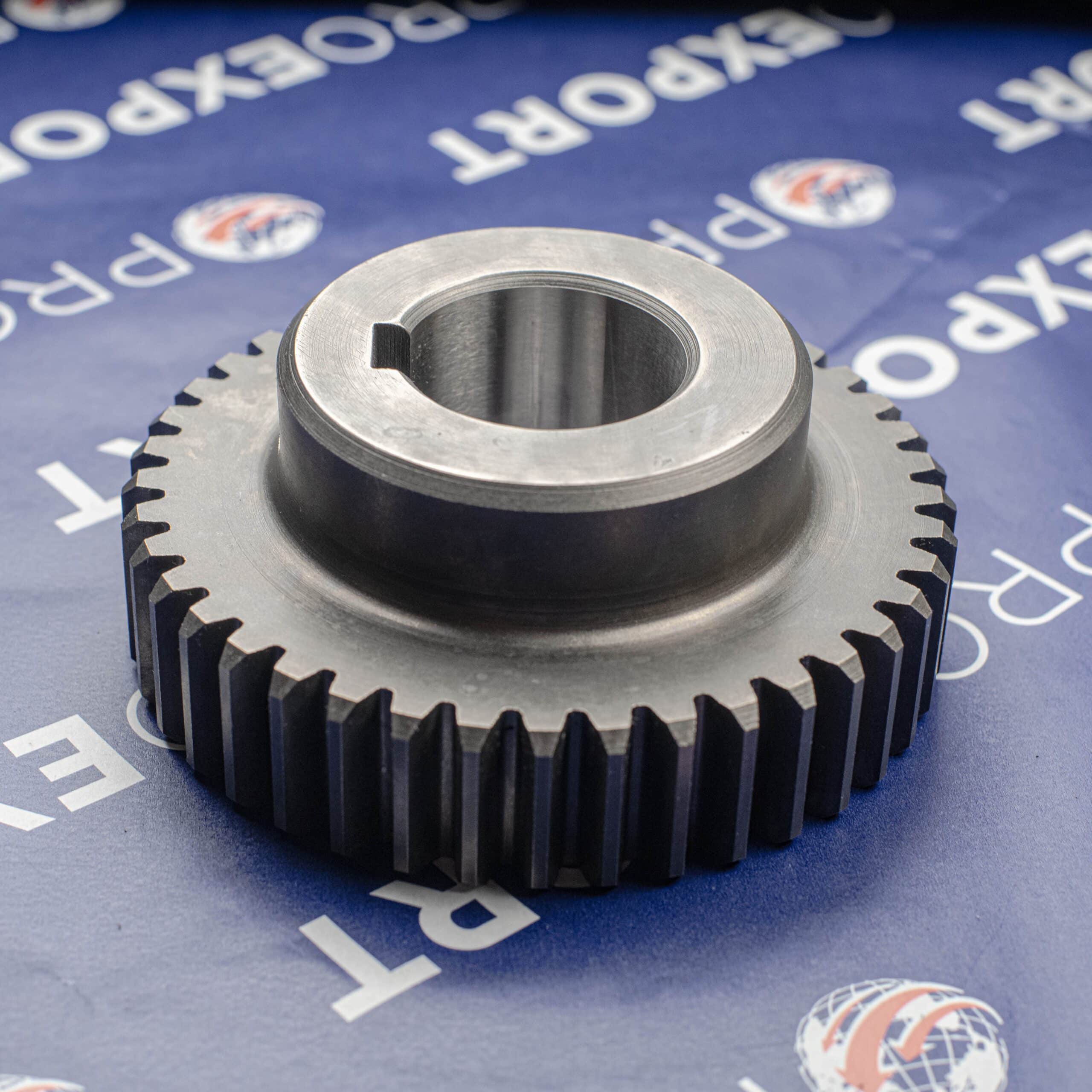
Classic spur gears used in industrial gear units, machinery and production equipment.
We manufacture individual gears and short production runs for industry, maintenance teams and machine builders. We work from technical documentation or reconstruct the geometry from a supplied component.
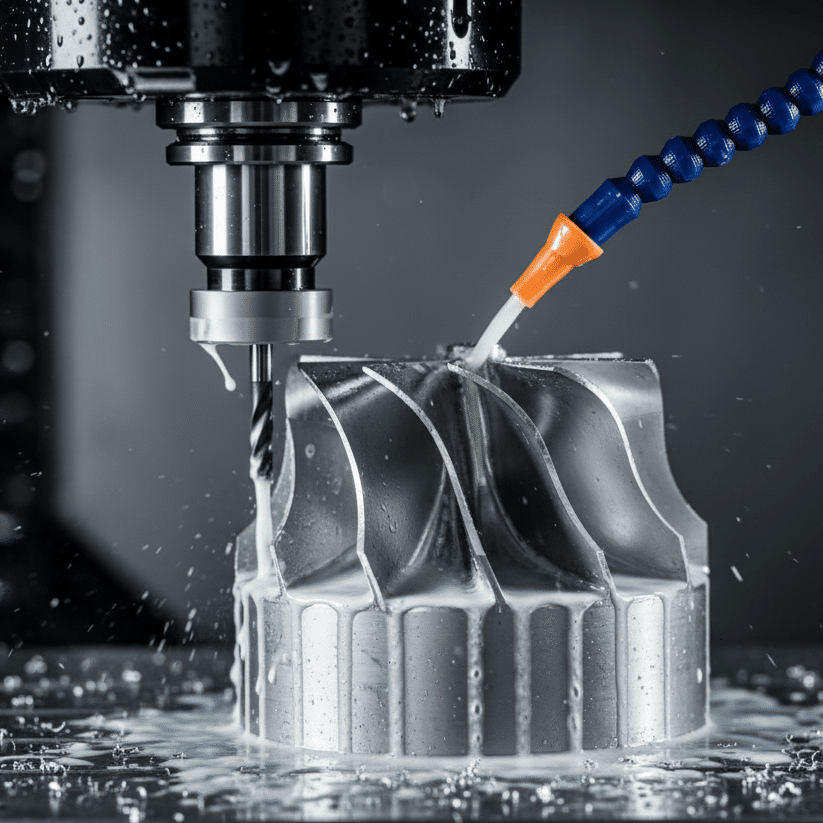
We define the scope of work based on the documentation, supplied component and the gear unit's operating conditions. Each stage leads to a gear matched to the specific machine.
We receive a drawing, 3D model or worn gear together with basic application information.
We verify the gear teeth, diameters, bore, hub, mounting method and mating components.
The material, heat treatment, and accuracy are determined based on the load and operating conditions of the gear.
We machine the gear body, bore, hub, keyways and gear teeth according to the selected process.
If required by the design, the scope may include heat treatment, grinding or other agreed finishing operations.
The finished component is inspected against the parameters specified for the particular order.
We manufacture components from technical documentation, a model or a supplied sample. The scope is defined based on geometry, operating conditions and the requirements of the specific machine.
Classic spur gears used in industrial gear units, machinery and production equipment.
Used where smoother meshing and load transfer are required.
Gears designed to transmit power between shafts whose axes intersect at a specified angle.
Worm wheels designed to mesh with a worm in drives requiring high reduction ratios and a compact design.
Ring gears for industrial machines and assemblies, including components reproduced from a worn sample.
Toothed components for systems that convert rotary motion into linear motion in machinery and industrial systems.
If complete documentation is unavailable, an existing gear, photographs, basic dimensions and information about the mating component and gear-unit operating conditions can be used as the starting point.
Component parameters are defined based on gear-unit geometry, load, mounting method and operating conditions.
| Parameter | Scope |
|---|---|
| Gear type | Cylindrical spur and helical gears, bevel gears, worm wheels, ring gears and gear racks. |
| Module and Geometry | According to technical documentation or based on measurements that can be taken from the supplied sample. |
| Component Dimensions | Determined individually: diameter, width, bore, hub and other design features. |
| Accuracy class | Selected for the application, gear-unit geometry and the requirements specified in the technical documentation. |
| Steel Materials | Structural steels, alloy steels for quenching and tempering and carburizing, and stainless steels. |
| Other materials | Cast irons, bronzes, brasses and engineering plastics, including PA, POM and PEEK — subject to application review. |
| Heat treatment | Through hardening or induction hardening, quenching and tempering, carburizing and nitriding. |
| Finishing work | Gear-tooth and bore grinding, plus keyway machining if required by the documentation. |
Material, heat treatment, accuracy and finishing method depend on the geometry and intended use of the specific gear.
We do not select the material and manufacturing process based solely on gear dimensions. The entire drive system matters.
We consider the load level, its variability and the way power is transmitted through the mechanism.
Gear-unit speed affects the requirements for manufacturing accuracy, material and gear-tooth finishing.
Temperature, moisture, lubrication and contact with process media affect material selection.
We analyze the geometry and condition of mating components because the new gear must operate correctly in the existing system.
There is no single universal material for a gear. Design, material and processing are selected for the load, required durability and the gear unit's operating conditions.
Materials for typical machine components, selected for the required strength and operating conditions.
Used where higher mechanical properties and further heat treatment are required.
Selected, among other applications, for worm gear drives, non-standard operating conditions or specific design requirements.
Through hardening or induction hardening is used when greater surface resistance and gear-tooth durability are required.
Processes are selected for the steel grade, loads and required mechanical properties of the component.
Depending on the documentation, precision finishing of gear teeth, bores and datum surfaces may be included.
Selecting a stronger steel alone does not always improve gear-unit durability. Gear-tooth geometry, heat treatment, manufacturing accuracy and the mating component also matter.
We can start from either complete technical documentation or a supplied component that needs to be reproduced.
Manufacturing begins with analysis of the drawing, model or data defining the geometry and requirements for the new component.
The supplied component can be used as the starting point for measurements, geometry identification and preparation of a new gear.
Send information about the gear, its application and the problem. Based on this, we can determine what additional data is needed.
Rotate the model, zoom in and select one of the active points. The model will automatically move to the corresponding view and highlight the selected design feature.
A new gear does not have to be a standard catalogue item. We can reproduce a part operating in an existing machine or manufacture a component to a new design.
A replacement can be manufactured for an older machine even when the original part is no longer available from the manufacturer.
The gear can be matched to the shaft, housing, mating component and the available space in the machine.
Selection is not limited to reproducing dimensions. We also consider the load, operating mode and gear-unit requirements.
A single component can be manufactured for maintenance, or a larger number of parts can be produced from the same documentation.
If the existing gear can be measured or documentation is available, a new component can be prepared to match the current drive system.
We manufacture gears both as replacement parts for existing machines and as new components for gear units being designed or modernized.
Reproduction of worn or unavailable gears to restore operation of existing equipment.
Manufacture of components from design documentation for new machines, equipment and drive assemblies.
Manufacture of a gear with modified geometry, material or mounting method as part of a machine modernization.
Manufacture of individual components and short production runs when a standard catalogue product does not meet the project requirements.
To assess manufacturing feasibility, we primarily need information about geometry, load, speed, mounting method and the operating conditions of the specific mechanism.
Key information before sending documentation, a sample or an inquiry about custom gear manufacturing.
Yes. A supplied gear can be the starting point. Based on it, we analyze the geometry that can be reconstructed, dimensions, mounting method and mating components.
We manufacture, among other types, spur and helical gears, bevel gears, worm wheels, ring gears and gear racks.
Yes. We manufacture both single components for maintenance and machine repairs, as well as short production runs from the same documentation.
A drawing or 3D model is best. If no documentation is available, photographs, diameter, width, number of teeth, bore diameter, required quantity and application information are helpful.
Material is selected for the design and operating conditions. Structural and alloy steels, stainless steels, bronzes and selected engineering plastics may be used.
Yes, if required by the application. The process may include hardening, quenching and tempering, carburizing or nitriding, depending on the material and required properties.
Not always. Severe wear or damage may make it impossible to determine some of the original parameters directly. In such cases, analysis of the entire mechanism and mating components can help.
Explore technologies and services that can complement gear manufacturing, gear-body preparation or machining of other mechanism components.
Service
Service
Service
Product
Product
Send a drawing, 3D model or photographs together with the basic dimensions of the worn gear. Based on this, we can begin a manufacturing-feasibility review and determine what additional data is needed.