









Machining for Industry

CNC Turning Services Based on Technical Documentation

We manufacture turned parts in metals and engineering plastics from a technical drawing, 3D model or supplied sample. We agree the machining and inspection scope before quoting.
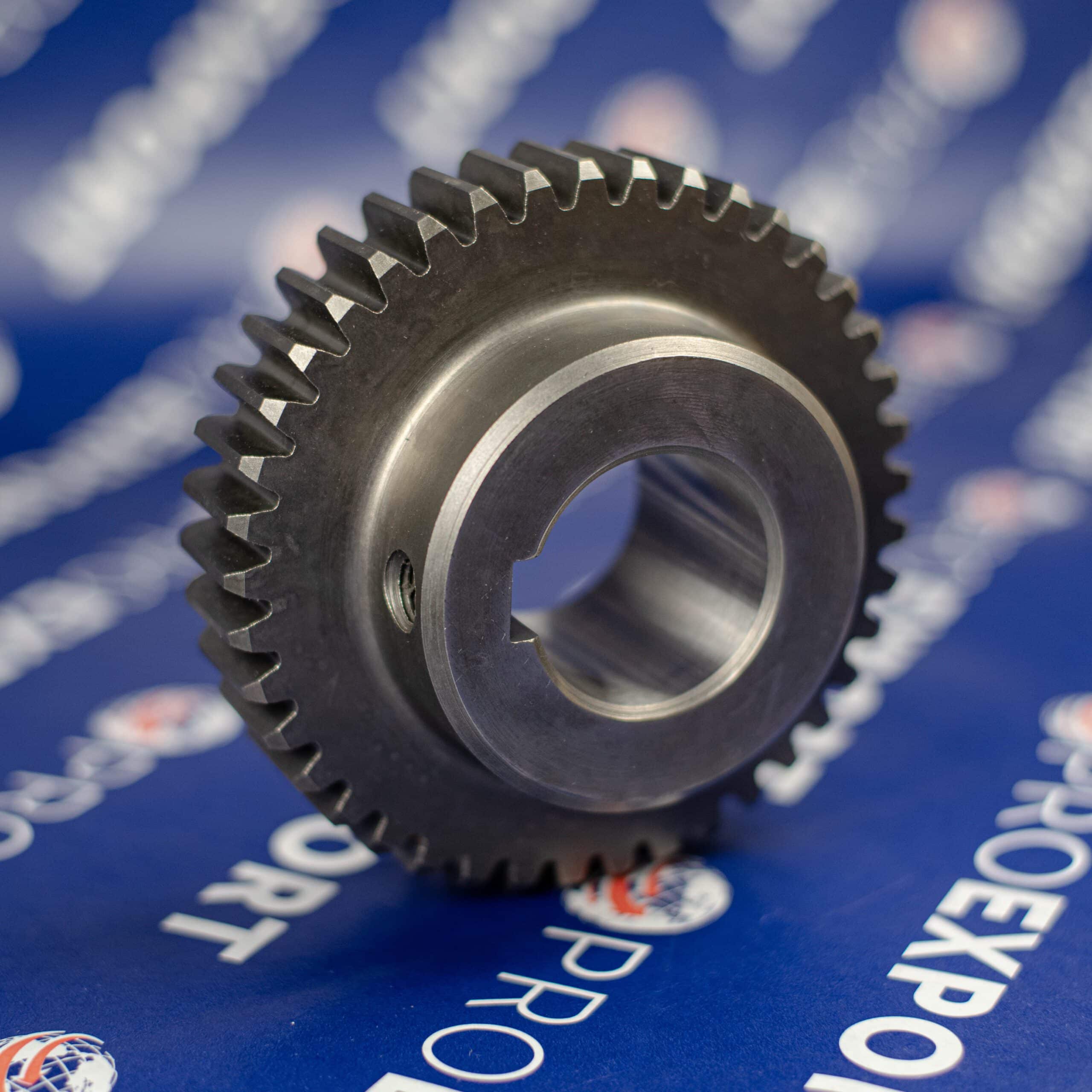
We manufacture turned parts in metals and engineering plastics from a technical drawing, 3D model or supplied sample. We agree the machining and inspection scope before quoting.

Technical Data

CNC Turning Capabilities

Domenul de execuție se stabilește pe baza geometriei, a materialului, a documentației și a cerințelor privind piesa finită.

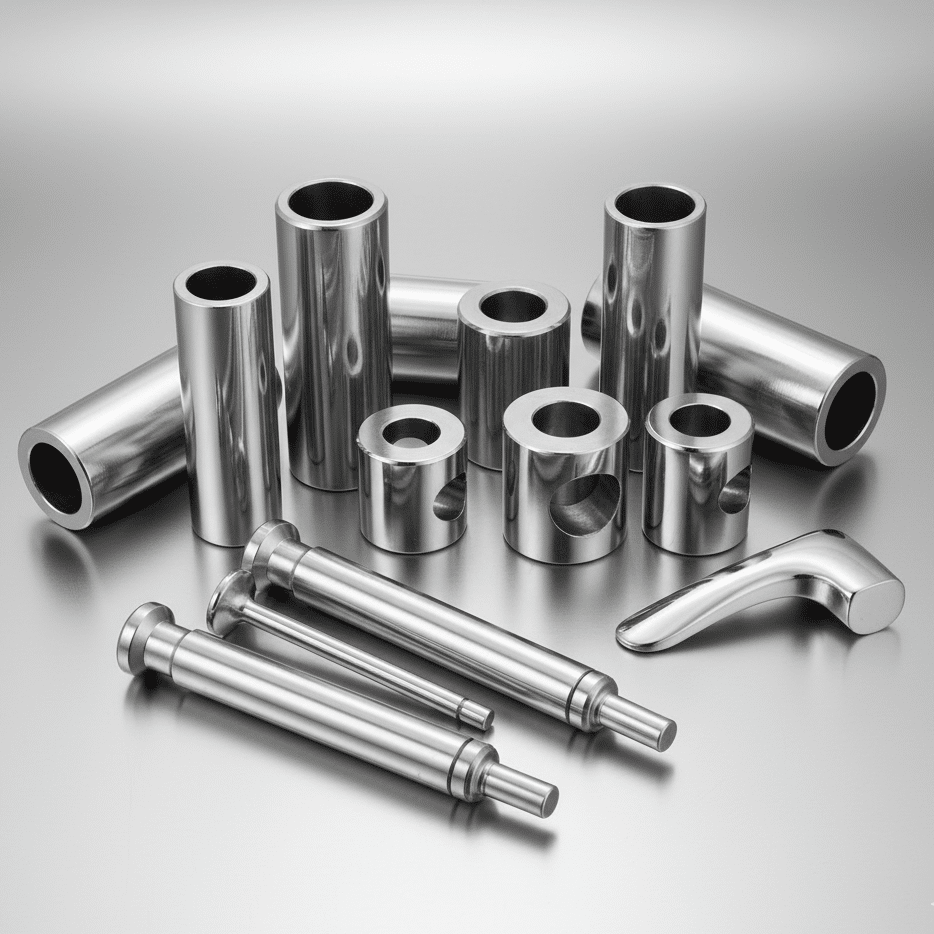
Types of Parts Shafts, axles, bushings, rings, flanges and other rotational components.
Production Mode One-off parts, prototypes, short runs and repeat production batches.
Input Data 2D drawing, 3D model, basic dimensions, photos or a sample part.
Materials Steels, non-ferrous metals and engineering plastics.
Turning Operations External and internal turning, facing, grooving, threading and hole machining.
Tolerances and Requirements Assessed individually based on the technical documentation and the part's critical features.
Inspection Dimensional inspection and verification of agreed critical features. An inspection report is available by prior agreement.
Additional Operations Milling, heat treatment, surface finishing, coatings or assembly — subject to technical confirmation.
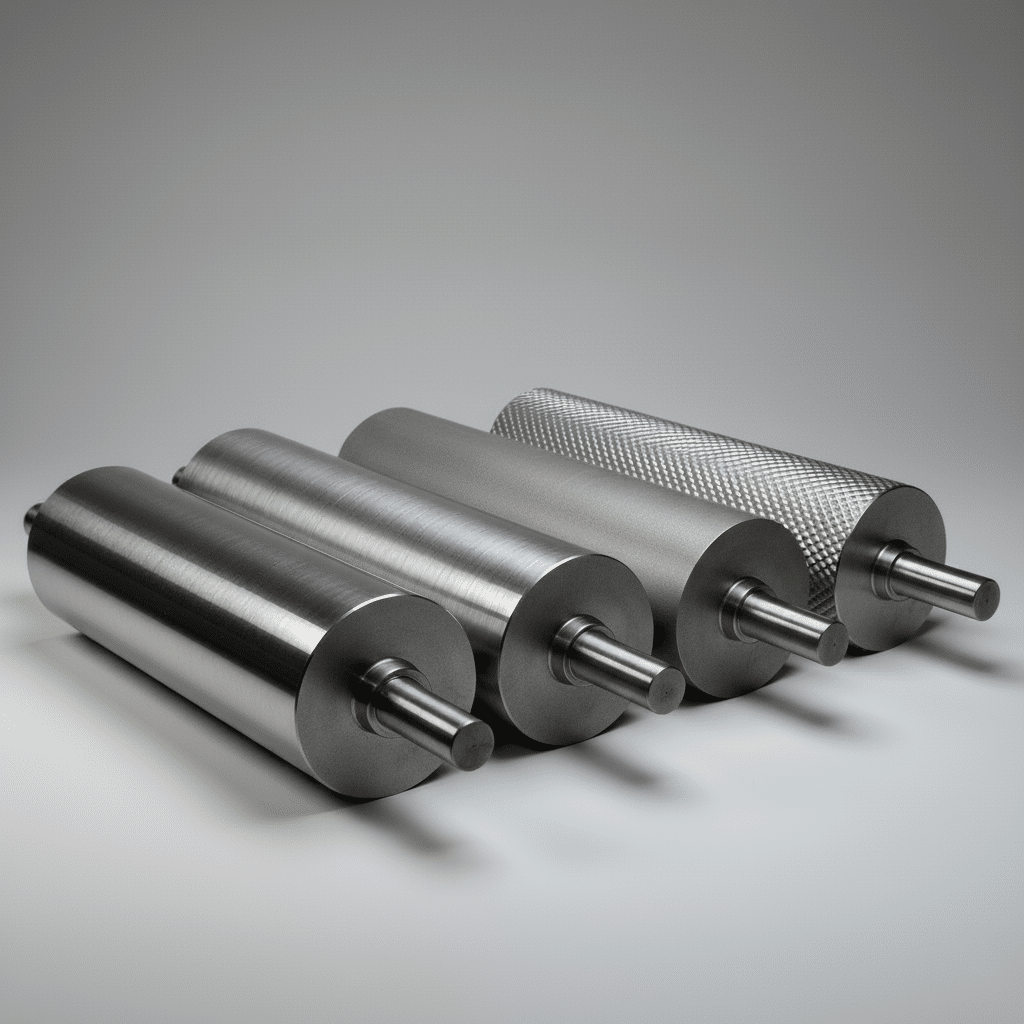
Industrial part machined using CNC turning

APPLICATIONS

Turned Parts for Industrial Machinery and Equipment

We use turning both to manufacture new parts and to reproduce components needed for machine maintenance or upgrades.

  • Machine Building - shafts, axles, bushings, rings and rotational components.
  • Production lines - parts manufactured to the equipment documentation.
  • Maintenance - reproduction of worn or hard-to-source components.
  • Prototypes and Production Runs - one-off parts and repeat production batches.

Technology Selection

What Machining Does Your Part Require?

The process scope depends on the part geometry, available documentation, and the surfaces and features that must be produced.

CNC Turning Only

For parts whose geometry is based mainly on rotational features: diameters, shoulders, holes, grooves and threads.

Turning + Milling

When, in addition to rotational surfaces, the part requires flats, keyways, off-centre holes or other features produced in subsequent operations.

Reproducing a Part from a Sample

If a complete drawing is unavailable, the starting point can be a supplied sample part, its dimensions and the requirements for how it interfaces with other machine components.

Manufacturing Process

From Documentation to the Finished Part

Every order starts with an analysis of the part and its requirements and ends with inspection of the agreed parameters.

01

Documentation

We receive a drawing, 3D model, basic dimensions or a sample part to be reproduced.

02

TECHNICAL ASSESSMENT

We analyse the geometry, material, tolerances and operations required to manufacture the complete part.

03

Machining

We perform the agreed turning operations and, where required by the part, subsequent machining stages.

04

Inspection

We inspect the agreed dimensions and critical features before releasing the finished part.

Quality Control

Final Inspection Before Completion

We define the measurement scope from the documentation and the features that are important to the function of the finished component.

  • Diameters and Lengths - verification of the agreed part dimensions.
  • Geometry - verification of critical surfaces and the relative position of features.
  • Functional Surfaces - inspection of areas that interface with other machine components.
  • Compliance with Documentation - comparison of the finished part against the agreed requirements.
  • Inspection Report - available if the inspection scope is agreed in advance.
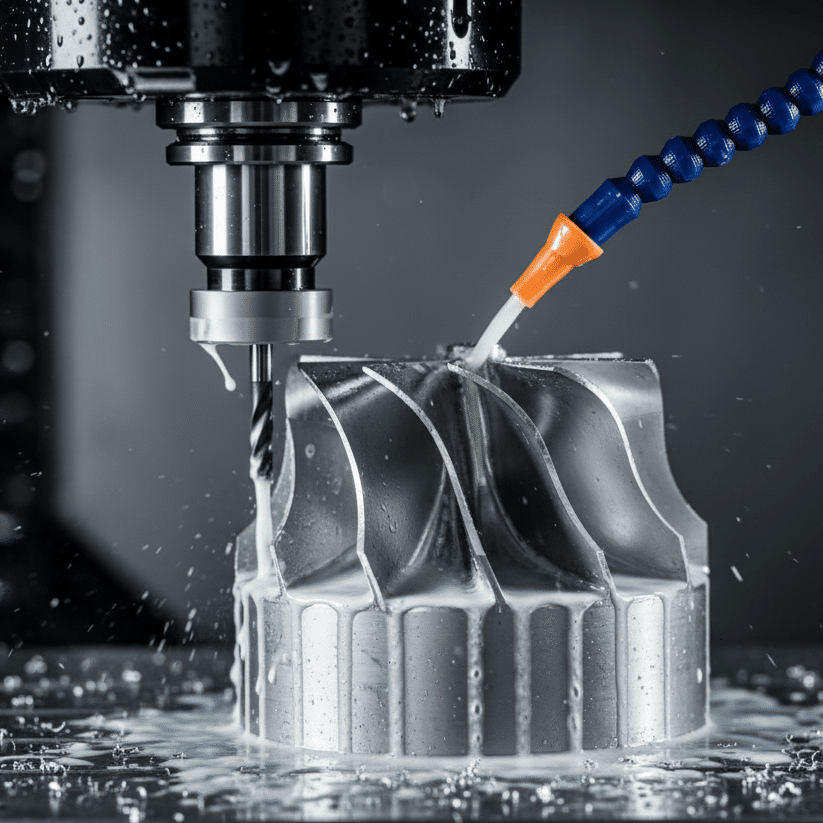
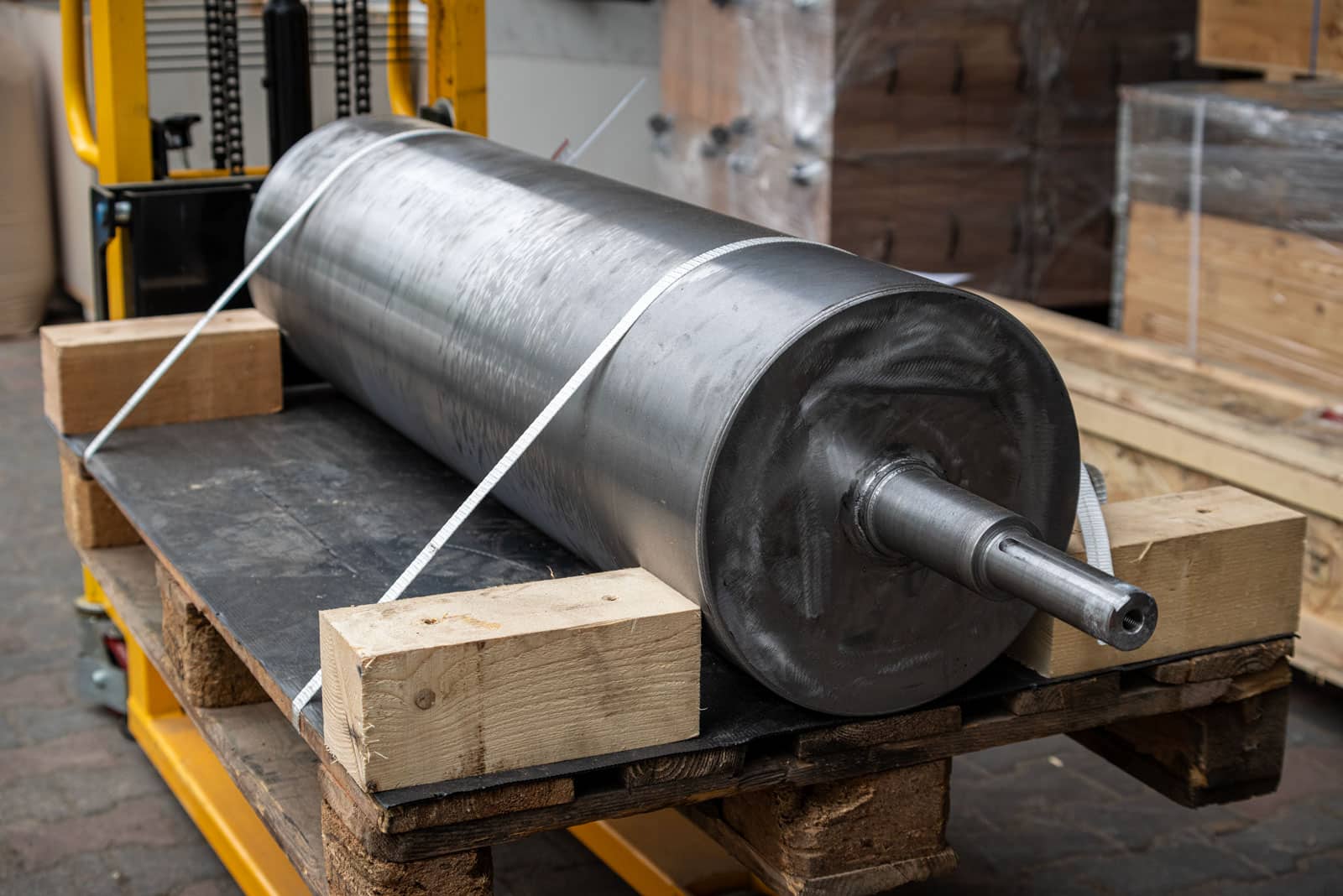
Dimensional inspection of a component after CNC turning

FAQ

Frequently Asked Questions About CNC Turning

Key information to prepare before sending an inquiry and starting the technical assessment of your part.

What Information Is Needed for a CNC Turning Quote?
Ideally, send a technical drawing or 3D model together with the material, quantity, and requirements for tolerances and functional surfaces.
Can You Manufacture a Part Without Complete Documentation?
Yes. An existing sample part, photos and basic dimensions can be used as a starting point. We assess the feasibility of reproducing the part individually.
Do You Produce One-Off Parts?
Yes. We can manufacture one-off parts, prototypes, short runs and repeat production batches.
What Materials Can You Turn?
We machine steels, selected non-ferrous metals and engineering plastics. The exact scope depends on the material grade and part requirements.
Can CNC Turning Be Combined with Milling?
Yes. If the part requires flats, grooves, off-centre holes or other features that cannot be produced by turning alone, the process can also include milling.
Do You Inspect the Finished Part?
Yes. We define the inspection scope based on the documentation and critical features. An inspection report can also be provided if agreed in advance.
Can Additional Operations Be Performed After Turning?
Depending on the project, the part may require subsequent stages such as milling, heat treatment, surface finishing or other agreed manufacturing operations.
Can I Send a Part for Assessment?
Yes. For a part without complete documentation, we can start by analysing the supplied sample and information about its application.

Related Services and Products

Related Options for Your Application

See technologies and products that can complement part manufacture or form the next stage of machining.

Technical Inquiry

Do You Have a Drawing, 3D Model or Sample Part?

Send the materials for a preliminary review. Based on them, we will assess the turning scope, required operations and inspection requirements.

  • a technical drawing or 3D model,
  • material and quantity,
  • required tolerances and functional surfaces,
  • or photos and basic dimensions of the sample part.