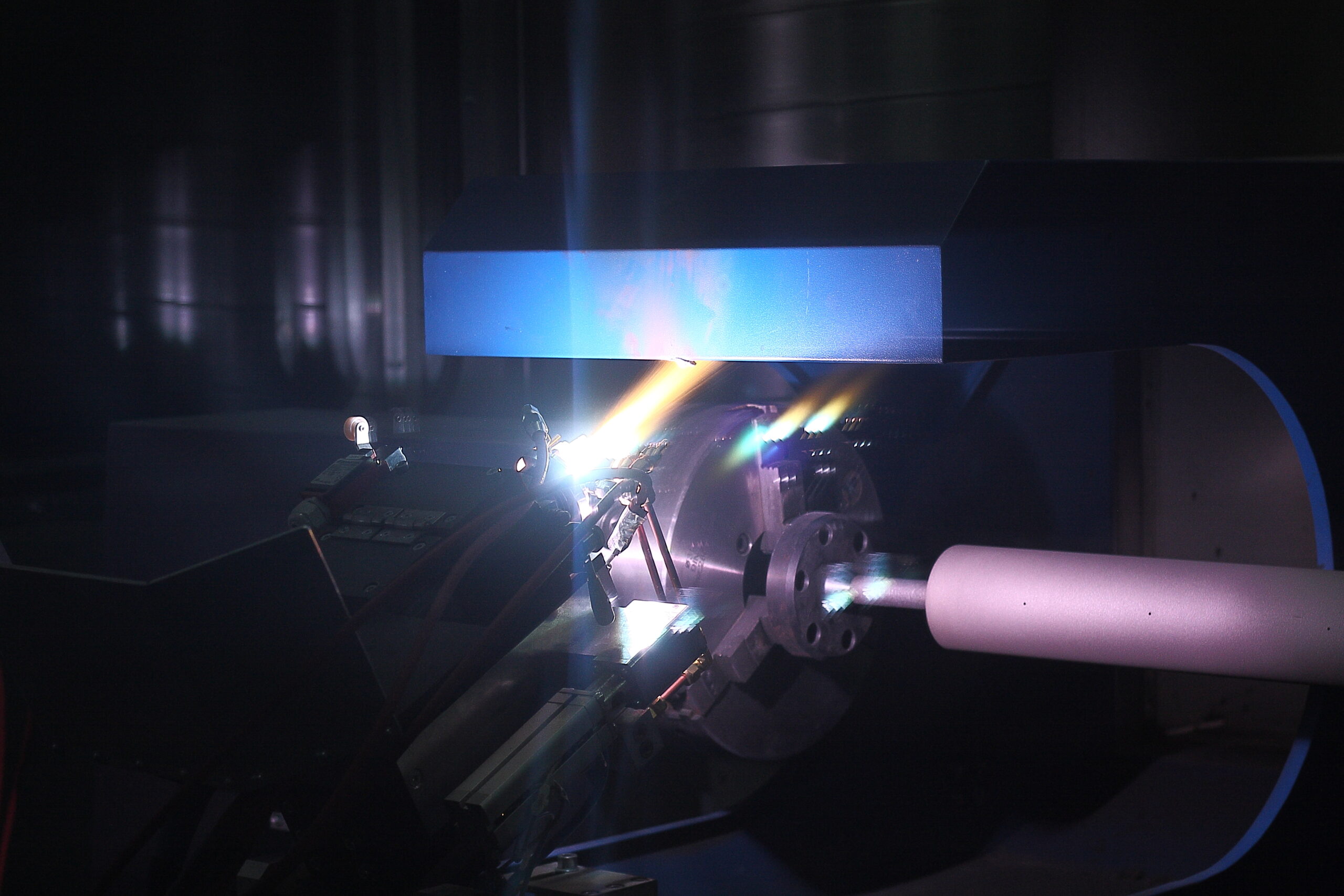
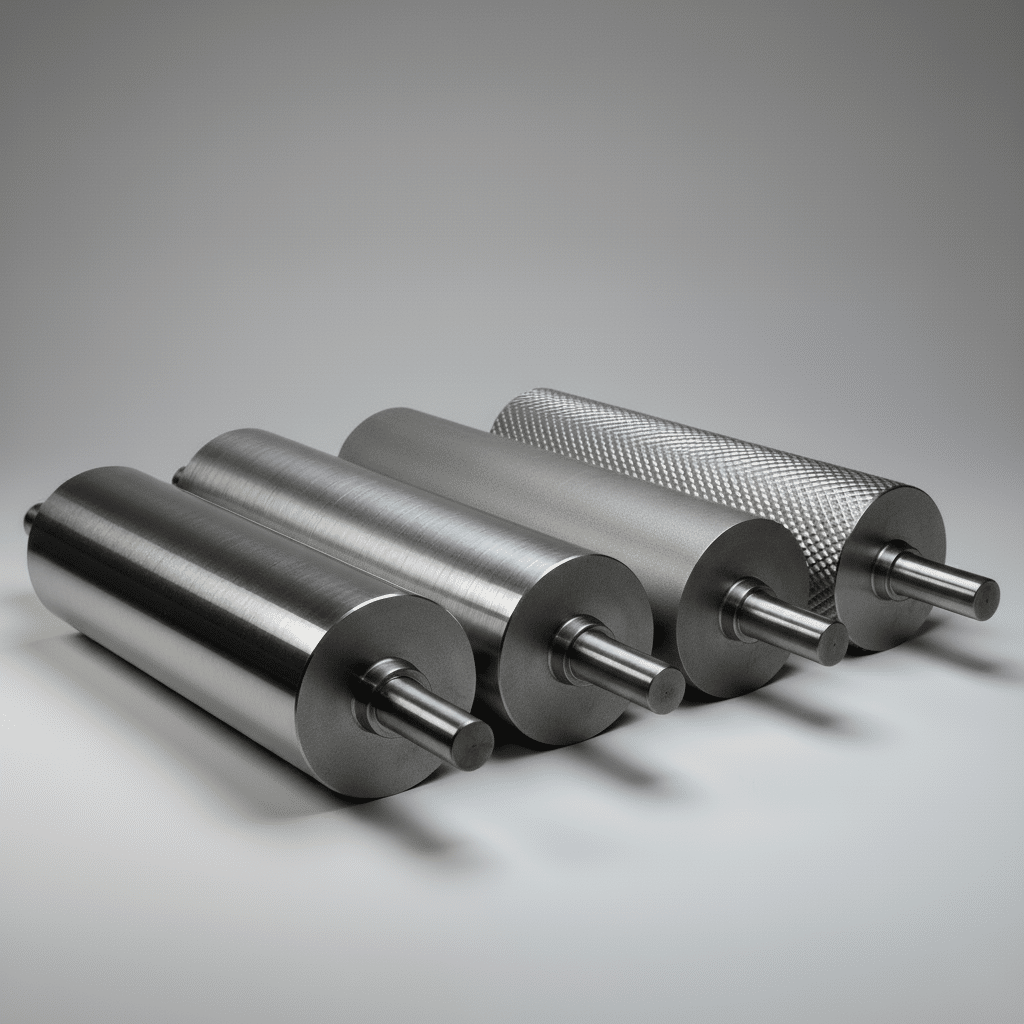
Shaft surfaces
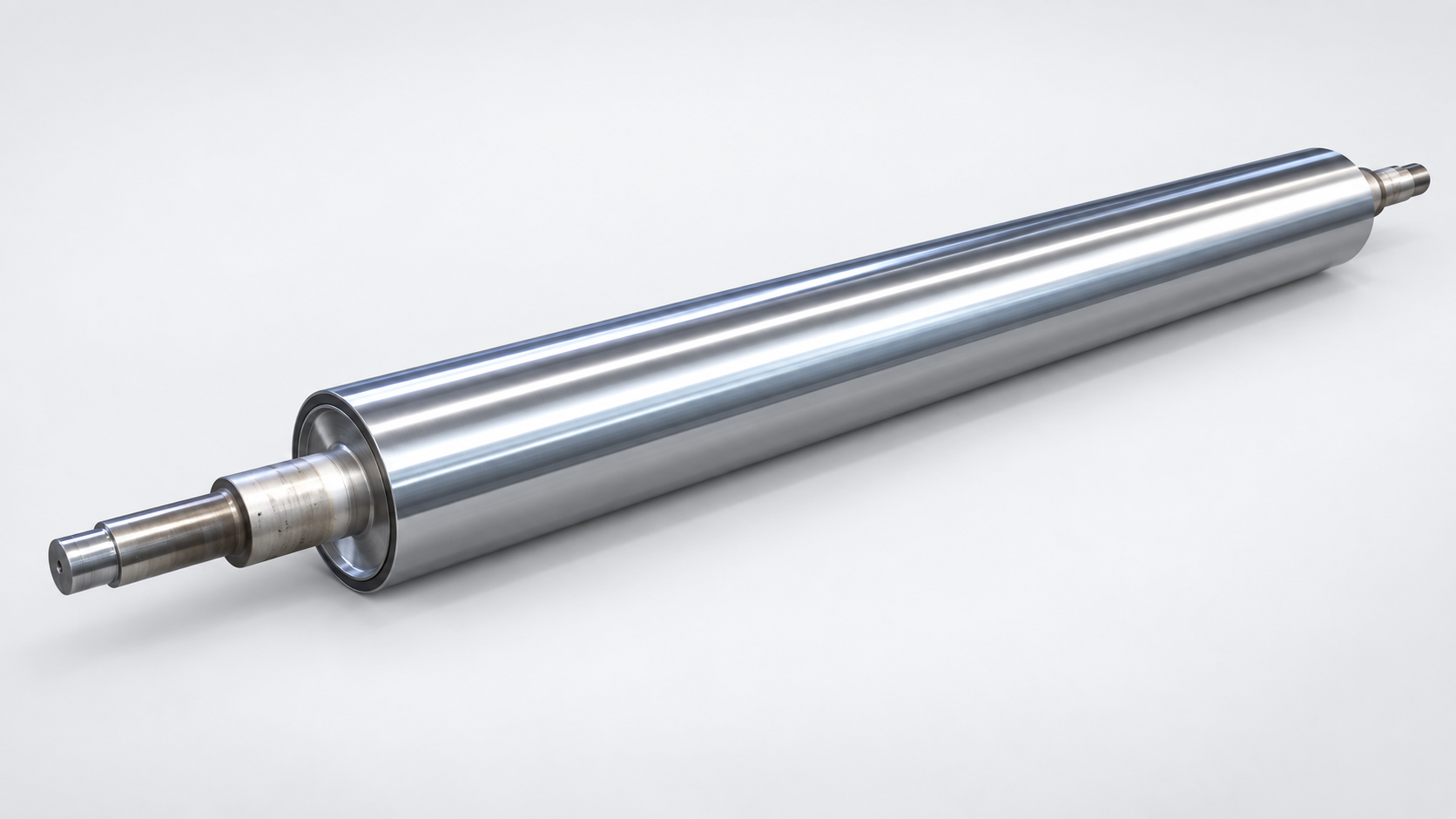
Shaft diameters and stepped sections requiring machining to the agreed final dimensions.
Finishing Services for Industry
We grind the working surfaces of new and remanufactured industrial components. We determine the scope of work, final dimensions, and requirements regarding geometry and surface finish based on the documentation and the condition of the part.

Machining Scope
We determine the scope of grinding based on how the component interacts with the machine. In your inquiry, please specify the surfaces that require machining.
Shaft diameters and stepped sections requiring machining to the agreed final dimensions.
Surfaces that come into contact with bearings, bushings, and other components—after assessing their condition and the available material allowance.
Working surfaces of industrial rollers where geometry and surface condition are important.
Substrate treatment as a step in the agreed-upon process of restoration and preparation for chrome plating.
Grinding after applying the working layer, taking into account its type and the required final thickness.
Finishing the surface to meet acceptance requirements after repair or restoration of the functional coating.
Technical Data
We confirm feasibility after analyzing the material, dimensions, geometry, fastening method, and requirements for the finished surface.
| Types of Parts | Shafts, rollers, journals and other rotating components — subject to an assessment of geometry and workholding options. |
|---|---|
| Scope of Work | Grinding the specified work surfaces to the agreed-upon dimensions and surface quality. |
| Component Status | A new part following previous machining operations, or a workpiece intended for reconditioning. |
| Material and Coating | Selection of the treatment method based on an assessment of the substrate material and the type and condition of any existing coating. |
| Input Data | Technical drawing, dimensions, photos, description of use, and available information on prior processing. |
| Geometry and surface finish | Final dimensions, tolerances, surface roughness, and relevant geometric features are specified for a specific part. |
| Inspection | Measurements of agreed-upon dimensions and surface characteristics. We confirm the scope of the measurement documentation prior to execution. |
| Related Operations | Surface preparation, coating restoration, or further finishing—depending on the needs and technical assessment. |
We do not apply a single tolerance or surface roughness value to all orders. We confirm the requirements and their feasibility for the specified component.

APPLICATIONS
Grinding can be either a step in the manufacturing of a new part or the final operation in a remanufacturing process. The starting point is the component’s operating conditions and the requirements for its working surface.
Assessment of wear and tear
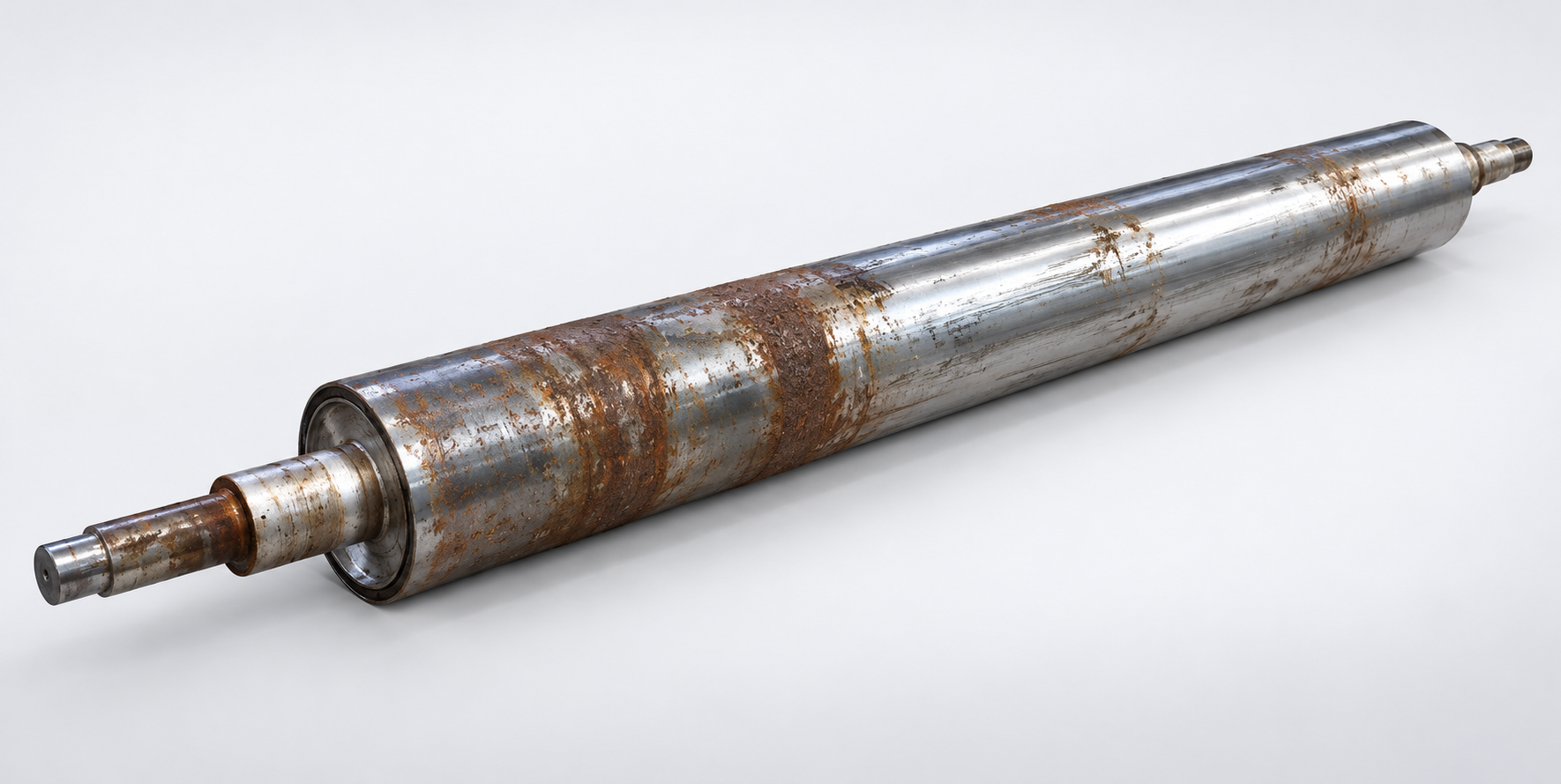
Scratches, signs of wear and dimensional changes help determine the scope of repair. Whether grinding is feasible depends on an assessment of the entire component.
The assessment covers the depth of the damage and the amount of material that can be removed without compromising the part's specifications.
We check the dimensions, datums and geometric features critical to the component’s operation, and assess whether the final dimensions can be achieved.
We assess the condition of the coating and the substrate. The treatment may require prior removal and restoration of the coating.
Technology Selection
The condition of the part, the available allowance, and its function in the machine determine the sequence of operations. We establish the scope before beginning work.
When, after turning or other machining operations, a part requires that a specified surface be brought to the agreed-upon dimensions, geometry, and surface roughness.
Once the working layer has been applied, the final dimensions and required surface properties must be achieved. The type of coating and the allowance are taken into account when selecting the process.
When the surface shows signs of wear or damage, we assess whether machining alone will suffice or if the material or coating will also need to be restored.
Manufacturing Process
We start with the technical specifications and the condition of the part. We confirm the subsequent operations and acceptance criteria for each specific order.
We receive drawings, photos, and dimensions. During the refurbishment process, we determine the type of wear, the history of the coating, and the component’s operating conditions.
We check the material, geometry, workholding and available machining allowance. We confirm the final dimensions, surface finish requirements and inspection scope.
We perform the agreed-upon surface treatment. If the order requires restoration or coating, we include it in the work sequence.
We verify the parameters specified in the order. We determine the measurement documentation and the method of delivering the item prior to fulfillment.
PROEXPORT case study
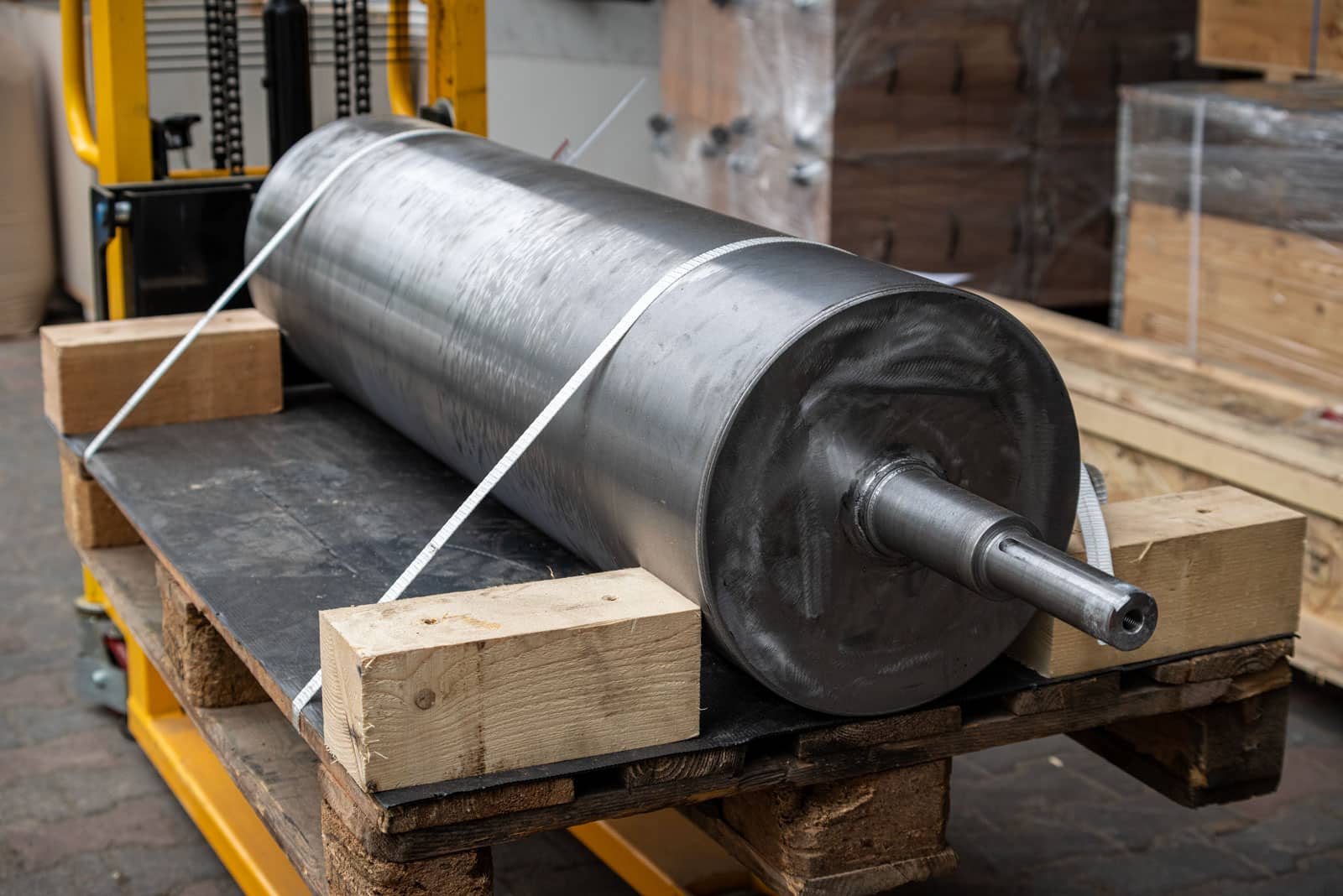
In the repair of the Reifenhäuser winding roller, grinding was one of the repair steps: before chrome plating and after the coating was applied, prior to the final polishing.


The photos show the results of the complete reconditioning of this particular roller. We determine the sequence of operations and the requirements for each component on a case-by-case basis.
View the full project →Quality Control
The scope of measurements is determined by the component's documentation and functions. We agree on the features requiring inspection before accepting the order.
Before Starting Work
Having all the necessary information makes it easier to assess whether a project is feasible. If you don't have a drawing, start with photos and the basic dimensions of the item.
FAQ
Useful information before submitting a part or documentation for technical evaluation.
Related Services and Products
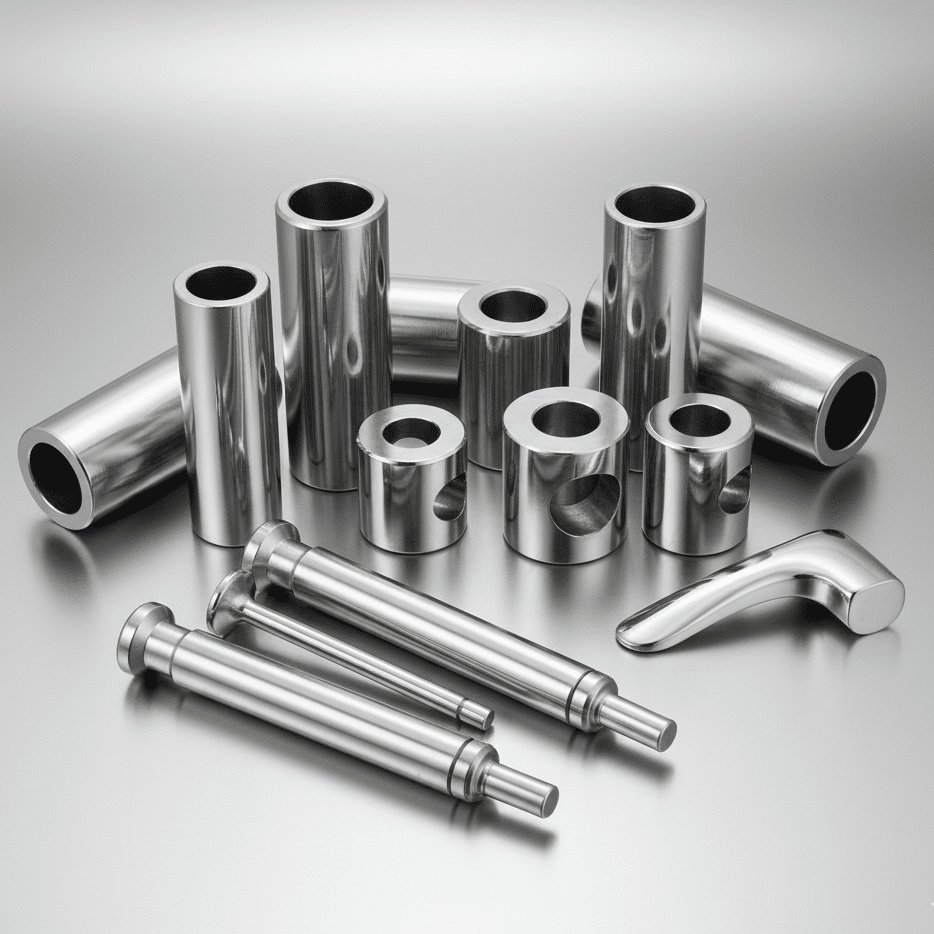
See our surface preparation and finishing services, as well as products related to the machining of shafts and rollers.
Grinding Quote
Please submit documentation or photos of the item. Based on these, we will determine the information needed to assess the scope of work and prepare a quote.