









Anilox Rolls and Anilox Sleeves

Anilox — Ceramic Anilox Rolls and Anilox Sleeves

Anilox rolls provide controlled transfer of ink, coating, adhesive or other process media. We select the design to suit the machine, substrate and required transfer.
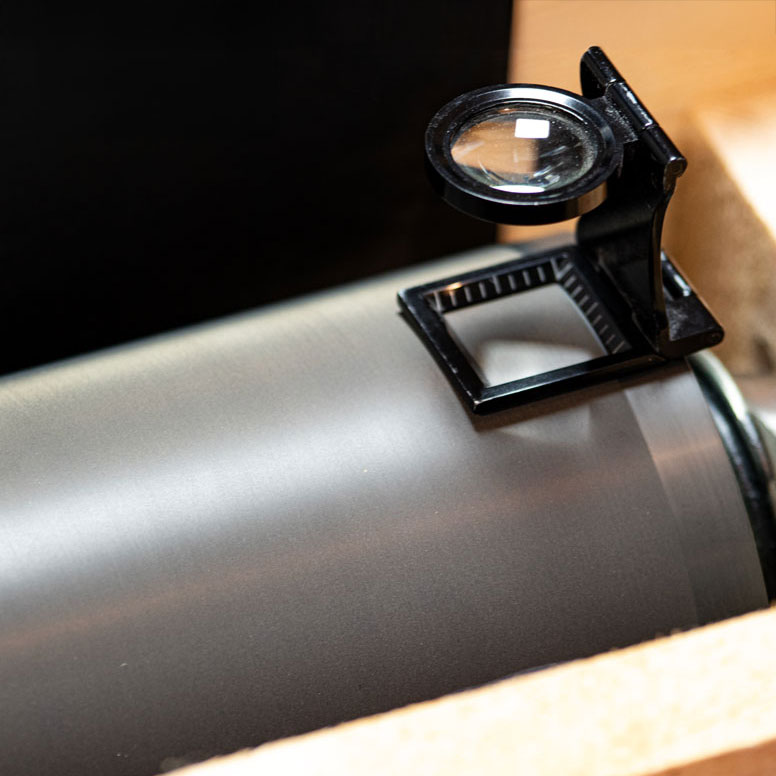
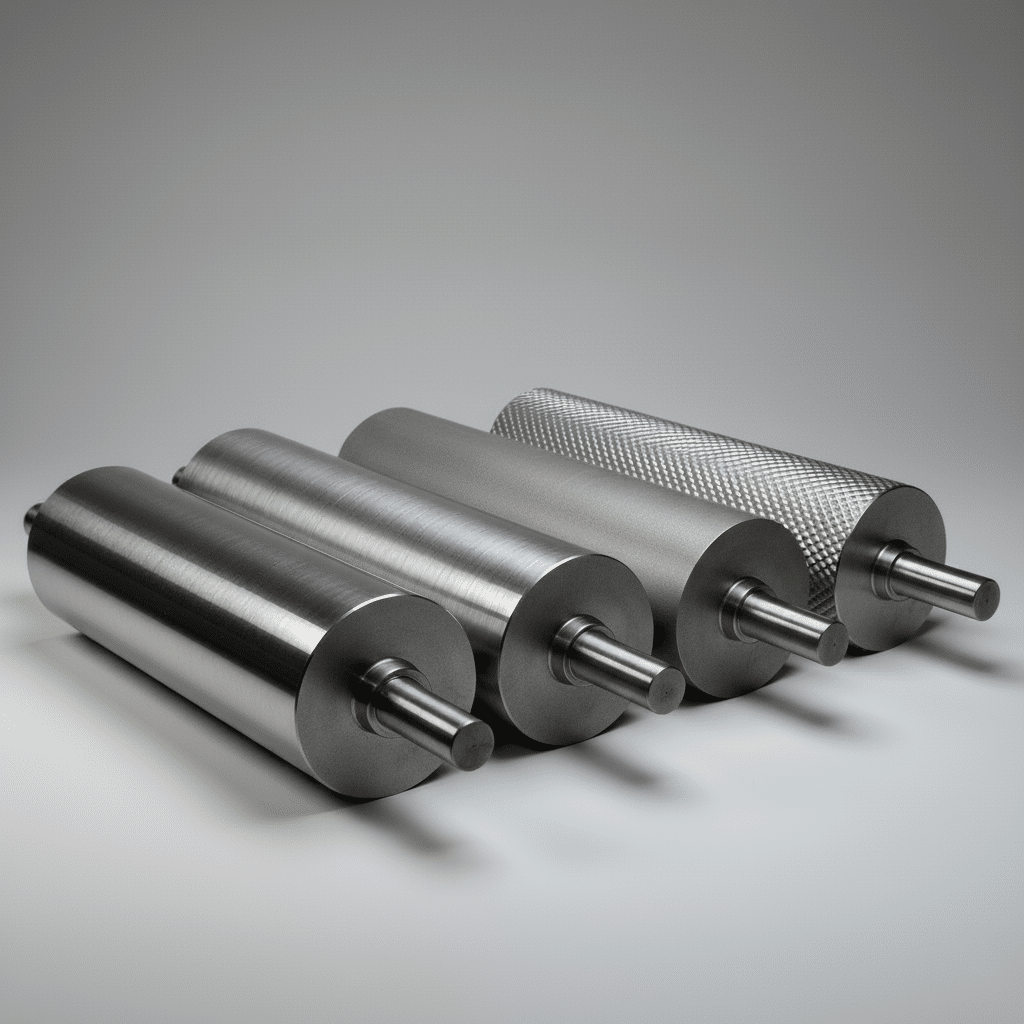
  • new ceramic anilox rolls and anilox sleeves
  • refurbishment of the working surface and metal components
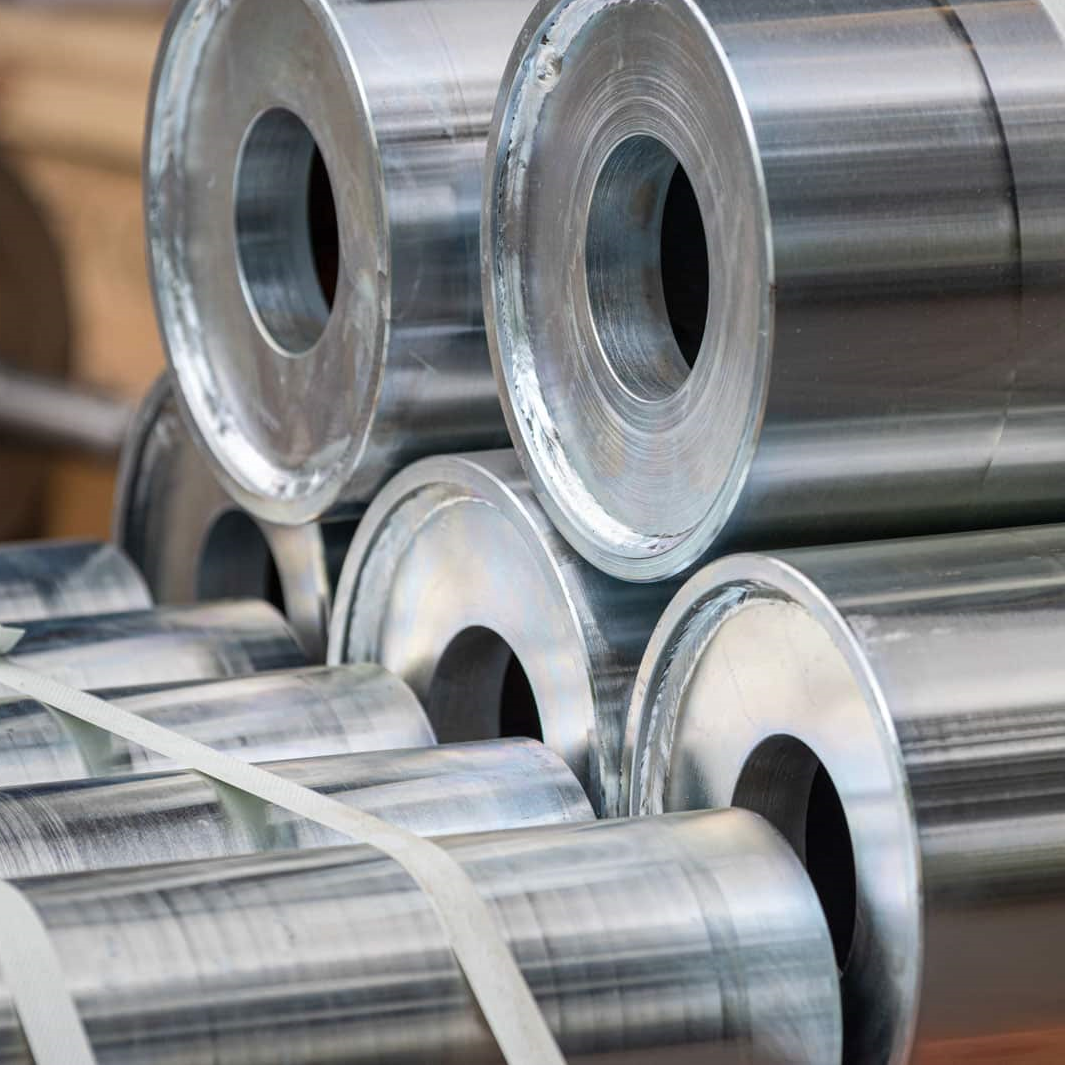
  • roll bodies and bases prepared for subsequent engraving
PROEXPORT Anilox Roller
Ceramic Anilox Roll • Manufacture and Refurbishment
Scope of Services

What Can You Order?

We select the solution to suit the machine design, process medium and required transfer characteristics.

01

New Anilox Rolls and Sleeves

Manufacture for a specific machine and process, with the surface prepared for the required working engraving.

02

Anilox Refurbishment

Assessment of the roll body, journals and working surface, followed by preparation for further service or re-engraving.

03

Roll Bodies for Engraving

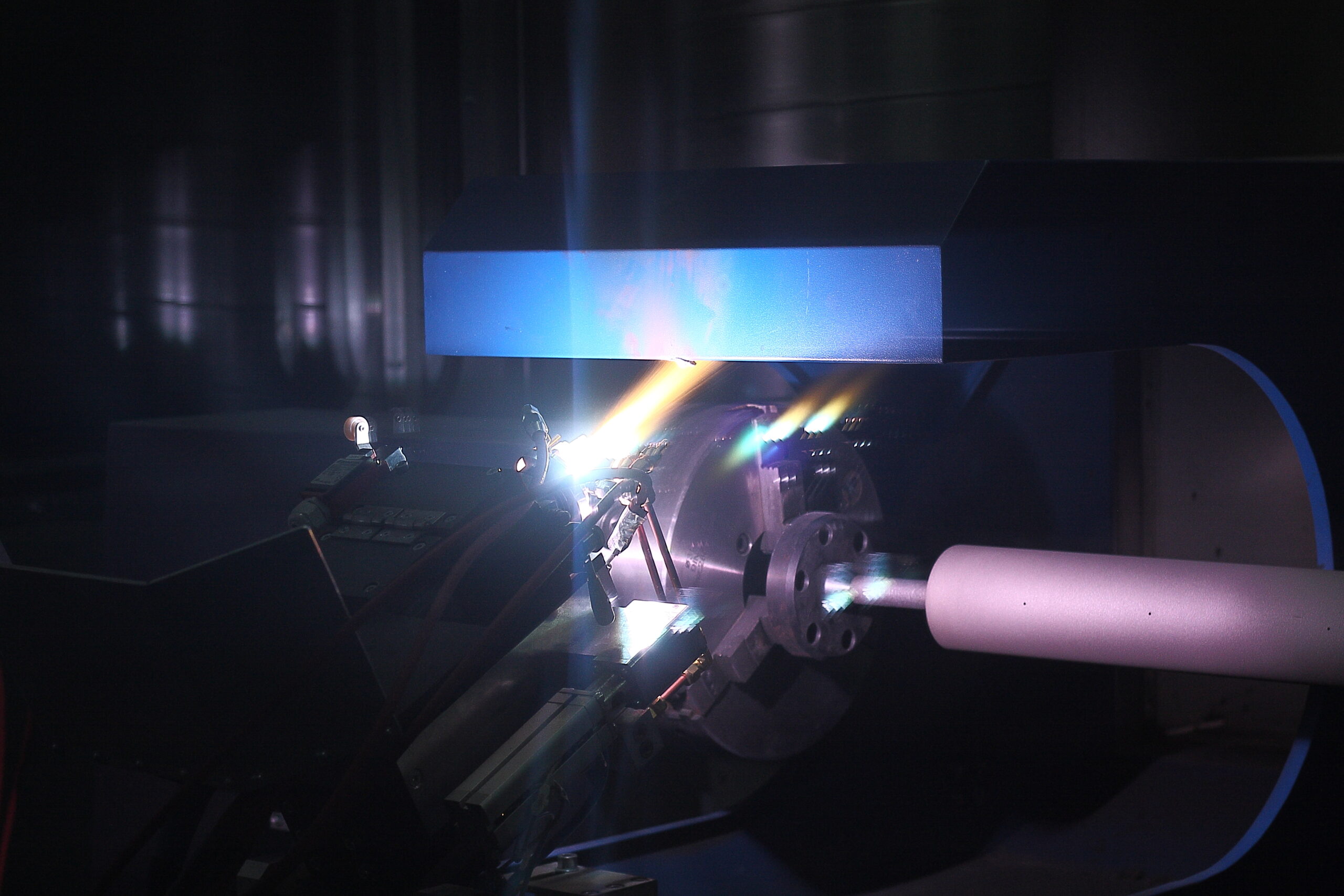
Preparation of the metal roll body and datum surfaces for subsequent application and engraving of the ceramic working layer.

Technical Characteristics

Anilox Technical Data

We select roll or sleeve parameters according to the process medium, substrate, machine design and required transfer.

Key Specifications Range defined individually for the application
Component Type Anilox roll, anilox sleeve or roll body for subsequent engraving
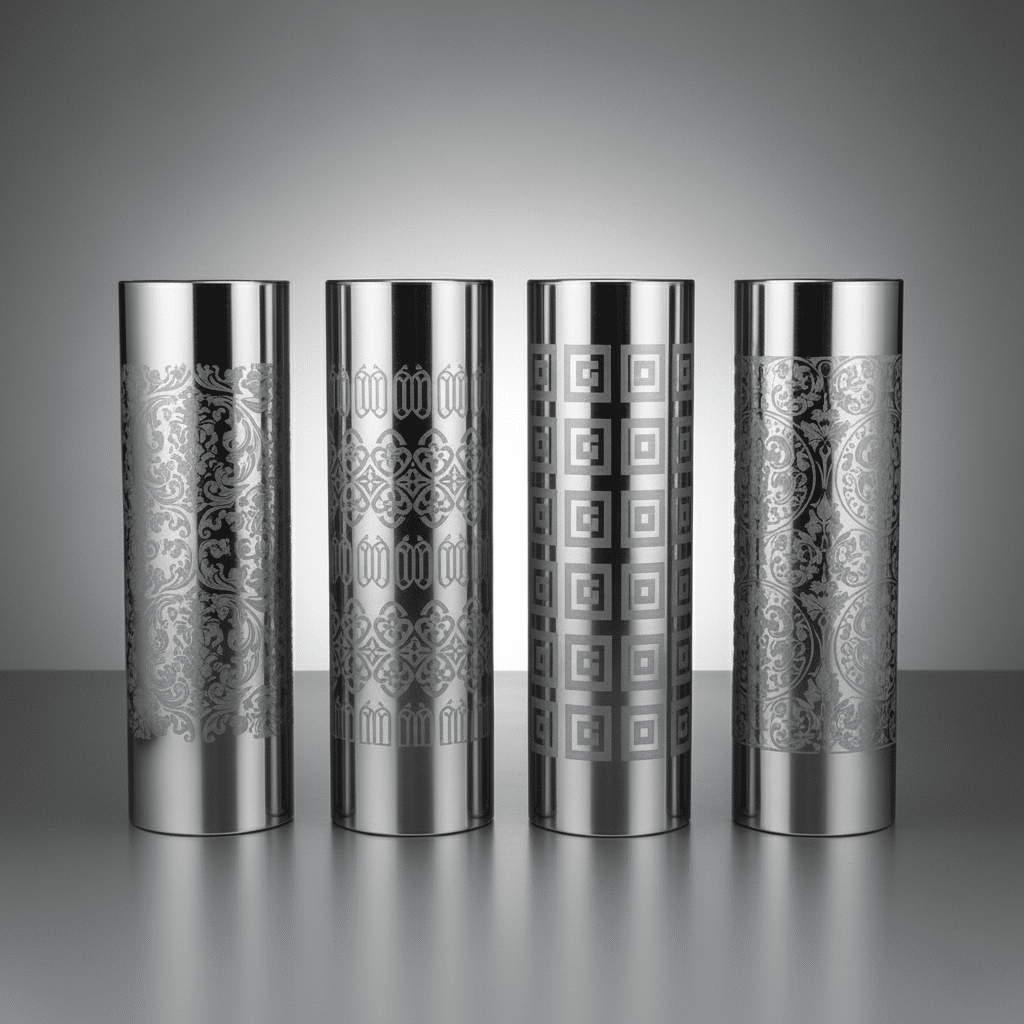
WORKING SURFACE Ceramic working surface with an engraved cell structure
Line Screen 40–600 lines/cm for a standard hexagonal cell pattern
Cell Geometries Hexagonal, hybrid, directional and open cell geometries
Supported Media Inks, coatings, adhesives and process media used in impregnation applications
SCOPE OF WORK New components, refurbishment and roll bodies prepared for subsequent processing
REFURBISHMENT Assessment of the ceramic surface, roll body, journals and bearing seats
Important: line screen, cell volume and cell geometry should be selected according to the process medium, substrate, machine and required application method.
Interactive 3D Model

See How an Anilox Roll Is Built

Rotate the model, select a component or separate the construction layers. Explore the ceramic surface, intermediate layer, roll body and mounting areas.

Active model Drag to rotate
The 3D model requires a browser that supports WebGL.
APPLICATIONS

Where Are Anilox Rolls Used?

Anilox rolls are used wherever controlled, uniform and repeatable application of a process medium is required.

01

Flexographic Printing

Controlled metering and transfer of ink to the printing plate with repeatable process conditions.

02

Coating

Controlled application of a coating layer to paper, film and other process substrates.

03

Adhesive Application

Uniform adhesive metering in laminating, coating and material-bonding processes.

04

Impregnation and Coating

Transfer of process media where a defined amount of material must be maintained on the surface.

REFURBISHMENT

How Does Anilox Refurbishment Work?

Before further processing, we assess the working surface, roll body and mounting areas and define the feasible scope of refurbishment.

01

Application Assessment

We determine the process medium, substrate, machine parameters and process requirements.

02

Surface Inspection

We inspect the working layer, cell-pattern wear and visible damage.

03

Roll Body Inspection

We verify the geometry, journals, datum surfaces and mounting areas.

04

Defining the Scope of Work

We determine which features can be restored and prepared for the next process stage.

05

Execution

We carry out the agreed refurbishment scope and prepare the component for further service.

Technical Decision

Refurbishment or a New Anilox Roll?

The choice depends primarily on the condition of the roll body, journals and working surface, and on the requirements of the specific process.

REFURBISHMENT

When Is Refurbishment Worth Considering?

  • the roll body retains suitable geometry and rigidity,
  • the journals and datum surfaces can be restored,
  • the damage mainly affects the working surface,
  • the parameters of the existing component still meet the process requirements.
New Component

When Is a New Anilox Roll the Better Option?

  • the roll body or journals are excessively worn or damaged,
  • the required geometry and concentricity cannot be restored,
  • the machine, process medium or technical requirements have changed,
  • a different range of working parameters is required.
Preparing an Inquiry

What Should You Send for an Anilox Quote?

The more complete the information, the faster we can assess the scope of work and select a solution for the specific machine and process.

01

Drawing or Photos

Technical documentation, a sketch or photos of the existing roll showing the working areas and journals.

02

Component Dimensions

Diameter, working-section length, journal dimensions and other relevant mounting surfaces.

03

Process Data

Type of process medium, substrate, machine and information about the required application method.

04

Problem or Objective

Wear, damage, changes in process parameters or requirements for a new component.

FAQ

Frequently Asked Questions About Anilox Rolls

Key questions about the selection, manufacture and refurbishment of anilox rolls and sleeves.

What Determines Anilox Selection?

Selection depends on the process medium, substrate, machine design and the required amount and method of transfer.

What Media Can Be Applied with an Anilox Roll?

Examples include inks, coatings, adhesives and process media used in coating and impregnation applications.

Can a Worn Anilox Roll Be Refurbished?

Yes, if the condition of the roll body, journals and datum surfaces allows the required geometry to be restored and the component to be prepared for the next process stage.

When Is a New Anilox Roll the Better Option?

When the roll body is damaged, the required concentricity cannot be restored, or the machine and process requirements have changed.

What Information Is Needed to Prepare a Quote?

Ideally, send a drawing or photos, basic dimensions, information about the machine, process medium, substrate and required result.

Are Anilox Engraving Parameters Always the Same?

No. Line screen, cell geometry and cell volume should be selected individually for the specific application.

Let's Discuss Your Component

Do You Need a New Anilox Roll or a Refurbishment Assessment?

Send a drawing, photos or basic technical data. We will assess the scope of work and select a solution for the machine, process medium and required transfer.