









Precision rollers for industrial machines and production lines
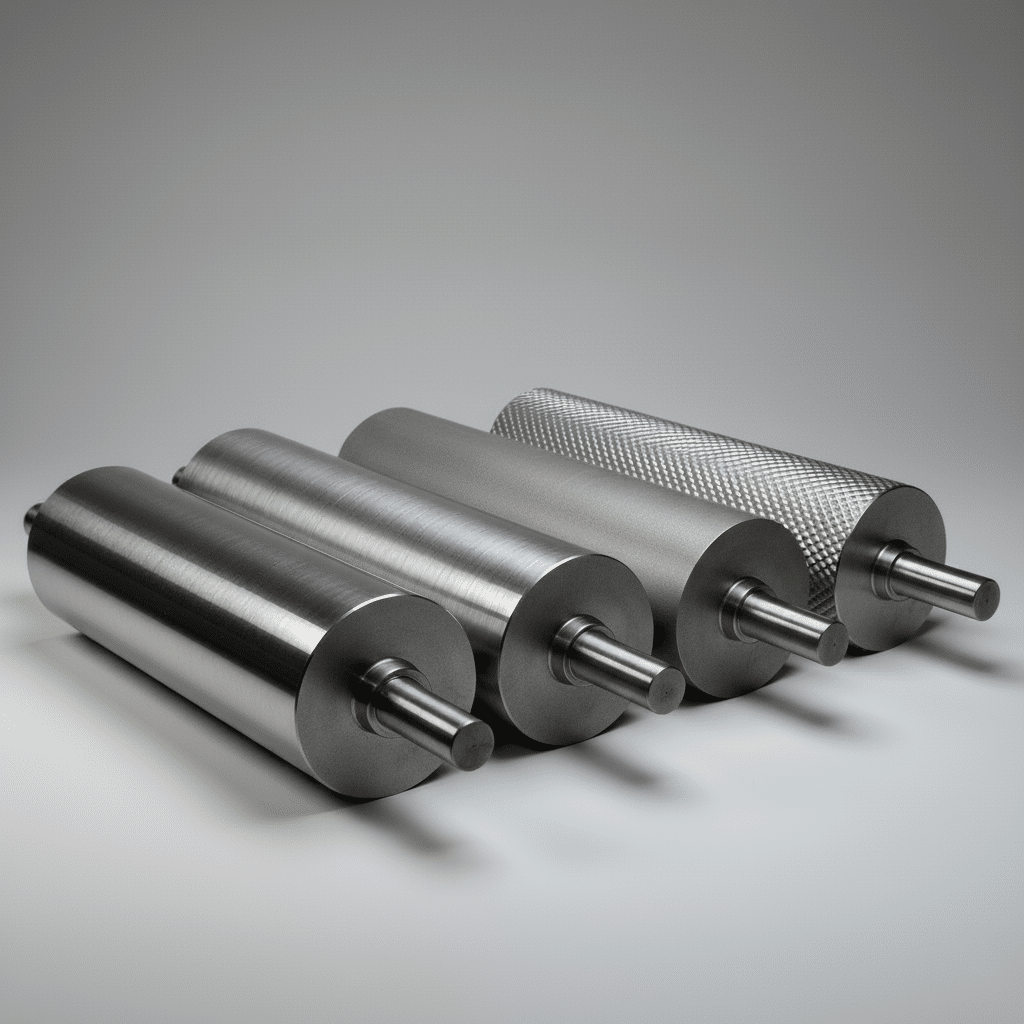
Precision rollers We manufacture precision rollers in accordance with technical documentation and the requirements of the specific application. We select the material, machining process, and surface finish based on the operating conditions and the required geometry of the component.
A roller designed for a specific operation in the machine
As part of our precision roller production, we can accommodate material, surface type, coating, and additional processing. We determine the scope of work based on the documentation and the component's intended use.
Rollers manufactured to customer drawings and specifications
Manufacture of new steel rollers in accordance with the provided drawing, dimensions, and requirements regarding geometry and working surface.
Selection of Roller Surface and Finish
The roller surface can be adapted for transporting, guiding, metering, applying, pressing, or processing material in a specific application.
Rubber Covering and Elastomers
Coating the roller surface with NBR, EPDM, or silicone rubber, depending on the application and operating conditions.
NBR · EPDM · siliconePolyurethane Coating
Polyurethane coatings are used in applications where the surface's resistance to wear and mechanical stress is important.
PU CoatingsHard Chrome Plating
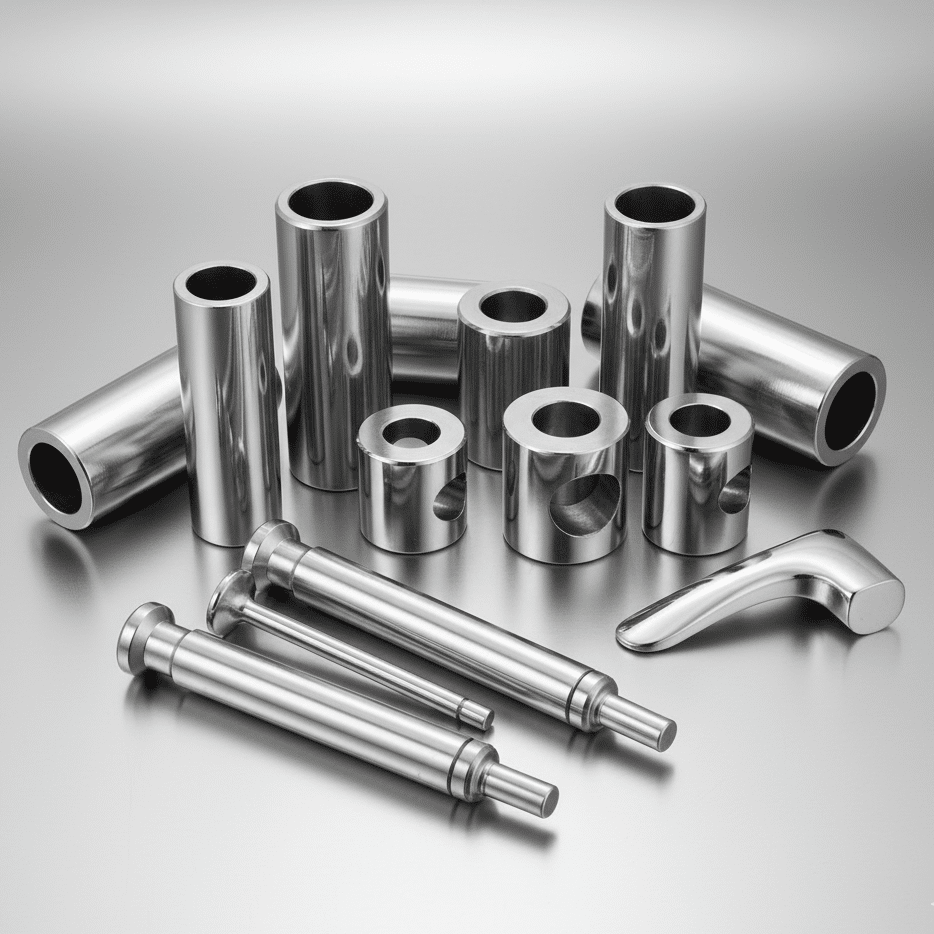
A chrome plating used to increase the surface's wear resistance and achieve the desired finish.
Hard chromeTechnical Ceramics
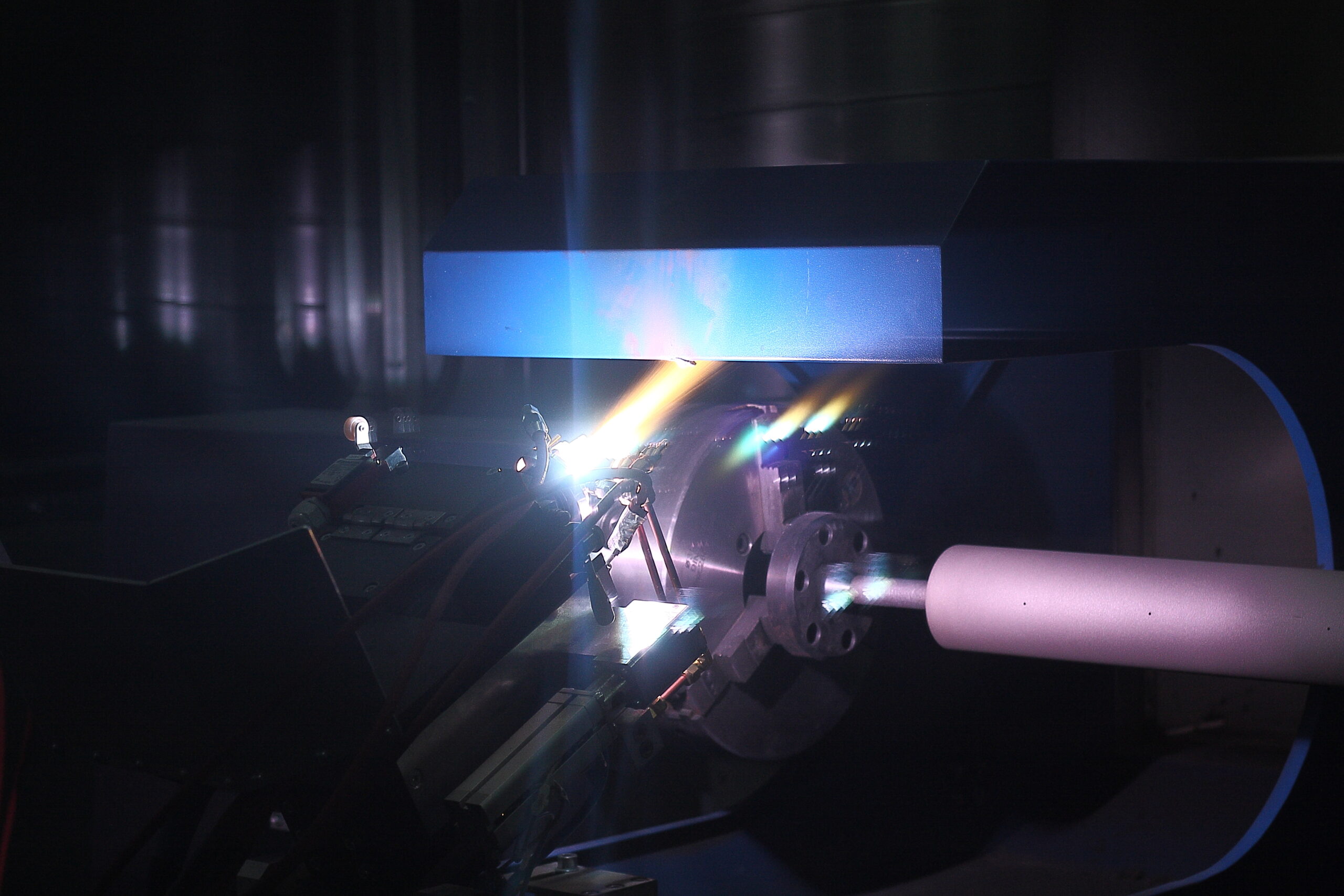
Spray-applied ceramic coatings selected for applications that require a surface resistant to heavy wear.
Thermal SprayingDynamic balancing
Dynamic balancing that reduces roller imbalance, vibration, and loads during rotational operation.
Rotational OperationInduction Hardening
Heat treatment of a component's surface used to increase its wear resistance.
Heat treatmentEngraving and Knurling
Creating a specific surface texture in order to increase friction or reproduce the required pattern.
Surface StructureGroove Cutting
Spiral, transverse, or function-specific grooves on the roller, depending on how the medium or workpiece is guided.
Working groovesDo you have a drawing or specification for the roller?
Please submit the documentation, dimensions, and a description of the component's function. We will assess the feasibility of the project.
See what defines a precision roller
Rotate the model, zoom in on it, and select one of the six areas. The model will automatically set a clear view and will show where dimensions, geometry, mounting, material, working surface, and rotational work are important in the design.
The model depicts the design shown in the reference photo and is for illustrative purposes only. The final geometry, dimensions, and design of the roller are determined by the technical documentation and the operating conditions within the machine.
First, the geometry and operating conditions, then roller manufacturing
The specifications of a precision roller are determined by its function within the machine. Therefore, before developing a solution, we analyze dimensions, mounting method, material, working surface, and operating conditions of the component.
Precision rollers used in a wide range of industrial processes
The same shape of a component does not imply the same requirements. Roller function, workpiece, and operating mode of the machine affect its design, surface area, and the scope of machining.
Industrial Printing
Rollers used for feeding the material, application, pressure, and interaction with other components of the printing unit.
PrintingThe Textile Industry
Components that guide and interact with textile materials during transport, processing, and surface finishing.
TextilesThe Food and Pharmaceutical Industries
Rolls manufactured to meet the requirements of a specific machine, the medium, and the operating environment of the process.
Manufacturing ProcessesPlastics Processing
Rollers used for guiding, pressing, shaping, and processing film and other plastic materials.
PlasticsLamination and Coating
Guide, pressure, and working rollers used when joining layers and applying materials.
CoatingPackaging Production
Rollers designed for use with film, paper, cardboard, and other materials used in packaging production processes.
PackagingElectronics
Components manufactured for machines and equipment that require controlled geometry and repeatable interaction between working parts.
Technical ProductionMetallurgy and Metal Rolling Mills
Rolls and working elements designed for machines that process metal and are subjected to loads specific to a given process.
Metal IndustryDon't see your industry on the list?
Describe the roller's function, the material being processed, and the operating conditions. We will assess whether we can manufacture a component for your machine.
What are the benefits of a roller engineered for a specific application?
With precision rollers, it is not just the dimensions that matter. Geometry, material, surface, and mounting method must work together with the machine’s other components.
Compliance with Documentation
Dimensions, geometry, and mounting components are manufactured in accordance with the agreed-upon documentation and the scope of the order.
Scope of Work Subject to InspectionGeometry Tailored to the Machine
The design of the working parts, pins, and mating surfaces takes into account the assembly method and the function of the roller.
Fitting the ComponentSurface area tailored to the process
The finish, texture, or coating can be selected based on the material in contact with the roller and the method used to process it.
Proper surface functionQuality Control of the Finished Roller
The finished part undergoes an inspection to verify compliance with the requirements specified for the particular order.
Pre-delivery verificationA wider range of services in a single order
The production of a roller can be combined with coating, surface treatment, grooving, or balancing.
Systematic ImplementationAn element designed for a specific application
The scope of work is determined by the actual function of the roller, the machine's specifications, and the operating conditions.
Selection Based on ApplicationFirst, we determine how the roller works in the machine
Please submit a drawing, basic dimensions, or a description of the application. Based on this information, we will assess the feasibility of the project.
From Inquiry to a Finished Roller
The project begins with defining the component’s function and technical requirements. Next, we prepare the scope of work, carry out production, and Perform a quality inspection of the finished roller.
Submit an Inquiry
01Please provide a drawing, dimensions, photos, or a description of how the roller is used in the machine.
Input DataRequirements Analysis
02We analyze the roller's function, geometry, material, working surface, and operating conditions within the machine.
Technical AssessmentPreparing a Proposal
03We define the possible scope of work, the technology, the terms of execution, and the scope of additional services.
Order ScopeRoller Manufacturing
04Once the offer is accepted, we begin manufacturing the component in accordance with the agreed-upon documentation and scope of work.
ManufacturingSurface Treatment and Finishing
05We provide the specified machining, coating, texture, grooves, or other surface finishes.
Work surfaceQuality Control
06Each finished roll undergoes a compliance inspection to ensure it meets the requirements specified for the order.
Product VerificationPackaging and Delivery
07We secure the finished item for shipping. You can pick up your order or arrange for delivery to the address you provide.
Completion of the ProjectDo you have the documentation for the new roller?
Please submit the file along with information about how the component will be used. We will assess the feasibility of the project.
Each finished roller undergoes quality control
Quality control is not an optional extra. We verify every finished component for compliance with the documentation and scope specified for the contract.
We check the characteristics essential for the proper installation and operation of the component. The specific measurements depend on the design of the roller, the documentation, and the agreed-upon scope of work.
Dimensions of the finished component
Verification of the dimensions specified in the documentation and relevant to the performance of the contract.
Cylinder Geometry
Inspection of the required geometric features of the working part, pins, and mating surfaces.
Journals and Mounting Features
Inspection of the workmanship of pins, sockets, threads, grooves, and other components involved in assembly.
Work surface
Assessment of the conformity of the finish, structure, grooves, or coating used with the specified range.
If you need a report or a specific set of measurement records, please indicate this when submitting your inquiry.
Frequently Asked Questions About precision rollers
We have compiled the most important information regarding production, materials, coatings, balancing, quality control, and fulfillment of orders for precision rollers.
A precision roller is a cylindrical machine component manufactured to specific dimensional and geometric tolerances. Its design, material, and working surface are determined by the function it performs in a specific application.
It is best to provide a technical drawing, basic dimensions, material, and a description of the roller’s function. Information regarding rotational speed, loads, and the required working surface is also helpful.
Yes, new precision rollers can be manufactured according to the provided drawing and the agreed-upon specifications. Before production begins, the documentation is reviewed to determine the feasible scope of production.
Depending on the application, the roller can be rubber-covered, polyurethane-coated, hard chrome plated, or ceramic-coated. The coating is selected based on the loads, operating environment, and surface function.
Hard chrome plating is used when a surface requires high wear resistance and a low coefficient of friction. The hard chrome layer typically has a hardness of 850–1,200 HV, however, corrosion protection remains effective only as long as the coating remains undamaged.
Rubber and polyurethane have different mechanical and chemical properties, as well as different ranges of application. The choice of material should take into account the loads, the required friction, the operating environment, and contact with the workpiece.
Dynamic balancing reduces the imbalance of a component during rotational operation. It is particularly important when the roller is operating at higher speeds or when imbalance could cause the entire system to vibrate.
Yes, the scope of work may include spiral or transverse grooves, engraving, or knurling. The surface geometry must be determined by the cylinder’s function and how it interacts with the material.
Yes, every finished roll undergoes an inspection to ensure compliance with the documentation and the scope specified for the order. The specific measurements depend on the component’s design and the specified requirements.
Yes, the need to prepare a report or specific measurement documentation should be noted when submitting an inquiry. The scope of the report is then agreed upon along with the scope of the order.
The process includes analyzing the inquiry, defining the scope, preparing a quote, manufacturing, surface treatment, and quality control. Once completed, the roller is prepared for pickup or shipment.
Yes, we can arrange for the delivery of rollers within Poland and abroad. The method of securing the load and the terms of transport are determined based on the dimensions and weight of the finished product.
Still have questions?
Please submit a drawing, dimensions, or a description of the roller's operation. We will respond with recommendations tailored to your specific application.
Matches Your choice
See solutions that can complement manufacturing the roller, preparing its working surface or other components of the system.
Product
01
Hard Chrome-Plated Rollers
Components with a working surface made of technical chrome
Product
02
Banana Rollers
Guiding and straightening the web
Service
03
Hard Chrome Plating
Work surface for industrial parts
Product
04
Transport rollers
Material Transport and Feeding in the Machine
Service
05
CNC Turning of Parts
Machining of rotary surfaces according to specificationsClick on the tile of your choice to view the product or service details.
Precision Rollers — Design, Selection, and Manufacturing
The properties of a roller result from a combination of its geometry, material, surface finish, and operating conditions within the machine. That is why we select each component based on the specific application and technical documentation.
What is a precision roller?
Precision roller It is a machine component manufactured with controlled geometry, dimensions, working surface, and mounting method, tailored to a specific industrial process.
Precision rollers can be used, among other things, for guiding, pressing, conveying, laminating, applying material, or stabilizing the manufacturing process. Their actual function depends on the machine’s design and operating conditions.
The external dimensions alone do not determine the suitability of a component. The pins, fasteners, type of material, surface finish, and the cylinder’s behavior during rotational operation are also important.
Shape and dimensions as specified in the technical documentation.
A finish selected to suit the material and the process.
Pins and fasteners tailored to the machine's design.
Why does the geometry of a cylinder matter?
The geometry of the roller affects how it contacts the material, its tracking stability, and how it interacts with the other parts of the machine.
Depending on the application, various geometric features may be inspected. The scope of inspection should be based on the documentation, the component’s function, and the requirements of the specific application.
Diameters and Lengths the main parts of the roller and its working surface.
Coaxiality working surface, pins, and fasteners.
Surface Shape in accordance with the roller's function and the requirements of the documentation.
Position of the pins and other areas that interact with the machine.
How is the material for a roller selected?
The material is selected based on the loads, the operating environment, the roller design, the planned machining, and the type of working surface.
The choice of material should not be considered separately from the design of the entire component. Factors that are important include, among others, the support method, operating conditions, contact with the workpiece, and the surface finishing process.
Loads, support configuration, and the nature of the machine's operation.
Temperature, humidity, exposure to media and contaminants.
Machining, hardening, grinding, and surface preparation.
A coating or finish required by a given process.
What types of surfaces are used on rollers?
The type of surface is selected based on the required wear resistance, friction, material contact, operating environment, and the function of the roller in the manufacturing process.
| Type of construction | When is it considered? | What needs to be determined? |
|---|---|---|
| Metal surface | When the process requires a specific surface finish on the base material. | Surface roughness, geometry, contact conditions, and operating mode. |
| Hard Chrome | When wear resistance and a low coefficient of friction are important. | Substrate condition, layer thickness, final finish, and operating environment. |
| Rubber or elastomer | When a resilient working layer is needed or specific contact with the material being processed is required. | Compound type, hardness, media, temperature, and layer geometry. |
| Polyurethane | When an application requires a coating with properties tailored to the loads and contact with the material. | Hardness, durability, operating conditions, and finish. |
| Technical Ceramics | In applications where specialized surface properties are required. | Type of process, load, substrate, and required finish. |
| Grooving or knurling | When the surface is intended to guide, transport, or properly arrange the material. | The geometry of the pattern, the pitch, the direction, and the area of application. |
Typical range for the layer itself. The final properties of the component also depend on the base material, substrate preparation, coating thickness, and post-processing.
The corrosion protection provided by hard chrome remains effective as long as the coating is continuous and undamaged. Coating selection always requires an analysis of the actual operating conditions.
When is dynamic balancing needed?
Dynamic balancing is considered for rotating components, especially when their mass, design, or operating speed may affect vibration levels.
The balancing range should correspond to the actual operating conditions of the roller. To make a proper assessment, data on rotational speed, support configuration, mass, design, and the function of the component within the machine are required.
Rotational speed and mounting method.
Weight, dimensions, and design of the component.
Requirements appropriate for the application.
What information is needed to get a quote for a roller?
The best basis for a quote is the current technical drawing, supplemented with information about the application and operating conditions.
A technical drawing, model, or clear sketch of the component.
Diameters, lengths, spindles, mountings, and working areas.
The specified type or the expected properties of the component.
Coating, hardness, structure, or required finish.
Loads, temperature, media, and contact with the material.
Speed, support method, and balancing requirements.
Please submit the available materials and describe the application. We will determine the scope of the project after analyzing the data.
How is the quality of the roller inspected?
Every finished roller undergoes a quality inspection. The scope of the characteristics checked is based on the technical documentation, the agreed-upon requirements, and the type of product.
Verification of the specified diameters, lengths, and areas of application.
Verification of the geometric features required for the component.
Evaluation of the base layer and the agreed-upon finish.
Inspection of areas that interact with the machine structure.
Do you need a roller for a specific application?
Please submit a technical drawing and key information about the operating conditions. We will prepare a scope of work and a quote.