









Industrial Rollers · Hard Chrome Plating

Hard Chrome-Plated Rollers for Industrial Processes

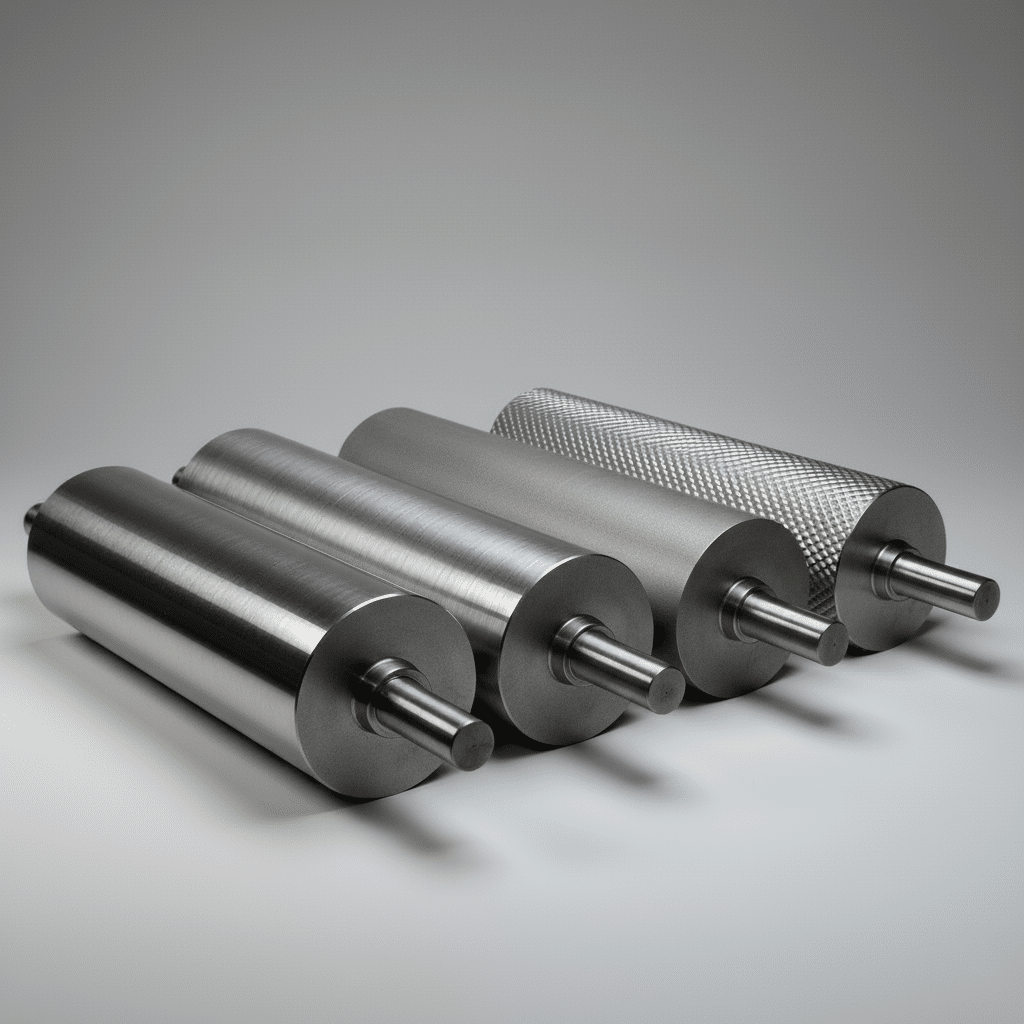
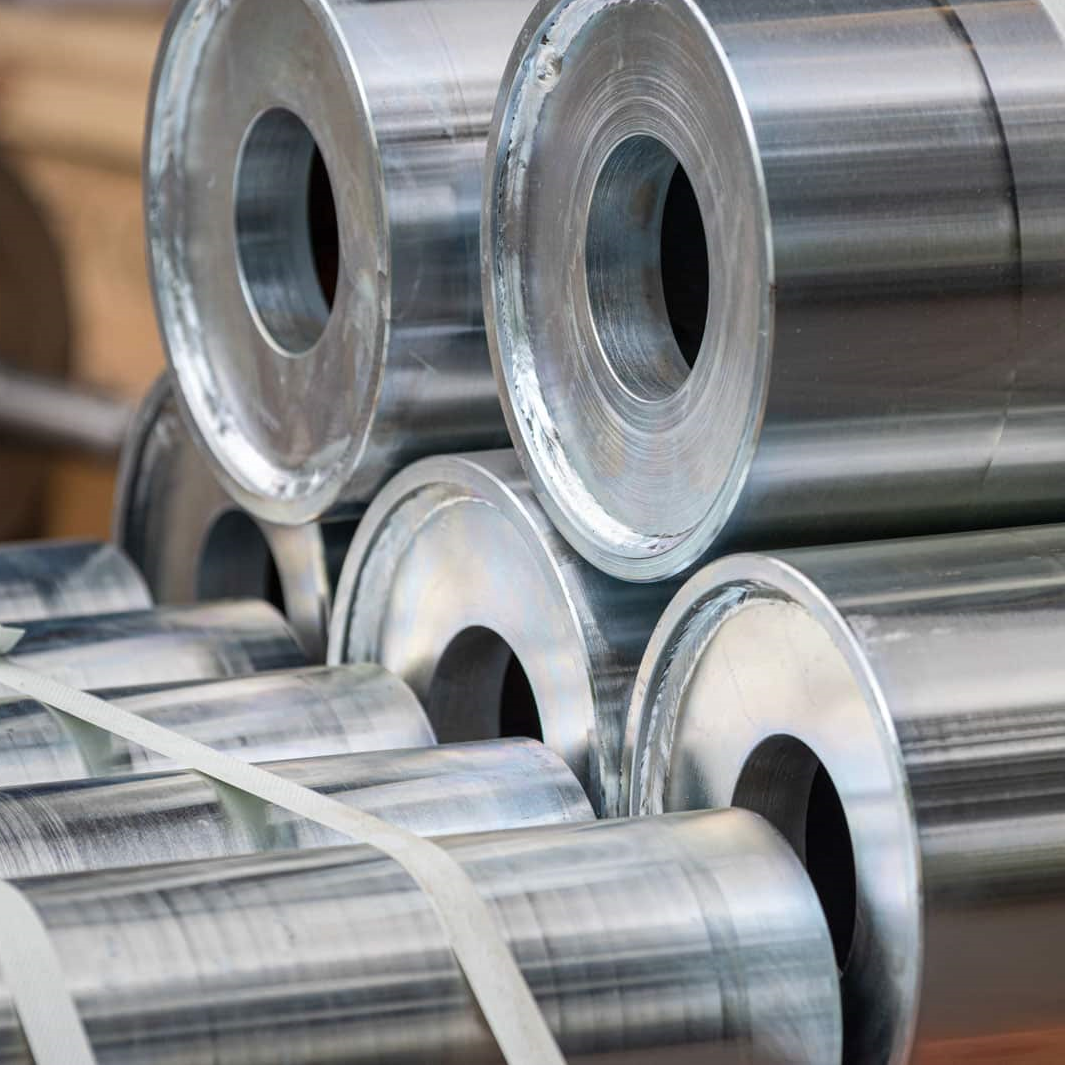
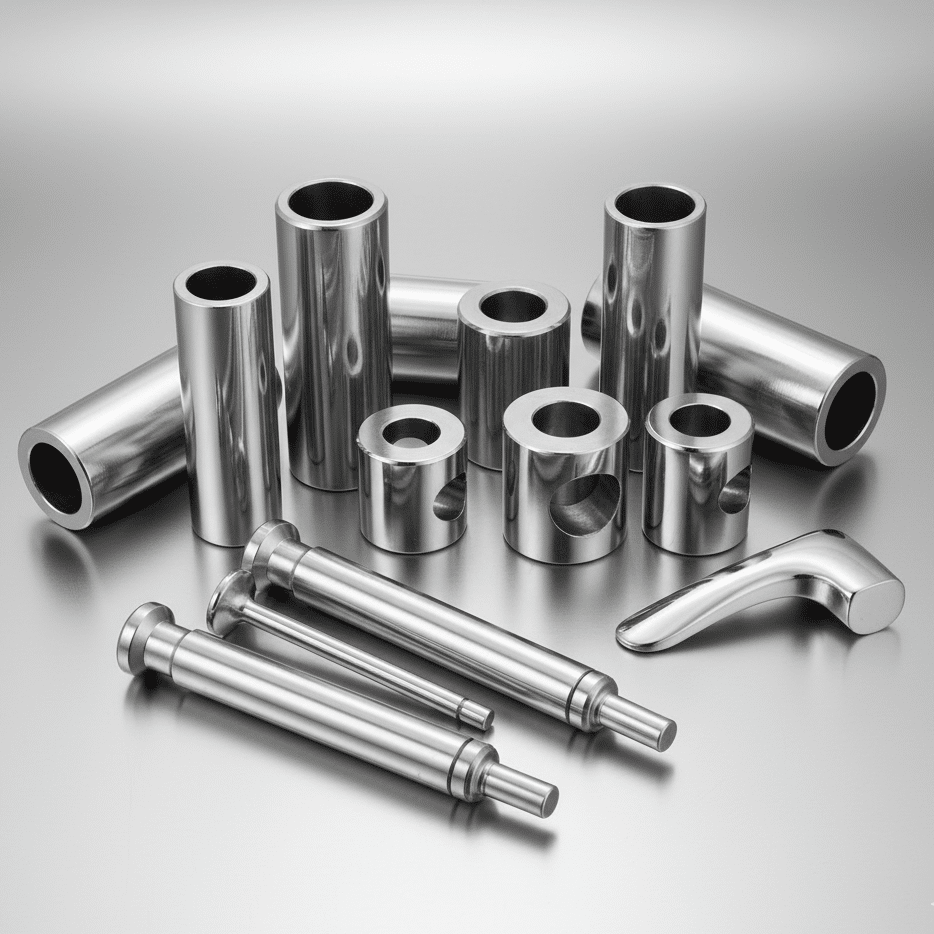
We manufacture new hard chrome-plated rollers and refurbish used components. We select the roller geometry, hard chrome coating and surface finish according to the roller function and the machine's operating conditions.

  • manufacture of new rollers to technical documentation,
  • refurbishment of working surfaces,
  • hard chrome plating, grinding and polishing.
PROEXPORT hard chrome-plated industrial roller
Subcategories

Explore Selected Hard Chrome-Plated Roller Categories

We select solutions based on the roller's function, operating conditions, and the parameters of a specific production line. Check out the available types of shafts, rollers, and industrial cylinders.

Drying rollers for industrial applications

Dryer Rolls

Manufacture and refurbishment of drying rollers for the paper industry and other processes requiring a stable working surface.
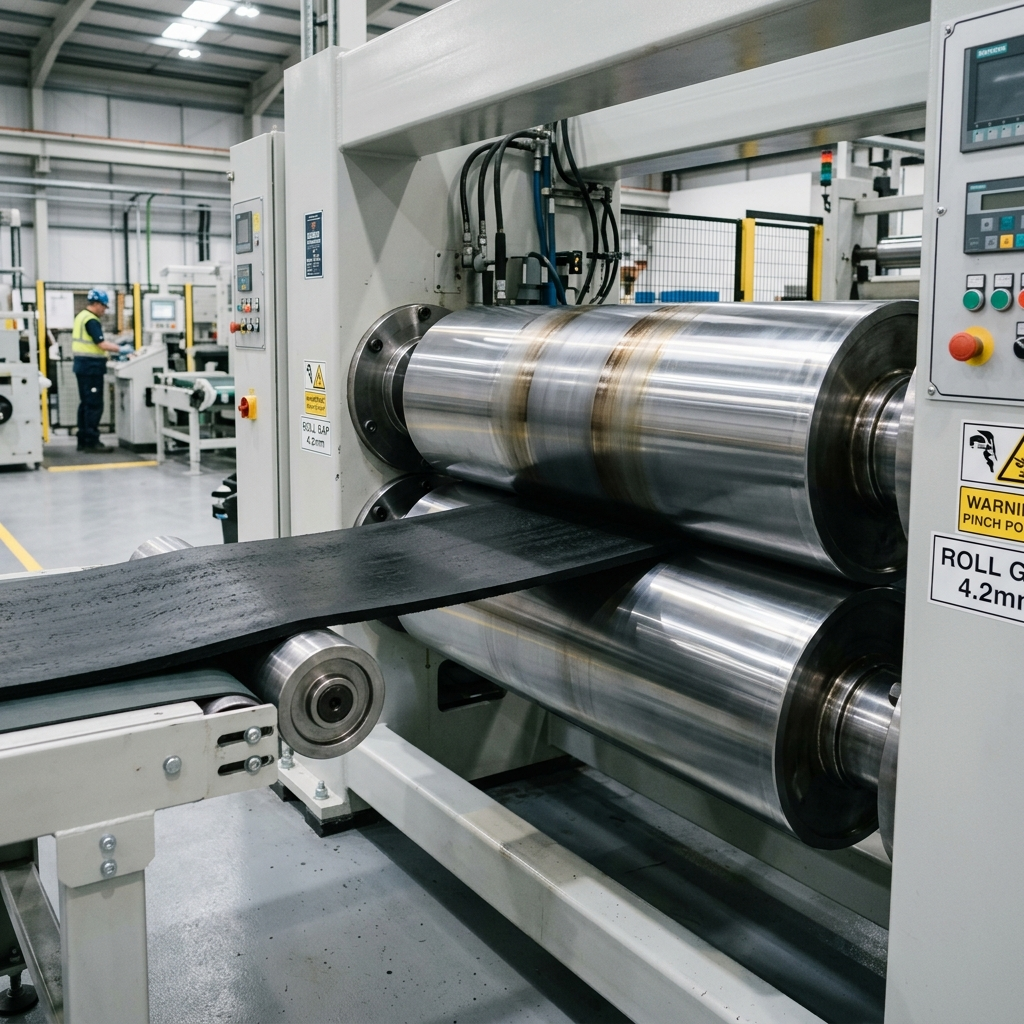
Calandering rollers for surface finishing

Calender Rollers

Rollers designed for guiding, rewinding and stabilizing the paper web, manufactured or refurbished to the specifications of a specific machine.
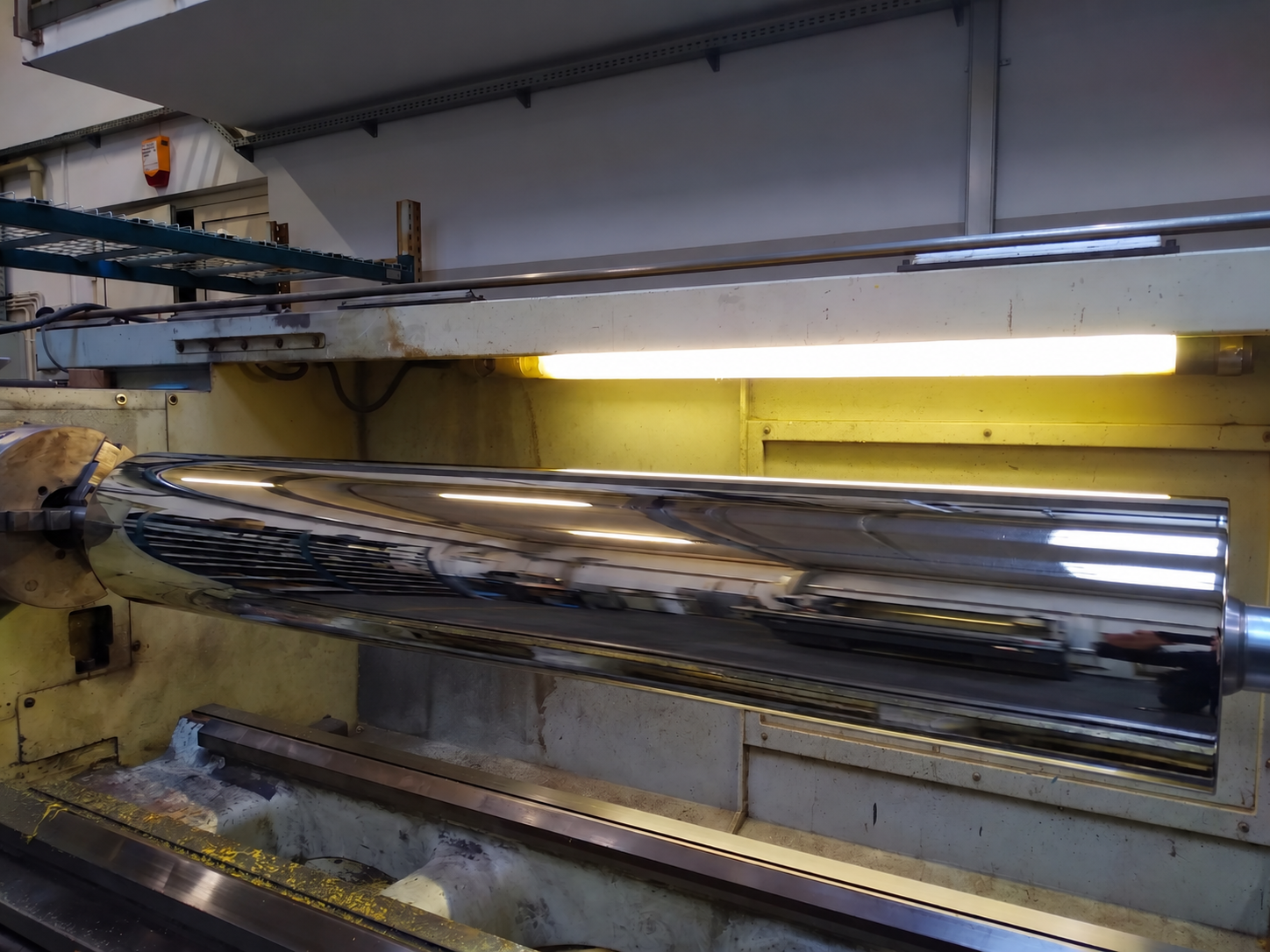
Paper Rewinding Rollers

Paper Rewinding Rollers

Rollers designed for guiding, rewinding and stabilizing the paper web, manufactured or reconditioned to the specifications of a specific machine.

Hard Chrome-Plated Metering Rollers

Hard Chrome-Plated Metering Rollers

Rollers for the controlled and uniform application of adhesive, paint, varnish, or other process media in industrial production lines.

Grinding rollers for industrial lines

Distributor Rollers

Rollers designed to distribute, homogenize and level a process medium across a material surface during production.
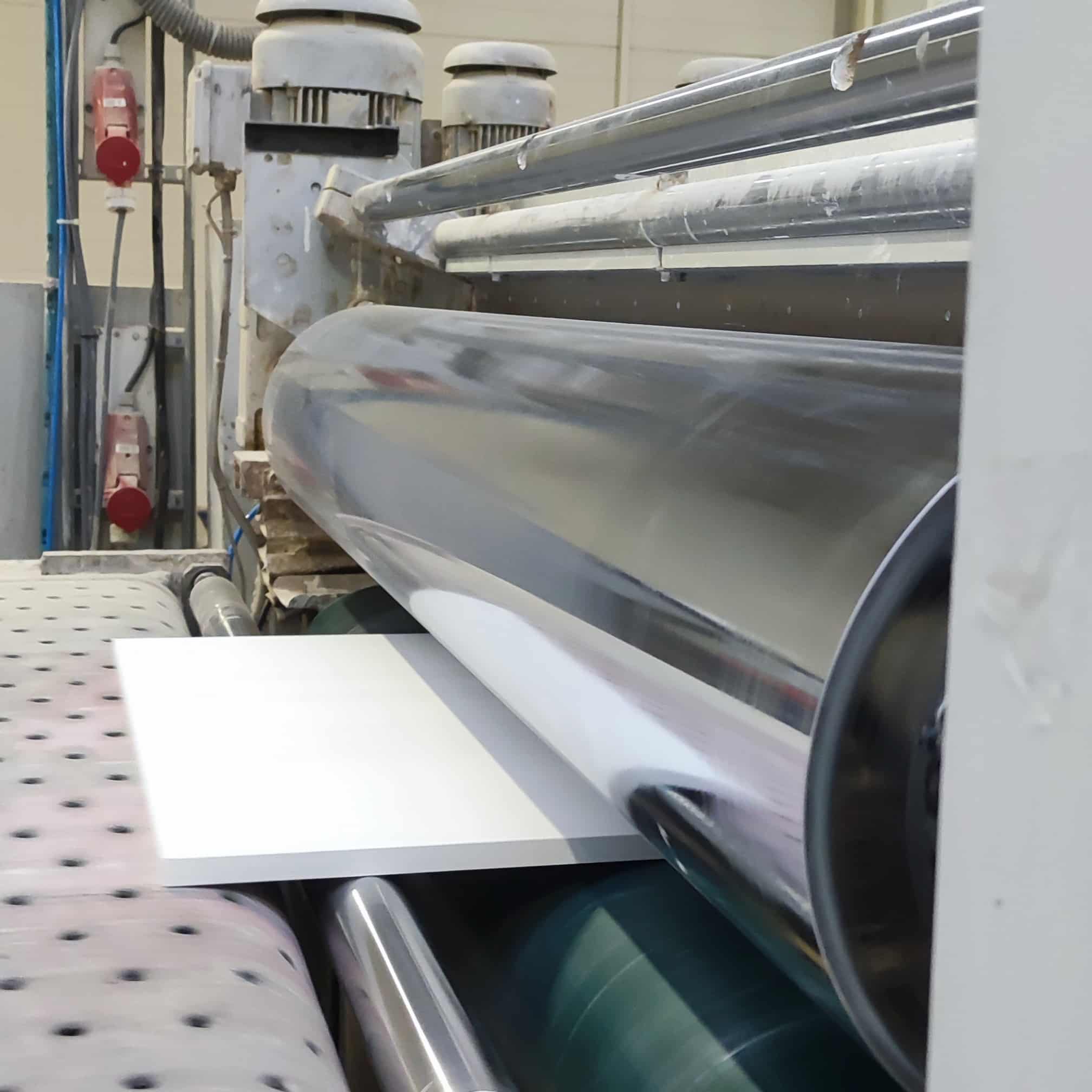
Heating and Cooling Rollers

Heating and Cooling Rollers

Rollers used for heating or cooling material, stabilizing temperature, and controlling the parameters of the manufacturing process.

Extrusion rollers for industrial applications

Embossing Rollers

Rollers designed to impart a specific pattern, texture, or structure to materials, manufactured in accordance with process requirements.
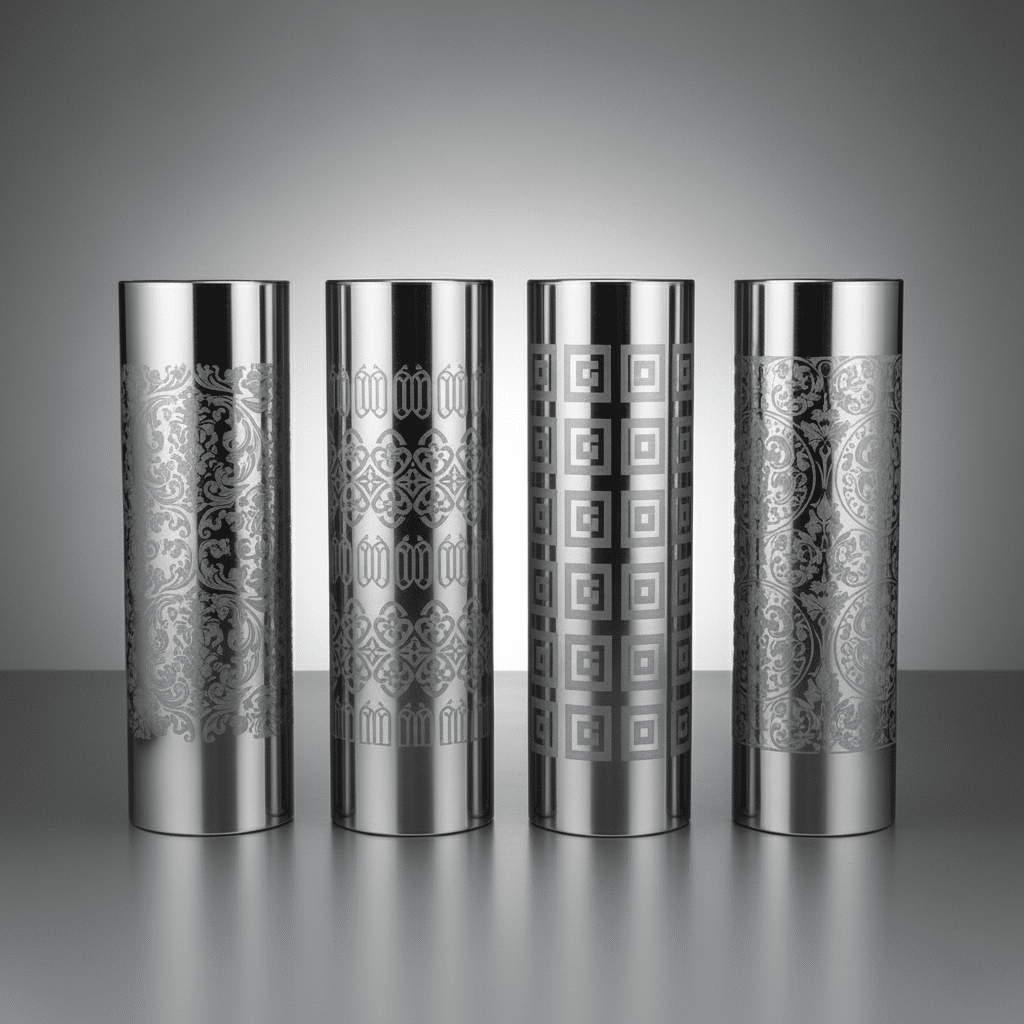
Gravure Cylinders

Gravure Cylinders

Cylinders for industrial gravure printing, manufactured and refurbished in accordance with the technical documentation and process requirements.

Manufacture and refurbishment of hard chrome-plated industrial rollers
SCOPE OF WORK

New Roller or Refurbishment of an Existing One?

We define the scope of work according to the component's condition, its function in the machine and the required working-surface parameters.

  • Manufacture of New Rollers to technical documentation or an agreed specification.
  • Refurbishment of used components after assessment of their geometry and surface condition.
  • Hard Chrome Plating of working surfaces requiring wear resistance.
  • Grinding and Polishing to the required geometry and surface roughness.
  • Final Inspection of dimensions, surfaces and manufacturing parameters.
Technical Data

Manufacturing Parameters for Hard Chrome-Plated Rollers

We define the manufacturing scope according to the roller design, its function in the machine and the required working-surface parameters.

Maximum diameter up to Ø 600 mm
Maximum length up to 6,000 mm
Maximum component weight up to 2,500 kg
Hard chrome layer thickness 10–200 µm, depending on the application and scope of refurbishment.
Hardness of the coating 850–1200 HV
Surface roughness Can achieve Ra 0.08–0.16 µm after appropriate grinding and polishing.
Runout Can achieve 0.02 mm, depending on the component's geometry and design.
Surface finishing Hard chrome plating, grinding and polishing to the agreed surface parameter.
Scope of Work Manufacture of new rollers and refurbishment of existing industrial components.
Basis for Execution Technical documentation, drawing, dimensions or a supplied sample component.
Important: the values shown describe our technological capabilities. We confirm the final manufacturing scope after reviewing the dimensions, design, roller condition and operating conditions.
Process

From Roller Assessment to the Finished Working Surface

We define the scope of work individually. The process differs for a new roller and for refurbishment of a component that has already operated in a specific machine and requires restoration of its geometry and working surface.

01 · VERIFICATION

Component Assessment

We review the documentation, dimensions, surface condition, geometry and required scope of work.

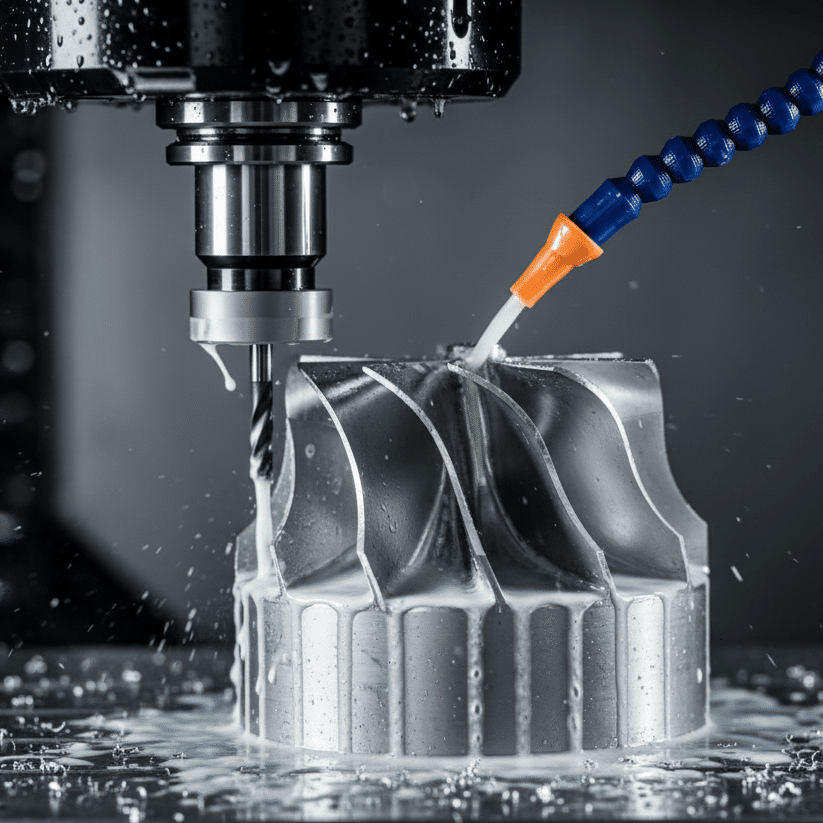
02 · MACHINING

Roller Preparation

Depending on the component's condition, we perform the necessary machining and prepare the surface for the next process stage.

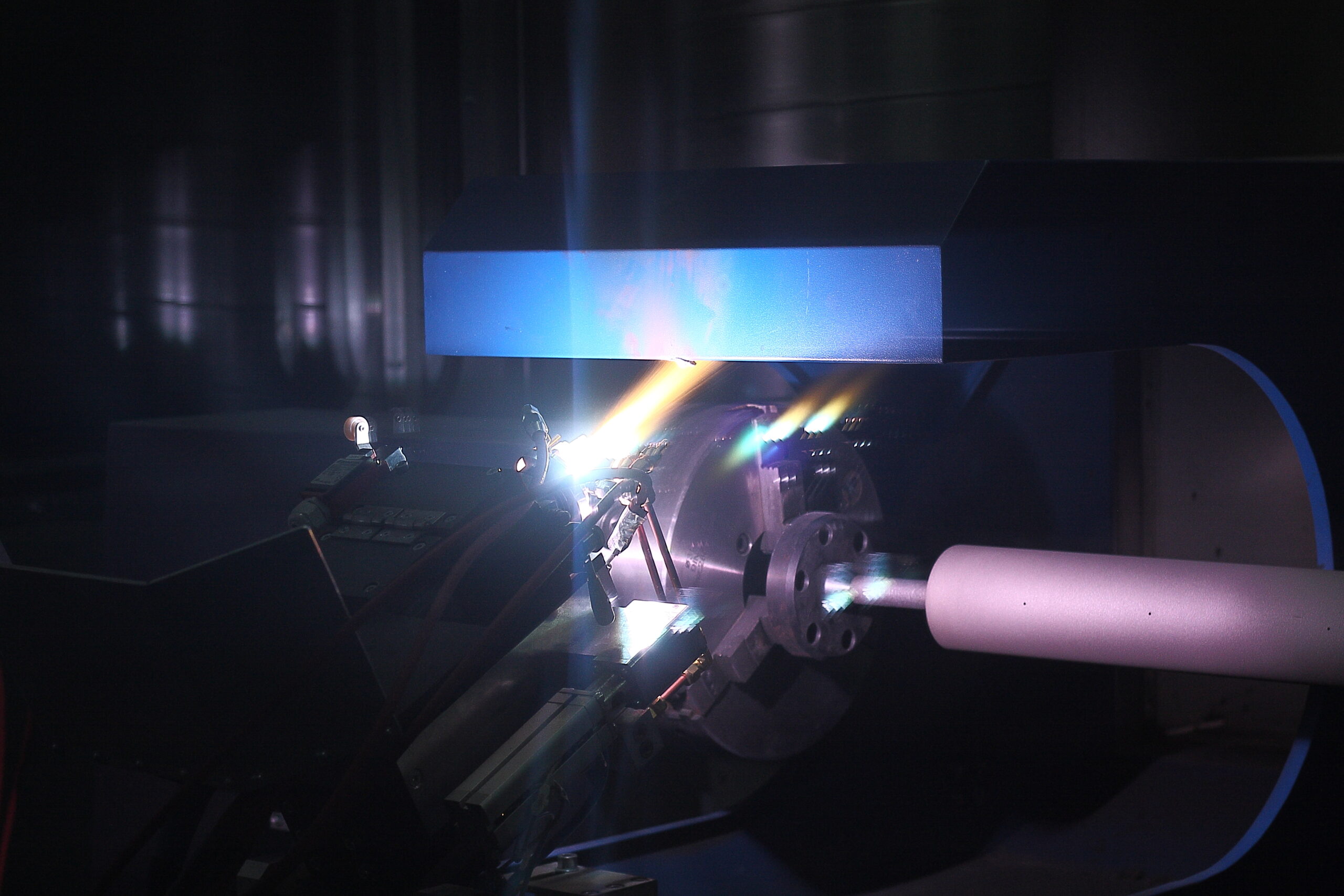
03 · SURFACE

Hard Chrome Plating and Finishing

We apply a hard chrome layer and then grind or polish the surface to the required parameters.

04 · INSPECTION

Final Verification

We inspect key dimensions, geometry and surface quality before releasing the finished roller.

Not every roller requires the same scope of work. We define the process after assessing the specific component, its function in the machine and the required final result .
Technical Decision

Refurbishment or a New Roller?

Not every worn roller needs to be replaced with a new one. We first assess the component condition, geometry, working surface and whether the required parameters can be restored.

Existing Component

When Is Refurbishment Worth Considering?

  • The roller structure remains in good condition.
  • Wear mainly affects the working surface.
  • The required geometry can be restored.
  • The journals and other components remain suitable for further service.
  • Refurbishment allows the existing roller design to be retained.
New Manufacture

When Is a New Roller the Better Solution?

  • Damage affects the structure or critical dimensions.
  • The required geometry cannot be safely restored.
  • The roller requires changes to its parameters or design.
  • The existing component does not meet the requirements of the current process.
  • Documentation is available that allows a new component to be manufactured.
We make the decision after assessing the specific component. Photos, basic dimensions, a technical drawing or the supplied roller allow us to determine which option is technically justified .
Quality Control

What Do We Check Before Releasing the Finished Roller?

A finished working surface is more than the hard chrome layer itself. Inspection covers the key parameters that are critical to correct roller operation in the machine.

  • Component dimensions in accordance with the documentation or agreed specification.
  • Working-surface geometry and its uniformity.
  • Roller runout to the level required for the specific application.
  • Surface roughness after grinding or polishing.
  • Condition of the hard chrome coating and the quality of the surface finish.
Final Result

Roller Ready for Reinstallation

The inspection scope depends on the roller type, its design and process requirements. We define critical parameters before work begins so that the final result matches the actual operating conditions.

Do You Have Your Own Inspection Requirements?
Send the technical drawing, tolerances or specification. We will take them into account when defining the manufacturing scope.
FAQ

Frequently Asked Questions About Hard Chrome-Plated Rollers

Key information about manufacturing new rollers, refurbishment, hard chrome plating and preparing a technical inquiry.

Do You Manufacture New Hard Chrome-Plated Rollers?

Yes. We can manufacture new rollers from technical documentation, a drawing, an agreed specification or data from an existing component.

Do You Refurbish Worn Rollers?

Yes. We determine the feasibility and scope of refurbishment after assessing the surface condition, geometry, design and critical roller dimensions.

What Hard Chrome Thickness Can Be Applied?

The typical technological range is 10–200 µm. We select the final thickness according to the surface function, scope of refurbishment and the requirements of the specific application.

What Surface Roughness Can Be Achieved?

After appropriate grinding and polishing, very smooth surfaces can be achieved, including Ra 0.08–0.16 µm, provided the component design and geometry allow it.

How Large Can the Rollers You Manufacture or Refurbish Be?

Our technological capabilities cover components up to 600 mm in diameter, 6,000 mm in length and 2,500 kg in weight. We assess each component individually before work begins.

What Should I Send for a Quote?

Ideally, send a technical drawing or basic dimensions, photos of the component, information about its application and a description of the problem or expected scope of work.

Can a Roller Be Reproduced from an Existing Component?

In many cases, yes. The supplied component can be used as the basis for measurements and defining the scope of new manufacture, but we confirm feasibility after assessing the specific roller.

Technical Inquiry

Do You Have a Roller to Manufacture or Refurbish?

Send a technical drawing, basic dimensions, photos or information about the roller's application. On this basis, we can determine the feasible manufacturing scope and next steps.