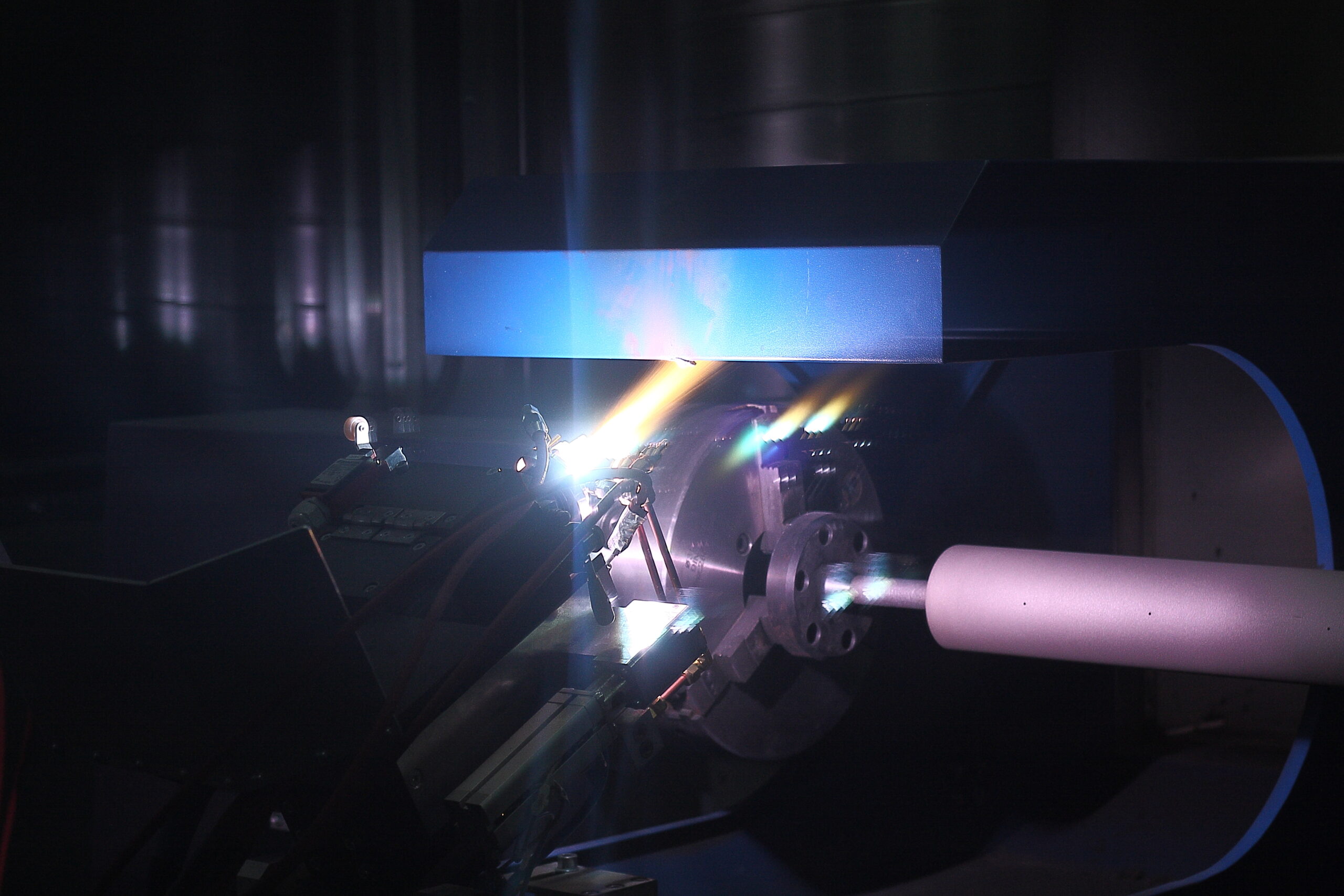










What is the process of technical chrome plating of shafts?
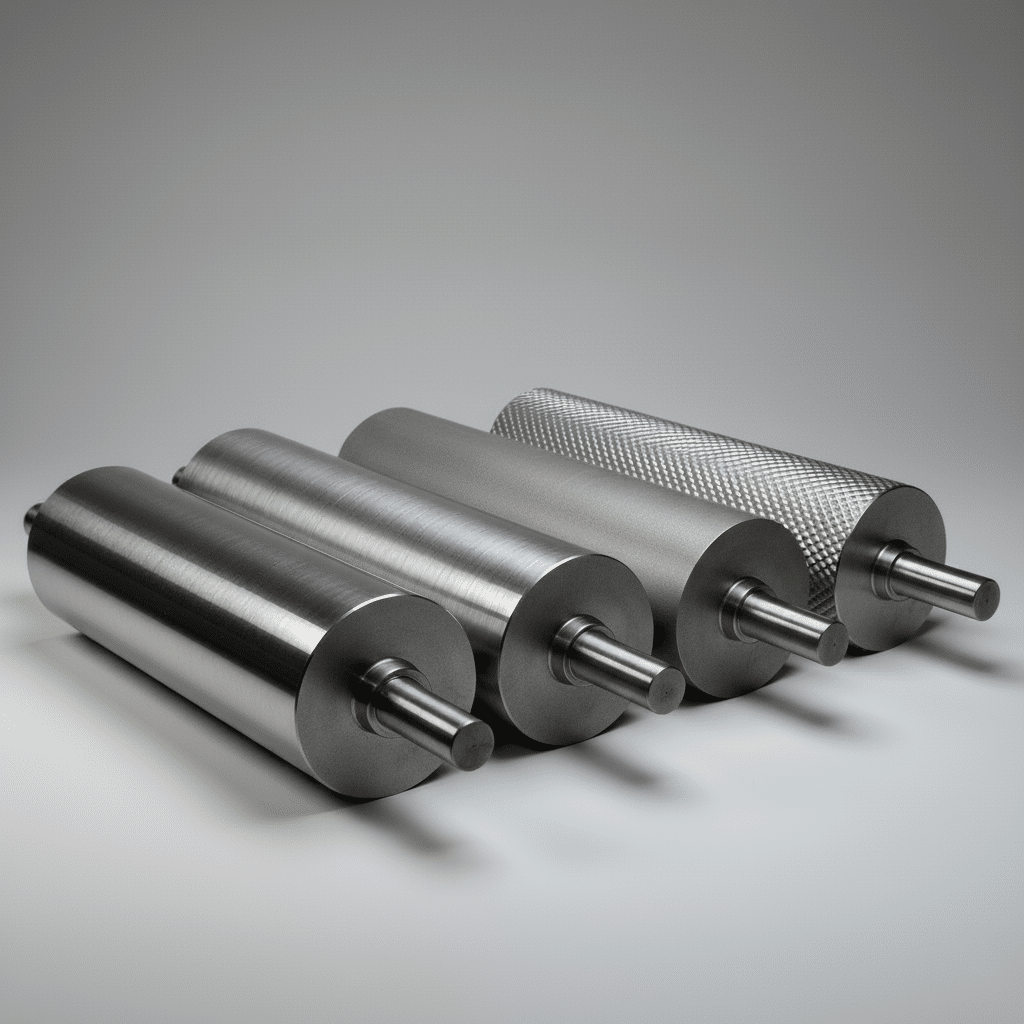
The basis of our technology is technical chrome plating, also known as hard chrome plating. This is a galvanic process in which the steel core of a roller is immersed in a specialized electrolytic bath. Under the influence of an electric current, a thick (from 10 to even several hundred micrometers) and extremely hard layer of pure chromium is deposited on its surface.
The process consists of several precisely controlled steps:
Substrate preparation: Each roller is carefully cleaned, degreased and chemically activated to ensure perfect adhesion of the chrome coating to the steel core.
Electrolytic deposition: The shaft goes into the electroplating bath, where under controlled conditions of temperature and current, the chromium layer builds up evenly.
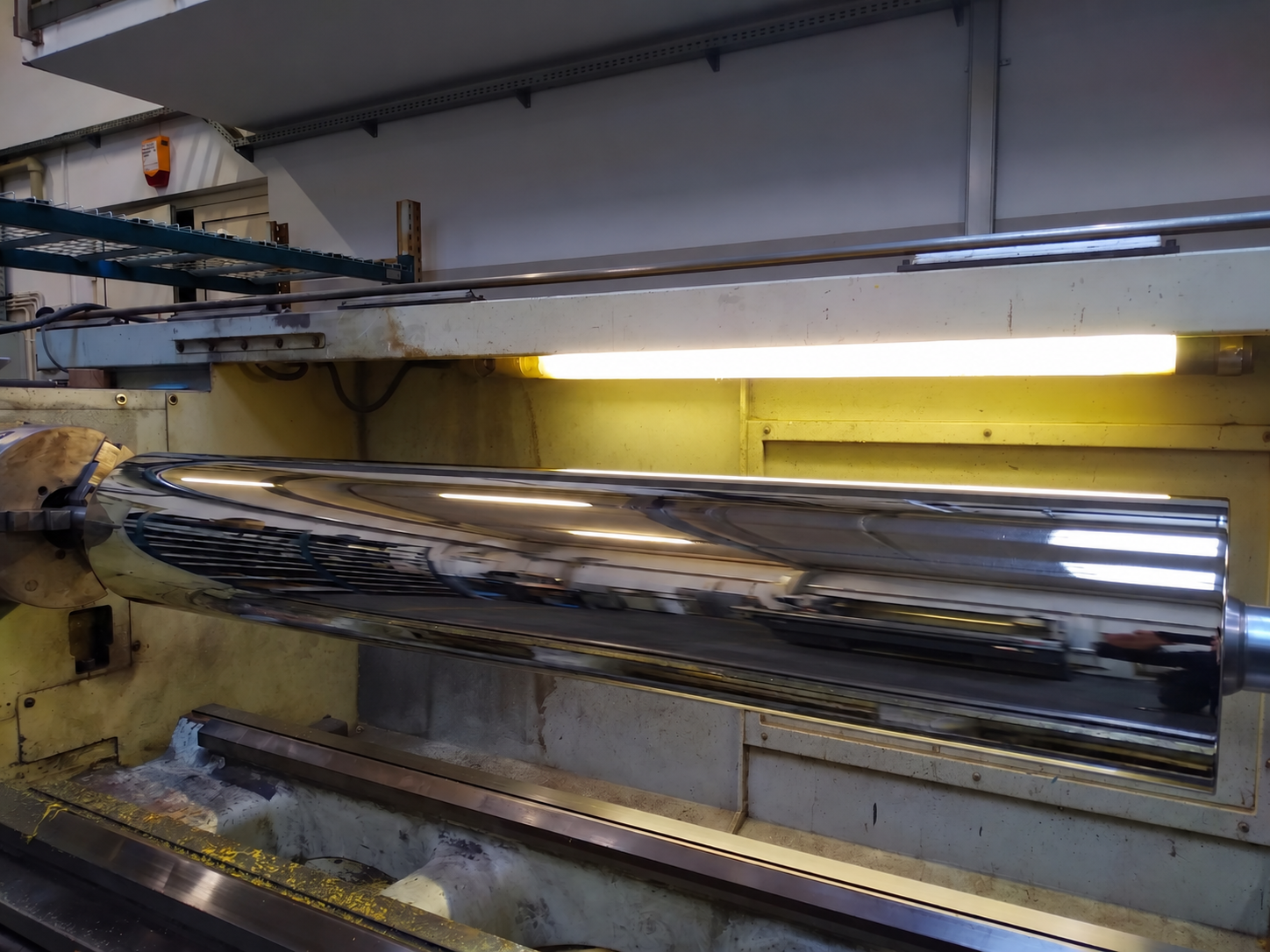
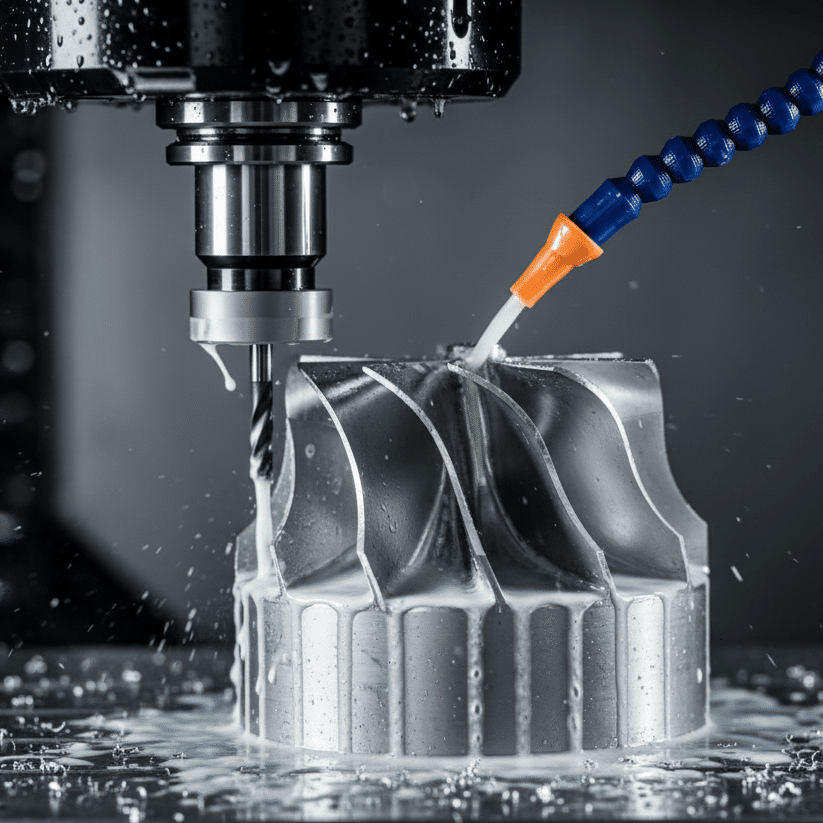
Finishing treatment: After the coating is applied, the roller is rinsed, dried, and then subjected to precision grinding and polishing. It is this step that gives it its final mirror-smoothness and ensures that strict dimensional tolerances are maintained.
Product catalog
Technical parameters of galvanized chrome rollers
Parameter | Specification |
|---|---|
Type of coating | Technical chrome (hard), electroplated |
Core material | Carbon steel (e.g., C45), alloy steel (e.g., 42CrMo4), stainless steel, cast iron |
Hardness of the coating | approx. 800-1000 HV (equivalent to about 60-70 HRC) |
Coating thickness | Standard: 10-150 µm; Regeneration: up to 4000 µm (4 mm). |
Roughness (Ra) | Standard: < 0.2-0.4 µm; Mirror finish: approx. 0.02-0.05 µm. |
Geometric accuracy | Radial runout: < 0.01 mm; Circularity: < 0.02 mm |
Thermal resistance | Stable operation up to about 200°C (maintaining hardness) |
Dimensions available | Diameters up to 800 mm, working length up to 6000 mm (or larger on request) |
Our chrome rollers are :
- Extreme Hardness and Abrasion Resistance: A coating of technical chrome with a hardness of up to 60-70 HRC (~1000 HV) repeatedly extends the life of the rollers, minimizing downtime and service costs.
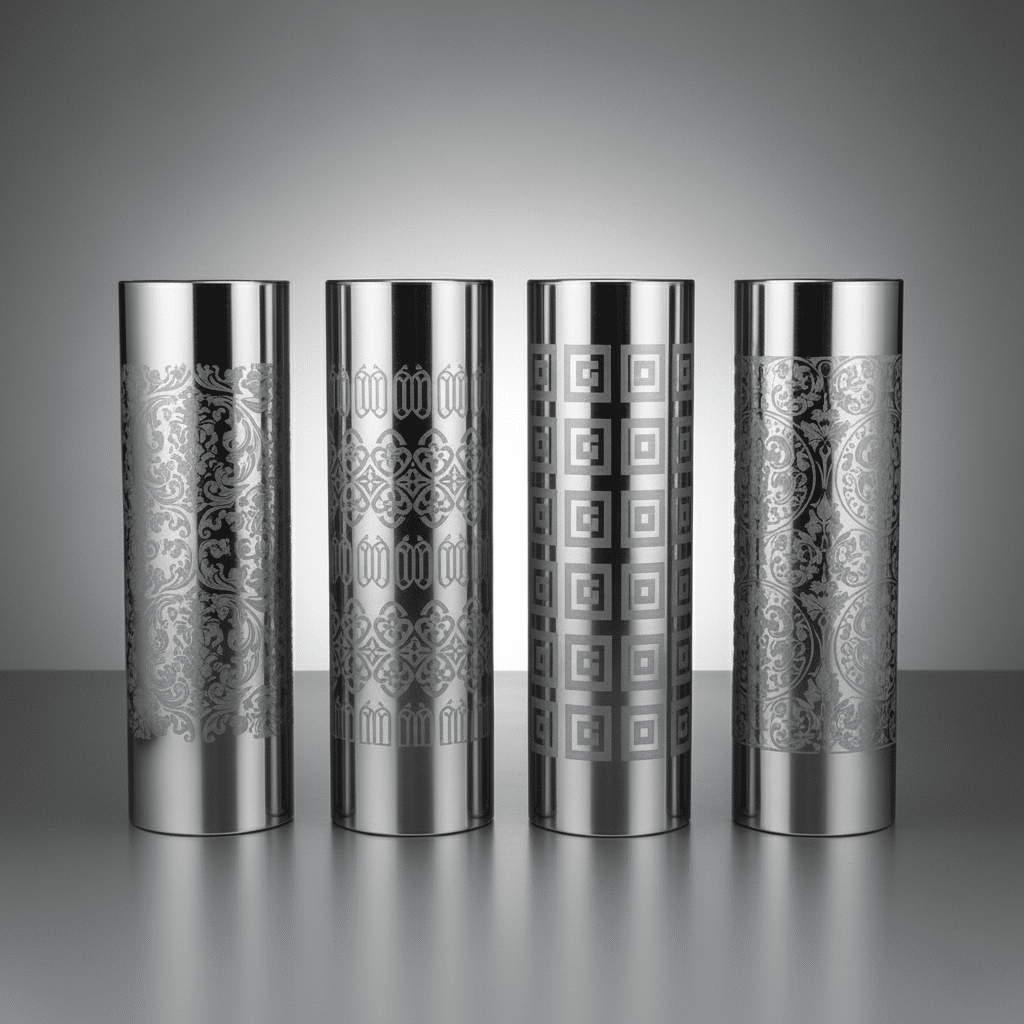
Perfectly Smooth Surface with Low Friction: Precision polishing produces a mirror-like surface (Ra as low as 0.02 μm), which prevents materials (adhesives, paints, plastics) from sticking and ensures smooth operation at high speeds.
Protection from Corrosion and Chemicals: The chrome layer provides an effective barrier against moisture, acids, alkalis and solvents, protecting the steel core and ensuring clean production processes.
High Dimensional Precision: We guarantee manufacturing within tight tolerances , with minimal radial runout (<0.01 mm), which is crucial to the quality of the final product in industries such as printing, lamination and metalworking.
Galvanic chromium plating of shafts in industrial applications
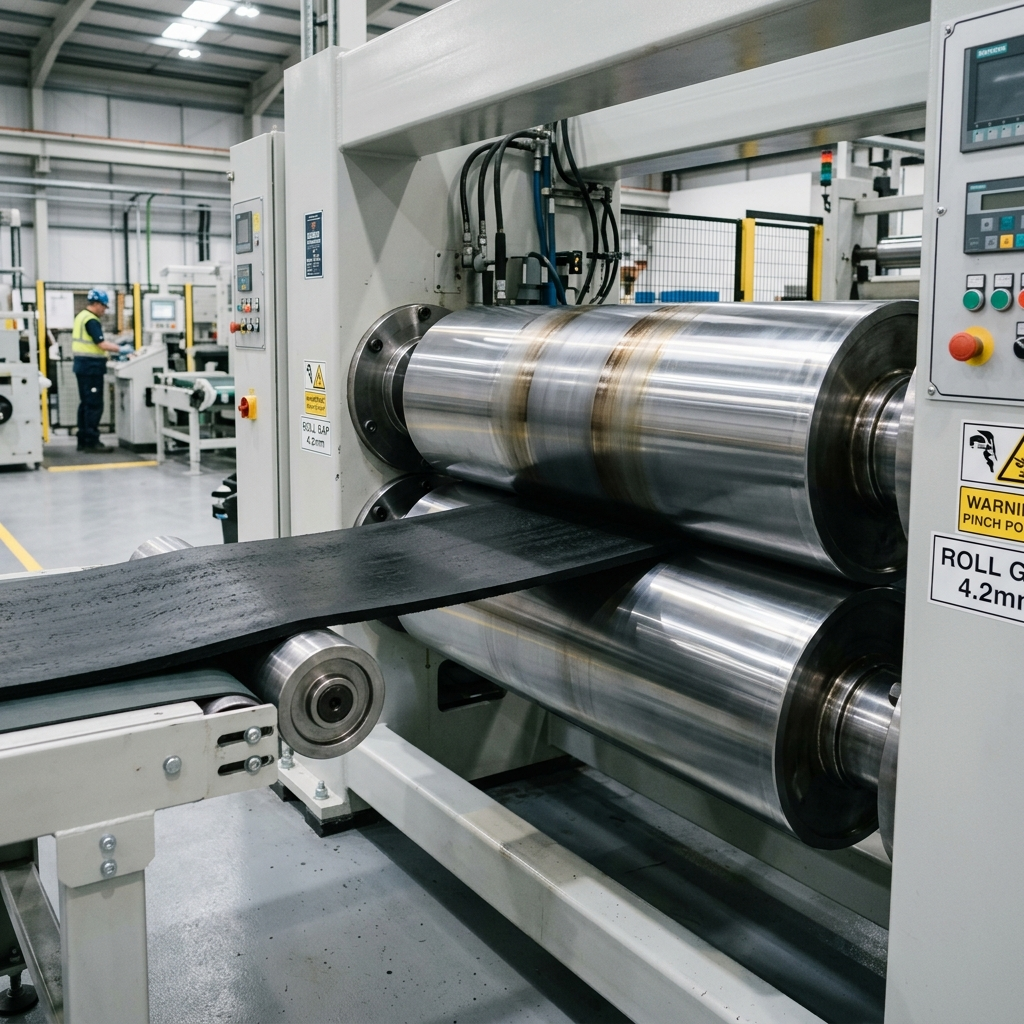
Thanks to their versatility, chrome rollers are an indispensable part of machinery in many industries:
● Printing and printing industry:
Ink, water and guide rollers in offset and flexo machines for perfect ink distribution and print cleanliness.
● Textile industry:
Conveying, heating and calendering rollers, resistant to fiber friction and chemicals used in finishing processes.
● Wood and paper industry:
Rollers that apply adhesives and varnishes, as well as calanders that smooth the paper, resistant to resins and high temperatures.
● Chemical and pharmaceutical industry:
Rollers in production lines, valued for corrosion resistance and ease of hygiene.
● Plastics processing:
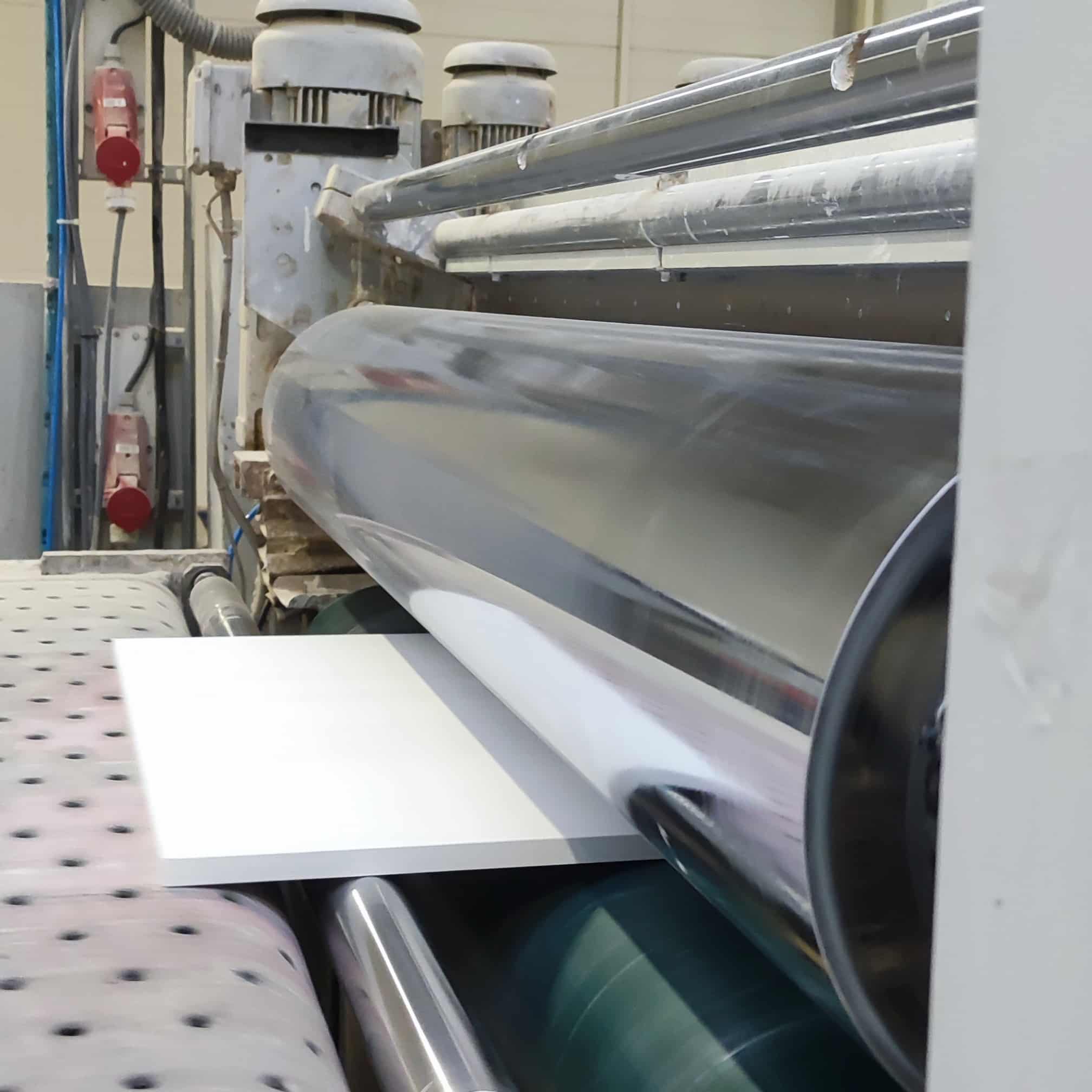
Rollers in calenders and laminators for film production, ensuring a smooth surface and uniform product thickness.
● Metalworking and metallurgy:
Straightening, guiding and conveying rollers in rolling, pickling or galvanizing sheet metal lines.
● Packaging industry:
Guide rollers in packaging machines and rewinders to ensure smooth transport of film and paper without risk of damage.
● Food industry:
Rollers in conveyors and dispensers that are chemically inert, resistant to food acids and easy to clean.
Properties that define the advantage of chrome rollers
Deciding on a product with a professional at its heart shaft chrome plating, you gain access to a unique combination of features:

Unparalleled toughness:
The hard chrome coating reaches a hardness of 800-1000 HV (about 60-70 HRC). It is harder than most hardened tool steels, providing phenomenal resistance to scratches, dents and abrasive wear, even when in contact with hard or abrasive materials (e.g. metal, paper, fibers).

Electrical conductivity:
The metallic nature of the coating allows it to effectively dissipate static electricity, which is crucial when processing film or paper, preventing dust from being attracted to the material and sticking together.

Chemical and thermal resistance:
Chromium is a corrosion-resistant metal. Our rollers can operate in humid environments, in contact with detergents, solvents or organic acids (such as in the food industry) without the risk of rusting. The coating retains its properties at temperatures up to 200°C, which allows it to be used in heating rollers, calanders or dryers. At the same time, excellent thermal conductivity guarantees even temperature distribution.

Low coefficient of friction and anti-stick properties:
The perfectly smooth, polished surface of chrome minimizes friction, resulting in lower energy consumption and quieter operation of machines. Moreover, chrome is a non-stick (non-stick) material. Adhesives, paints, varnishes, melted plastics or food residues do not permanently adhere to the surface of the roller, which dramatically facilitates cleaning and maintains the continuity of the production process.
Opinions of Our Customers
Lorem ipsum dolor sit amet, consectetur adipiscing elit.
Q&A- frequently asked questions about chrome rollers
What does the process of shaft chrome plating involve?
Banana roller (a.k.a. Curved Expansion Shaft) is a specialized component used in production lines whose function is to Stretching, stabilization and elimination of wrinkling of web material (e.g. film, paper, textiles). Thanks to its characteristic curved shape, the roller stretches the material transversely, smoothing out any creases or folds.
What is the hardness of the coating on chrome rollers?
What industrial applications are these chrome rollers suitable for?
Chrome rollers are used in the printing, plastic processing, textile, metallurgical, woodworking, paper, packaging, chemical, pharmaceutical and food industries, among others.
Can chrome rollers work with adhesives or paints?
Yes, the surface of chrome has non-stick (non-stick) properties, which prevents the permanent adhesion of sticky substances such as adhesives, resins, paints or melted plastics.
What materials are used to make roller cores?
We make cores from various grades of steel, depending on the application, including structural carbon steel (e.g., C45), improved alloy steel (e.g., 42CrMo4) and stainless steel.
What is the maximum operating temperature for a chrome cylinder?
The chrome coating retains its properties and hardness at operating temperatures up to about 200°C, which allows it to be used in heating processes.
Do you offer remanufacturing of used rollers?
Yes, we offer a reconditioning service, which involves removing the old, worn layer of chrome, applying a new one and restoring full functionality and nominal dimensions of the cylinder.
What are the maximum dimensions of the rollers you can produce?
We produce rollers with diameters up to 800 mm and working lengths up to 6,000 mm, with the possibility of making larger dimensions on special order.
What are the delivery options in Poland?
We arrange shipping throughout the country. Contact us to discuss details and available courier options.
Still have questions?
Contact our department. We will respond within 24 hours