










Industrial Surface Engineering
Tungsten Carbide Spraying (WC)
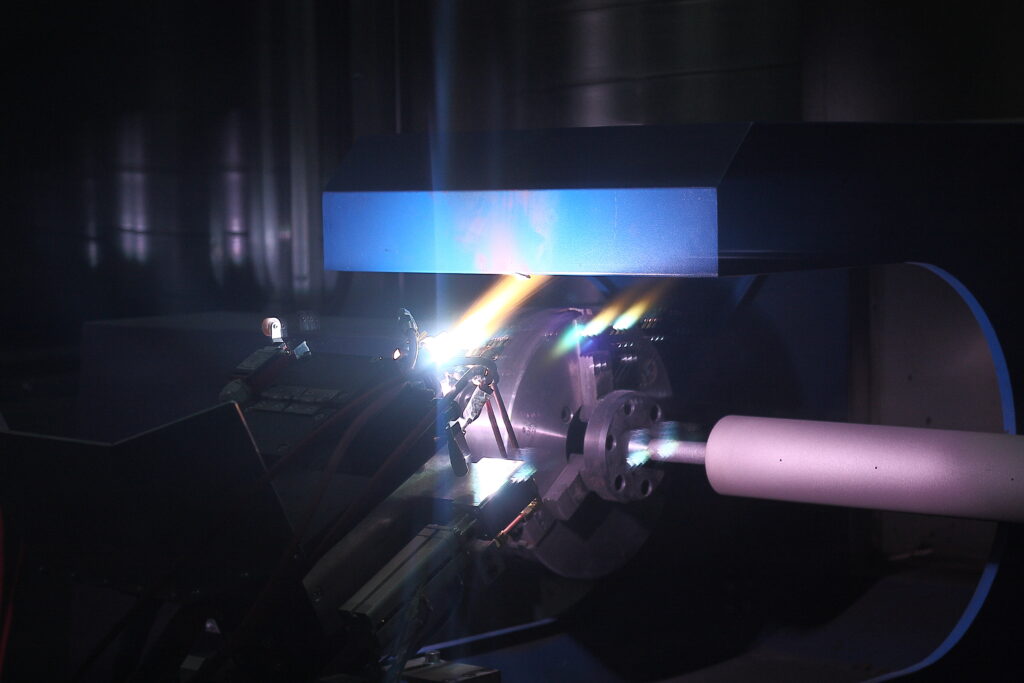
Tungsten carbide-based coatings for work surfaces exposed to abrasive wear. We determine the coating selection, substrate preparation, and final finishing based on the part’s geometry and its operating conditions.
Scope of Service
What does tungsten carbide coating involve?
We tailor the scope of work to the condition of the part, the surface geometry, and the operating conditions. We determine the surface preparation, the application of the coating, and the finish required for the finished part.
Substrate Preparation
We assess the condition of the surface and the base material. We select the method of preparation for spraying based on the part’s geometry and the planned coating.
Tungsten carbide coating application
We apply a tungsten carbide-based working layer. The coating material and the areas to be coated are selected to meet the requirements of the specific application.
Finishing
After spraying, the surface may require grinding or polishing. We determine the finishing work based on the final dimensions and the function of the working surface.
New Parts and Rebuilding
We consider coating new parts and refurbishing the surfaces of worn components. We confirm whether refurbishment is possible after assessing the condition of the substrate and the geometry.
Selection Based on Working Conditions
When should you consider a tungsten carbide coating?
The starting point is how the surface wears. A tungsten carbide coating is worth considering when a part loses durability due to abrasion, particle impact or working contact.
-
01
Work Surface Abrasion
When hard particles or the workpiece cause scratches and gradual surface wear. When selecting an abrasive, the type of abrasive and the contact conditions are important.
-
02
Particle-induced erosion
When particles carried by a stream of medium strike the workpiece and wear away its surface, we analyze the medium, the flow velocity, and the nature of the interaction.
-
03
Wear in sliding contact
When the mating surfaces of the parts wear down during motion. The selection takes into account the material of the other component, the contact pressure, lubrication, and the required surface finish.
-
04
Recurring wear after reconditioning
When the current coating wears out quickly again, it is worth considering a change in coating technology. First, we check the cause of the wear and the condition of the base part.
Coating Parameters
Technical Specifications for Tungsten Carbide Spraying
We determine the application parameters for each specific part. The coating composition, spraying technology, substrate condition, and requirements for the finished working surface are all important factors.
| Coating Material | Tungsten carbide (WC) in a metallic matrix. Examples of material systems include WC-Co and WC-CoCr. The composition specified in the order must be confirmed. |
|---|---|
| Application Technology | Thermal spraying onto the prepared surface. We confirm the method and process parameters after analyzing the coating material and the workpiece’s coating capabilities. |
| Hardness of the coating | The value depends on the material composition and the application process. We specify the requirement on a scale HV, with an agreed-upon measurement load. |
| Coating Thickness | Selected based on the application and the part's geometry. We distinguish between thickness after spraying and final thickness after machining. |
| Surface roughness | Required Ra We determine the finish based on the surface's function, contact conditions, and the requirements of the mating component. |
| Substrate and condition of parts | The following are evaluated: the type of base material, the condition of the surface, any damage, and the suitability of the substrate for coating. |
| Geometry and Dimensions | We verify the diameter, length, weight, and access to the surface to be coated based on the documentation or the part itself. Feasibility requires a technical evaluation. |
| Operating Conditions | The selection takes into account temperature, medium, and loads. Chemical resistance and the permissible temperature depend on the coating system selected. |
| Machining and Final Dimensions | Grinding or polishing—depending on the application’s requirements. We confirm the final dimensions and tolerances before production, taking into account the machining allowance. |
| New Parts and Remanufacturing | Both options are subject to evaluation. When it comes to remanufacturing, the key factors are the condition of the base part, the existing coating, and the extent of the damage. |
| Inspection and Documentation | We determine the scope of measurements and any required report based on the documentation and characteristics relevant to the part's function. |
The specifications apply to the finished system: substrate, coating, and finish
WC refers to a family of material solutions. The specific hardness, thickness, surface roughness, and permissible operating conditions should be based on the selected material and the agreed-upon manufacturing process.
Technology Selection
Tungsten carbide, technical-grade chromium, or Cr₂O₃?
Each of these coatings meets different requirements for the work surface. When making a selection, we consider the wear mechanism, load, working medium, and the desired result after final machining.
Carbide coating
Tungsten carbide (WC)
A material to consider for abrasive wear, particle erosion, and certain sliding contact applications.
- Hard tungsten carbide grains in a metallic matrix.
- Properties depend on the composition and spray coating technology.
- The finish is selected based on the part's function.
Metallic Coating
Hard Chrome
A solution for surfaces that require wear resistance, a smooth finish, or restoration of working dimensions.
- Electroplated chrome coating.
- Can be sanded and polished.
- Re-execution following the evaluation of the base component.
Ceramic Coating
Chromium oxide Cr₂O₃
A factor to consider when grinding and working with the medium, when a properly selected ceramic working surface is required.
- Plasma-deposited ceramic coating.
- Selection for a specific chemical environment.
- Assessment of the risk of impacts and localized overloads.
Scroll horizontally through the table to compare all the technologies.
| Criterion | WC (tungsten carbide) | Hard Chrome | Cr₂O₃ |
|---|---|---|---|
| Wear Mechanism | Abrasion, particle erosion and sliding wear — depending on the tungsten carbide coating system. | Wear on the working surface and sliding contact; the ability to restore the dimension. | Abrasion and contact with the medium when ceramics are used for the appropriate application. |
| Impacts and Pressures | The matrix, coating structure and support provided by the substrate are important. | Less brittle than Cr₂O₃ ceramics; still requires evaluation of pressures and support from the substrate. | The fragility of ceramics requires special consideration of impacts, point loads, and bending. |
| Medium and Corrosion | Resistance depends, among other factors, on the matrix composition and the quality of the coating application. | The protection of the substrate depends on the condition of the coating; microcracks and damage can allow the medium to penetrate. | Chemical resistance requires verification of the type of medium, its concentration, and its temperature. |
| Operating temperature | We define the acceptable range for the selected material and process. | An increase in temperature affects the properties and hardness of chromium. | We evaluate the operating range for the entire system, including temperature variations. |
| Final surface finish | Grinding or polishing suitable for a carbide coating. | Grinding, polishing, or honing, as specified in the scope of service. | Grinding and polishing tailored to the ceramic coating. |
| REFURBISHMENT | The possibility of removing the old layer and reapplying a new one requires a technical assessment. | Another cycle of chrome removal and surface restoration may be possible, if the condition of the part allows it. | The scope of the restoration depends on the condition of the base part, the existing coating, and the geometry. |
The selection process begins with the component and its operating conditions. The comparison outlines the evaluation criteria. We confirm the final selection of material, thickness, and finish for a specific application.
Manufacturing Process
From Component Assessment to the Finished Surface
Spraying is one stage in producing a tungsten carbide coating. We first agree the requirements and prepare the substrate, then finish the surface and verify the agreed characteristics of the completed part.
New Component
We'll start with the documentation, the substrate material, and the requirements for the work surface.
REFURBISHMENT
First, we assess the wear, the existing coating, and whether the base part can be retained.
-
01
Analysis and Definition of Requirements
We inspect the component’s function, dimensions, and surface wear. We determine the coverage area, operating conditions, and the required dimensions and finish after machining is complete.
-
02
Substrate Preparation
During the restoration process, we determine how to remove the worn layer and the scope of the necessary repairs. We clean the surface and prepare it for spraying, and we protect the areas that are not to be coated.
-
03
Applying the tungsten carbide coating
Apply the selected coating material to the prepared substrate. The coverage area and thickness after spraying take into account the part’s geometry and the allowance needed for subsequent finishing.
-
04
Machining to Specification and Surface Finish
If the application requires it, we perform grinding or polishing. We carry out the machining process taking into account the target geometry, surface roughness, and the required coating thickness after finishing.
-
05
Inspection and Preparation for Acceptance
We verify the specifications agreed upon for the order: dimensions, surface condition, and required coating parameters. We determine the scope of the measurement documentation in advance. After technical acceptance, we secure the part for transport.
Do you have any photos or a worn-out part? This is a good starting point for a preliminary assessment. Please include the basic dimensions and a description of the operating conditions along with them.
Submit a detail for review →Evaluation of the base component
Should we refurbish the existing part or make a new one?
Surface wear does not necessarily mean that the entire part must be replaced. First, we check whether the substrate and geometry allow us to reapply the working layer and achieve the required final dimensions.
Track 01 · Regeneration
Retaining the base part
We consider remanufacturing when a part can undergo surface preparation and recoating without losing its required structural properties.
- The substrate is suitable for further workThe condition of the material and the extent of the damage make it feasible to consider repair and surface preparation.
- The working geometry can be reconstructedOnce the worn layer has been removed, it is still possible to achieve the required dimensions and tolerances.
- Re-coverage is justifiedThe scope of repairs, the selection of a new coating, and the final finish are tailored to the component's operating conditions.
What We Agree On Before Implementation
The method for removing the old coating, necessary repairs, surface preparation, and the final dimensions after the tungsten carbide layer has been applied and finished.
Track 02 · New Version
New part as specified
We consider a new unit when the condition of the existing component or the application requirements do not justify further refurbishment.
- The condition of the subgrade limits the repairDamage, deformation, or insufficient material allowance make it difficult to ensure that the part functions as intended.
- We need a different geometryThe dimensions, installation method, or operating conditions are changing, and the current part does not meet these requirements.
- The scope of the restoration is too broadWe compare the technical assessment with the scope of work and the justification for constructing the new section.
What We Agree On Before Implementation
Documentation, base material, geometry, coverage area, and allowances required for coating application and final finishing.
Decision Following a Detailed Assessment
Photos and dimensions help kick off the analysis. Final qualification may require a visual inspection, measurements, or additional verification of the part's condition.
- Material and DamageCondition of the substrate, corrosion, cracks, and defects.
- Geometry and Material AllowanceDimensions after removing the worn layer and the possibility of further processing.
- Operating ConditionsCauses of wear, loads, working fluid, and temperature.
- Scope of the Entire ProjectMechanical repairs, coating, finishing, and acceptance requirements.
Would you like to assess the potential for regeneration? Please submit photos of the damage, basic dimensions, information about the current coating, and a description of the part's function.
Submit a detail for review →Quality Control
What do we check after applying the tungsten carbide coating?
We evaluate the finished surface against the requirements specified for the part. We determine the scope of measurements, inspection points, and acceptance criteria prior to production, based on the documentation and the component’s function.
- 01
Dimensions and Geometry
We verify the agreed-upon diameters, lengths, and geometric features. For rotary components, the scope may include runout as well as surfaces critical for assembly and machine compatibility.
- 02
Surface roughness after finishing
We check the required surface characteristics, such as the Ra parameter. We determine the measurement locations and conditions based on the function of the working surface and the requirements specified in the documentation.
- 03
Thickness of the applied coating
The method used to verify thickness is selected based on the coating material, substrate, and geometry. During acceptance, we distinguish between the layer immediately after spraying and the thickness remaining after final processing.
- 04
Surface condition and coverage area
The visual inspection covers the surfaces indicated, the edges, and any visible damage. We base our assessment on the agreed-upon scope and the condition of the work after completion.
Inspection Documentation
If a measurement report is required, we determine its scope before proceeding: identification of the part, the characteristics to be inspected, the measurement locations, and how the results will be recorded.
Transport Protection
After the inspection is complete, we protect the work surfaces from damage during packaging and transport. We tailor the preparation method to the geometry and weight of the component.
Additional tests require separate arrangements. An assessment of the hardness, adhesion, or structure of a coating cannot be based on visual inspection alone. Such requirements must be specified prior to application, along with the test method and any necessary sample preparation.
Technical Questions
Frequently Asked Questions About Tungsten Carbide Spraying
We have compiled information that will be helpful before evaluating the part and preparing a request for quotation. The selection of a coating begins with its intended use in the machine and the actual operating conditions.
What is a tungsten carbide-based coating?
This is a wear layer containing hard WC grains embedded in a metallic matrix. When applied to a prepared substrate, it can increase the surface’s resistance to specific wear mechanisms, including abrasion and particle erosion.
WC refers to a family of solutions. The base composition, coating material, and spraying method are selected based on the specific application.
Which parts can be coated with tungsten carbide?
Work surfaces of rollers, shafts, bushings, and other industrial parts may be submitted for evaluation. However, the name of the component alone does not determine whether it can be coated.
We verify the substrate material, geometry, dimensions, mounting method, and access to the surface to be sprayed.
Can a worn part be reconditioned with a tungsten carbide coating?
We evaluate this possibility on a case-by-case basis. Factors that are taken into account include the condition of the base part, the type of existing coating, the extent of the damage, and the dimensions to be achieved upon completion of the work.
Before making a decision, we determine whether it is possible to prepare the substrate and apply a new layer without compromising the required geometry and functionality of the component. We provide more details in the section Refurbishment or a new build.
Can tungsten carbide replace hard chrome or Cr₂O₃?
For certain applications, a change in technology may be worth considering. However, this decision is not based solely on the hardness of the coating.
We compare the nature of wear, pressure, impact, the working medium, temperature, and the required finish. We must also take into account the mating machine component. See comparison of tungsten carbide, hard chrome and Cr₂O₃.
What hardness and thickness can a tungsten carbide coating have?
We do not specify a single value for all tungsten carbide coatings. Hardness depends on the material and application process, while the permissible thickness also depends on the part’s geometry and operating conditions.
When making specifications, we distinguish between the thickness after spraying and the final thickness after grinding or polishing. We confirm the requirements and the method for verifying them before proceeding. See scope of technical findings.
Does the surface require post-spraying treatment?
The extent of the finish depends on the surface's function. If a specific dimension, tolerance, or surface roughness is required, the process may include grinding or polishing appropriate for the carbide coating.
It is a good idea to communicate the final requirements before spraying so that the necessary machining allowance can be taken into account.
Is a technical drawing required for the preliminary assessment?
All you need to get started is some photos, basic dimensions, and a description of the part’s function. When it comes to refurbishment, close-up photos of the damage and information about the current coating are particularly helpful.
Technical documentation makes it easier to determine tolerances and final dimensions. If it is not available, we will determine what additional data or measurements will be needed.
What do I need to send to get a quote?
Please submit the available information:
- drawings or photos, as well as the part's basic dimensions,
- base material and the area to be covered,
- the condition of the current coating and a description of wear and tear, with regard to restoration,
- medium, temperature, loads, and operating conditions,
- required final dimensions, surface roughness, quantity, and expected delivery date.
We will confirm the scope of work, price, and ability to meet the deadline after reviewing your inquiry.
RELATED PRODUCTS AND SERVICES
Related Options for Your Application
Compare coating technologies or review the manufacturing and preparation options for the entire part. Choose a solution based on the surface requirements and the scope of work needed.
-
 Service
Comparison of Coatings
Hard Chrome Plating
Check out this metallic coating for work surfaces, as well as for the restoration and reconstruction of workpiece dimensions.
View the service -
Service
Comparison of Coatings
Cr₂O₃ Plasma Spraying
Discover a ceramic work surface designed for grinding and contact with a properly selected abrasive medium.
View the service -
 Product
Complete component
Precision Rollers
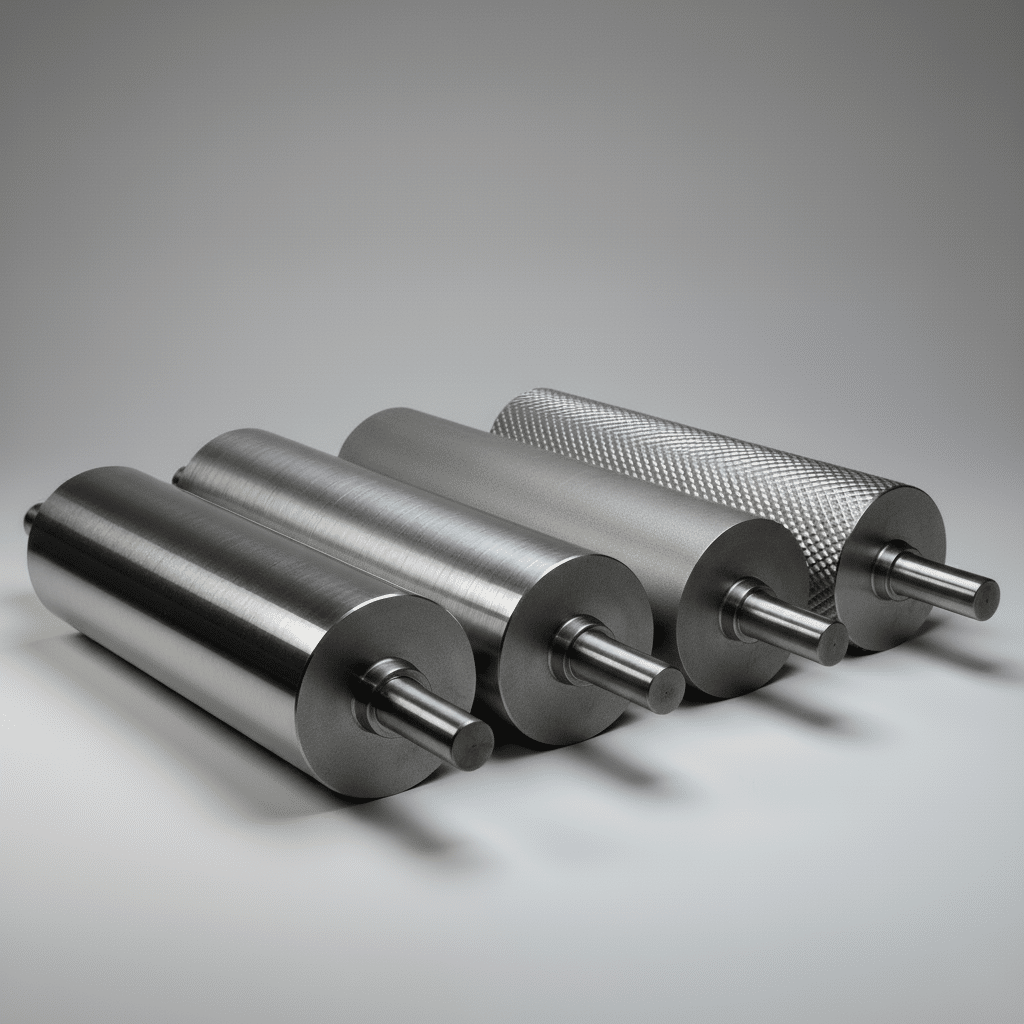
Check that the roller is manufactured in accordance with the documentation, with the geometry and surface finish suitable for use in the machine.
View product -
 Service
Component Machining
CNC Turning of Parts
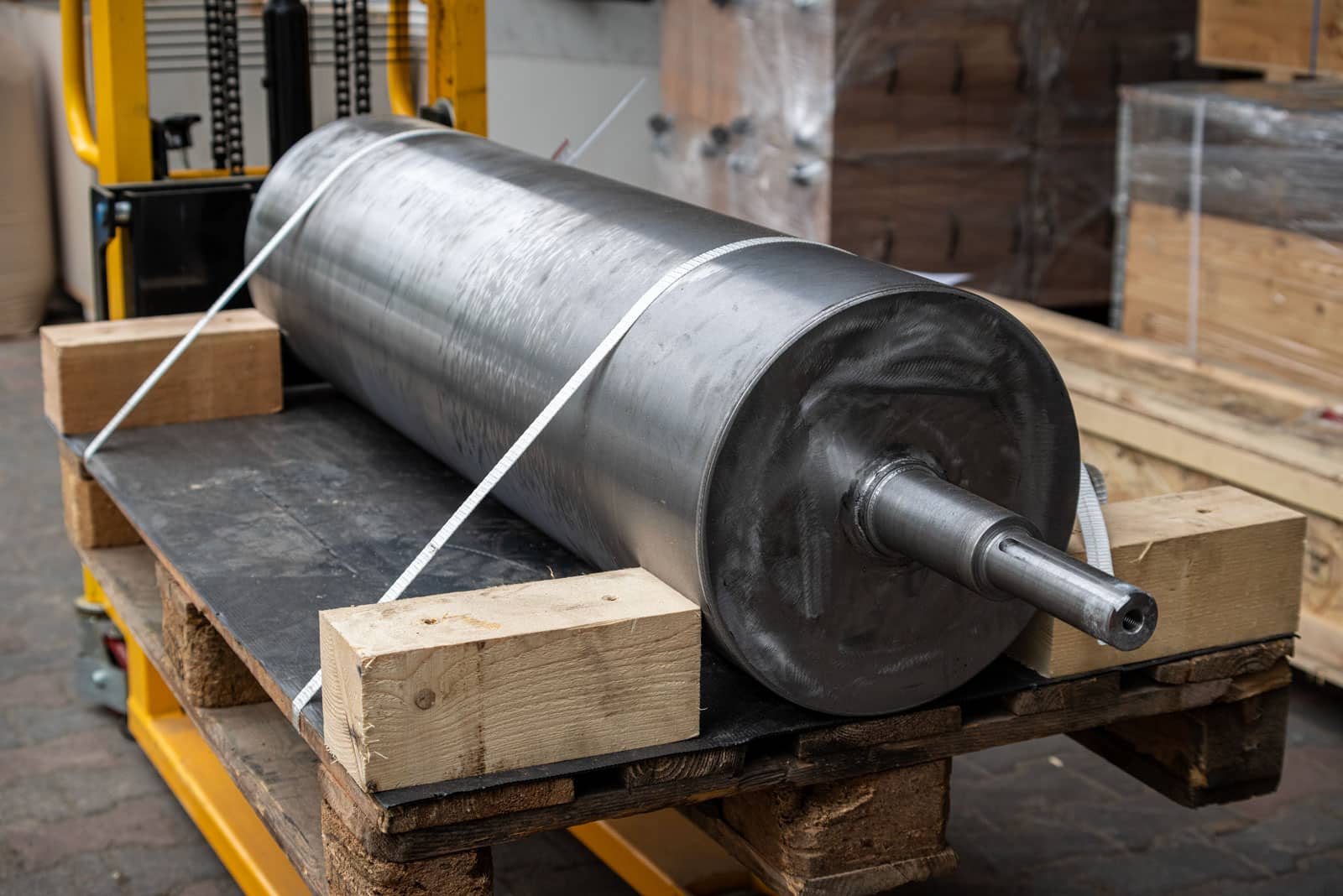
Learn about the machining of shafts, bushings, and other rotating parts when the job also requires geometric preparation.
View the service
TECHNICAL ENQUIRY
Do you have a part that needs to be coated or refurbished?
Please provide information about the component and how it functions within the machine. Based on this information, we will assess the feasibility of applying a tungsten carbide coating, the necessary surface preparation, and the scope of the final finishing process.
Don't you have all the documentation?
Start by providing photos, basic measurements, and a description of the wear and tear. We'll determine what additional information or measurements will be needed for further evaluation.