









New anilox
An anilox roll or sleeve designed for a specific machine, medium and substrate.
An anilox roll controls the transfer of ink, varnish, adhesive or another medium. PROEXPORT supplies new ceramic anilox rolls and sleeves, provides refurbishment services and prepares roller bodies for subsequent engraving.
new ceramic Anilox rollers and sleeves,
refurbishment including inspection of the working surface, journals, bearing seats and roller body,
roller bodies and blanks prepared for subsequent engraving for machine manufacturers.
Rotate the roller, zoom in on the model, and select the active point. The cross-section mode spreads the structural layers apart, so that you can see the raster surface, the intermediate layer, and the steel body.
The specifications of an anilox roll or sleeve should not be selected solely from the product name. The medium, substrate, machine design and intended application method must also be considered. .
| Component type | Anilox roll, anilox sleeve or roller body/blank prepared for subsequent engraving. |
|---|---|
| Work surface | A ceramic working surface with an engraved cell pattern. |
| Scope of Services | New components, refurbishment of worn anilox rolls and sleeves, and manufacture of roller bodies for subsequent processing. |
| Line count | For a standard hexagonal structure: 40–600 lines/cm. The specific parameter is selected based on the application. |
| Cell geometries | Hexagonal, hybrid, directional and open cell geometries, selected according to the medium and required transfer volume. |
| Supported Media | Paints, varnishes, adhesives, and media used in impregnation processes. |
| Refurbishment | Inspection of the ceramic surface, housing, journal, and bearing seats before determining the scope of work. |
The scope of work is determined on a case-by-case basis. The scope of work is determined individually. Line count, cell volume and cell geometry should be selected according to the medium, substrate, machine and process requirements.
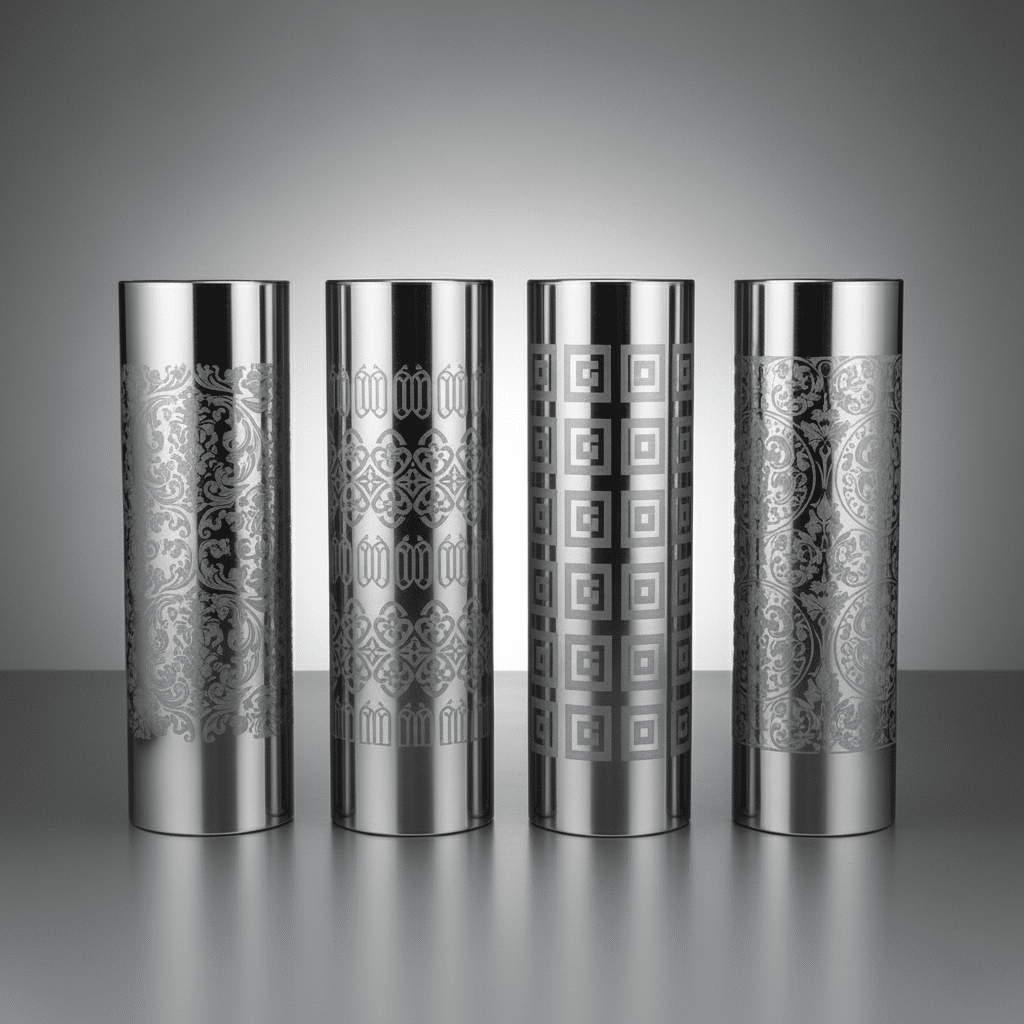
An anilox roll or sleeve designed for a specific machine, medium and substrate.
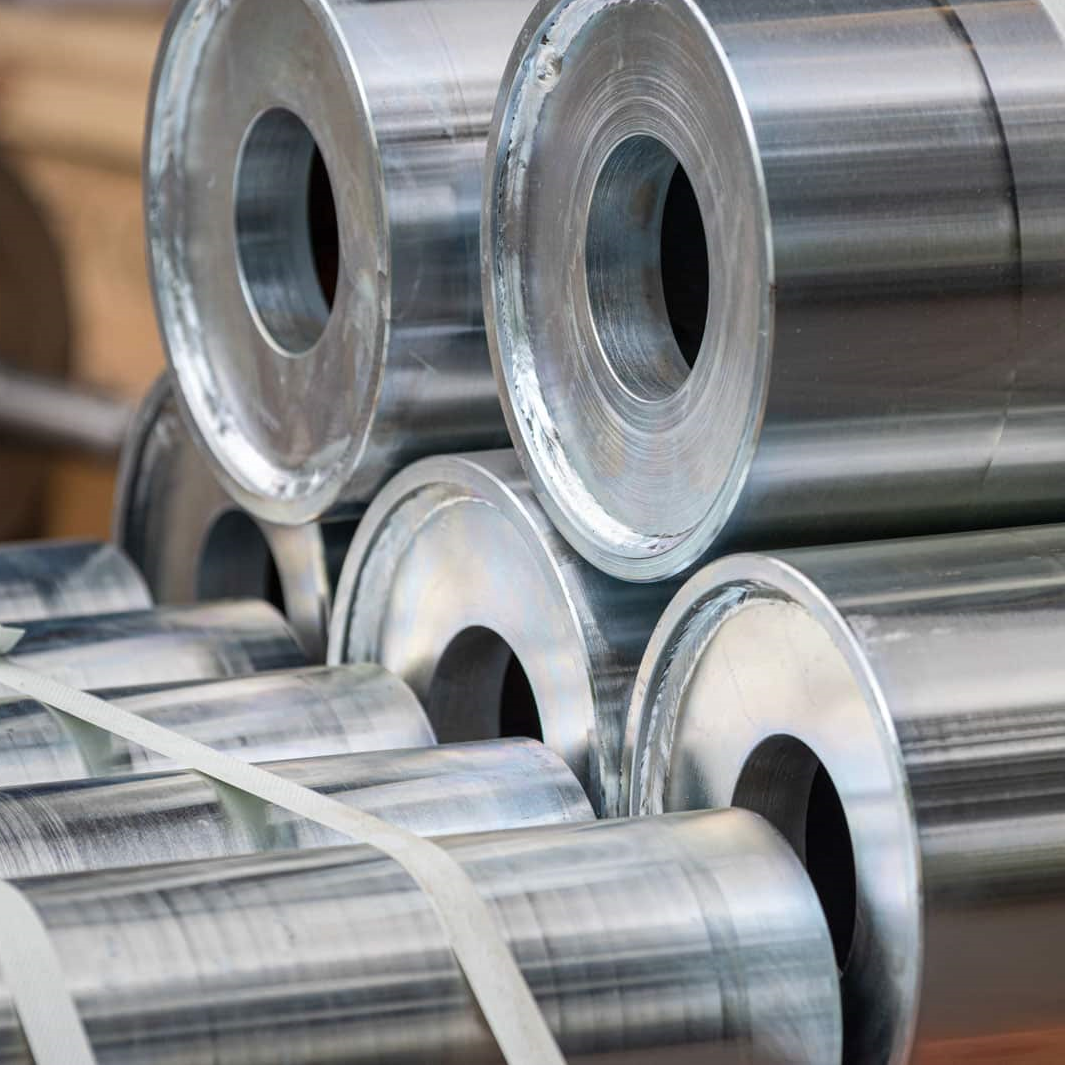
Inspection of the ceramic surface and metal part before recommending the scope of work.
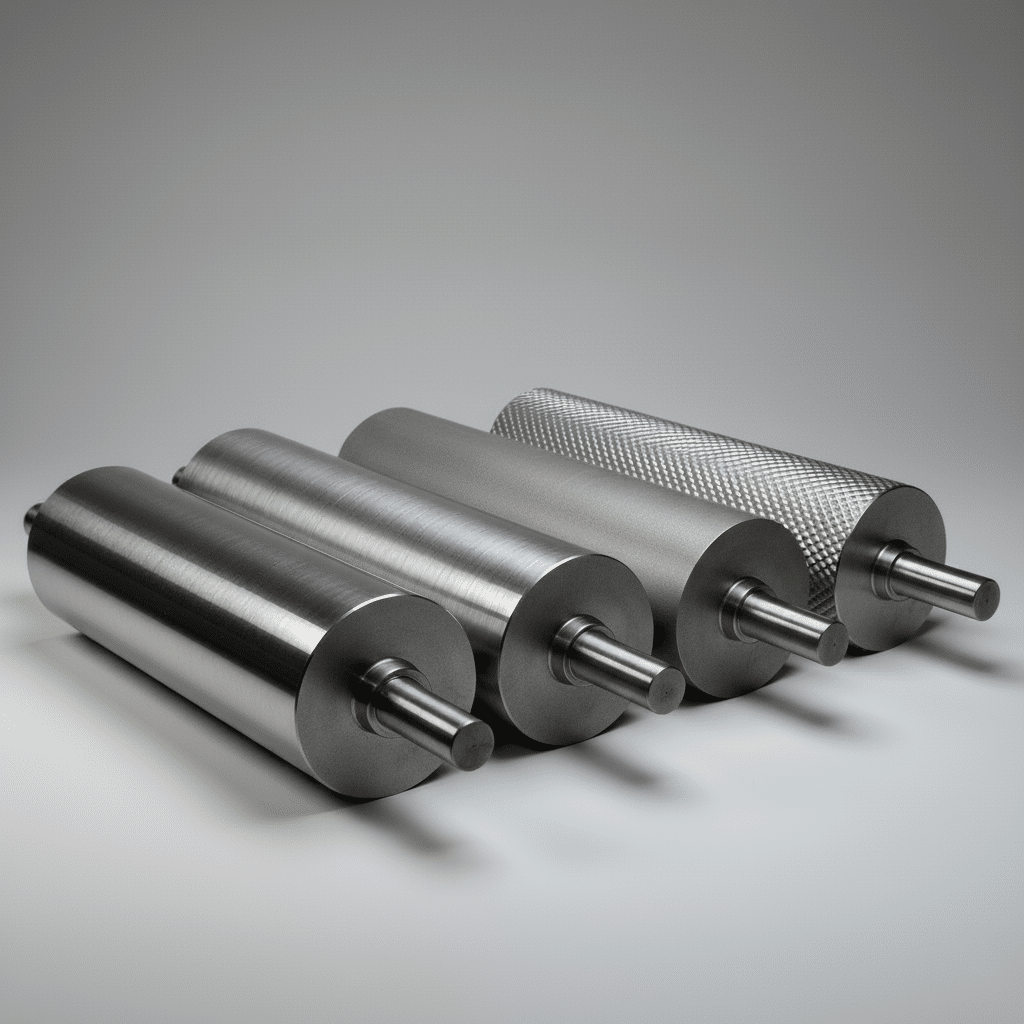
A metal roller blank prepared for machine manufacturers or companies performing subsequent processing.
The anilox roller is one of the factors that influence the amount and manner of ink transfer. The selection must take into account not only the screen size, but also the machine, the substrate, and the operating conditions.
The selection of line spacing, capacity, and grid structure is one of the factors affecting consistency of the application of paint, varnish, adhesive, or impregnating agent.
UV ink may require one screen geometry, high-gloss varnish another, and yet another glue, white, or a high-viscosity medium.
When it comes to restoration, it's not just the ceramic surface that matters. We also check housing, bearing journals, and bearing seats, before the scope of work is determined.
The scope of delivery may also include just the body. In such an order, the most important factors are geometry of the metal part, assembly dimensions, and preparation for further machining.
Anilox rolls can be used to transfer ink, varnish, adhesive, or a soaking agent. The parameters of a raster surface must be adjusted to the specific process, medium, and substrate.
The anilox roll operates in a metering system that transfers a defined quantity of ink . to the next component of the printing unit.
Anilox rolls and sleeves are used on production lines processing labels, corrugated board, cartonboard and packaging films. .
The scope of delivery may include just the metal body or the anilox base, intended for further processing and engraving.
In this application, the anilox roller does not function as a printing element. It is responsible for controlled application of the agent used to saturate the filter.
A worn-out screen may be just one of the problems. Before determining the scope of the reconditioning, we also inspect the housing, journal shafts, and bearing seats.
We determine which machine the anilox is used in, what medium it carries, and what problem has arisen in the process.
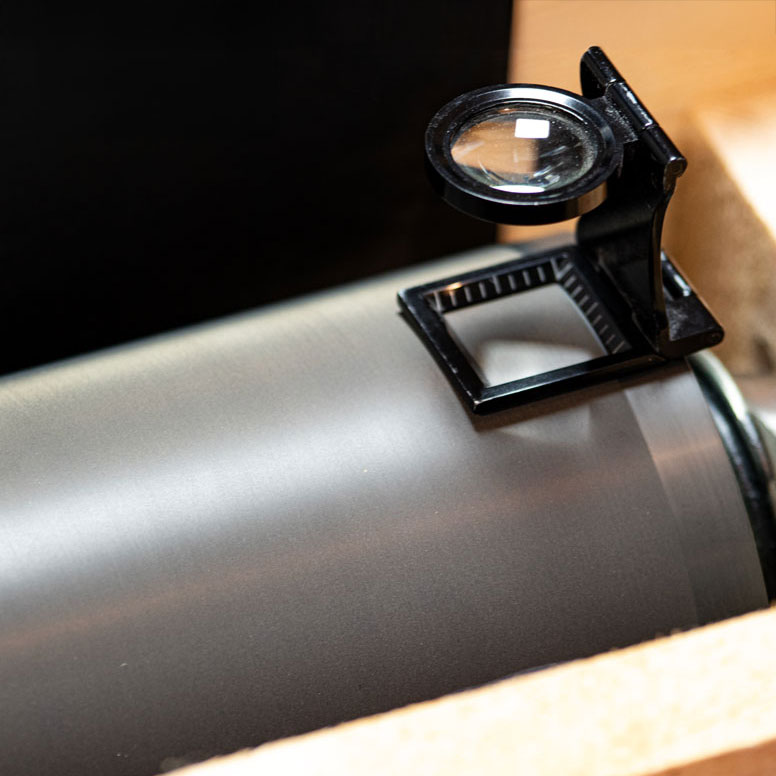
We inspect the condition of the ceramic layer and the screen, checking for visible damage and areas of surface wear.
The inspection covers the roller body, journals and bearing-seat areas, not only the engraved working surface. ..
Based on the component’s condition, we determine whether refurbishment, repair of the metal part or manufacture of a new anilox roll or sleeve is justified.
The scope may include preparing the body, working on the metal part, and creating a new ceramic surface with a pattern meeting specified parameters.
A worn surface does not necessarily mean that a new part needs to be made. The condition of the entire shaft or bushing, the ability to restore its geometry, and the requirements of the specific application are all important factors.
We consider this option when The metal part allows for the safe completion of the next phase of work.
What are the benefits of regeneration?We consider a new version when the technical condition of the component or A change in process requirements diminishes the value of regeneration.
What are the arguments in favor of the new feature?A raster image alone may not be enough. To make an assessment, you also need information about the body, the spindles, the assembly, the machine, and the task performed by the anilox roller.
A problem visible on the printout or coating does not necessarily result solely from the halftone screen. That is why, before making a recommendation, we check the application, the condition of the surface, and the metal part of the component.
The starting point is medium, substrate, machine design and expected transfer, not just the name "anilox.".
The restoration analysis covers more than just the ceramic and the raster. We also check housing, journals, and areas that interface with the bearings.
The scope may include a new shaft, a new sleeve, remanufacturing or preparation of the metal housing for the next stages of production.
Before preparing a quotation, we identify the information and measurements required. This allows the enquiry to cover a defined scope of work rather than only replacement of the working surface. a specific scope of work, rather than just replacing the surface.
You don't need to know all the raster parameters. The available data will help you determine what else is needed before preparing a quote.
The final scope of work depends on the component design and application. The answers below will help you prepare the information required for technical analysis and quotation.
It is helpful to provide the basic dimensions, machine type, installation method, type of medium, substrate, and the expected outcome of the process. In the case of refurbishment, it is also worth including photos of surfaces, journal shafts, and bearing seats.
The analysis can be started without a complete raster specification. In that case, you will need information about the medium, the substrate, the machine type, and the anilox function. Based on this, you can determine, What additional data or measurements are needed before a quote can be provided.
No. Whether it can be repaired depends on the condition of the ceramic surface and the entire metal part. Before making a decision, you need to assess housing, journal shafts, geometry, and bearing-engaging surfaces.
A new version may be more appropriate when the body is damaged, the required geometry cannot be reproduced, or process conditions have changed. This also applies to situations in which A different design, assembly method, or work surface is needed.
The condition of these areas is inspected before the scope of work is determined. If a metal part requires repair, the scope of that repair should be included along with the work on the work surface. Whether a repair is possible ultimately depends on the condition of the specific part.
The scope of delivery may include a metal body or a base prepared for subsequent production stages. In this case, the following are key: installation dimensions, geometry, documentation, and requirements for further processing.
Raster rollers and sleeves can be used with paints, varnishes, adhesives, and media used in impregnation processes. Surface parameters should be selected to the viscosity of the medium, the substrate, the machine, and the expected method of transfer.
Photos provide a starting point for the analysis, but they are not always sufficient to confirm the final scope of work. Depending on the case, additional measurements, documentation or direct inspection of the working surface and metal part may be required. .
See solutions that can complement elementy maszyny, układ prowadzenia materiału oraz obróbkę części współpracujących z linią produkcyjną.
Product
01
Product
02
Product
03
Product
04
Service
05
A ceramic anilox roller is a component of the medium dispensing system. Its function is to dispense a specific amount of paint, varnish, adhesive, or other substance and transfer it to the next stage of the process.
. An anilox roll is a component used to pick up and transfer a controlled quantity of a medium. Its working surface contains an engraved structure comprising cells or channels.
Depending on the machine design, the component may be a solid anilox roll with journals or an anilox sleeve mounted on a suitable air mandrel or shaft. The machine design and changeover method determine which solution is used.
Anilox rolls are used for more than just transferring ink. They can also be used with varnishes, adhesives, and media used in other application and impregnation processes.
Its function is determined by its precision-machined working surface, which draws in the medium and transfers it in a controlled manner.
During operation, the engraved surface of the anilox roller comes into contact with the medium. The screen pattern is filled with it, and the excess is removed by a component that works in conjunction with the metering system.
The medium held in the engraved cells is then transferred to the next component of the machine. In printing, this may be a printing plate, while in other applications, it may be a surface or component responsible for further application.
The effect is not determined by the roller alone. Other factors that play a role include the properties of the medium, the substrate, the machine’s alignment, the interacting components, and the technical condition of the entire system.
The shaft consists of a metal body that is responsible for maintaining the geometry and ensuring proper interaction with the machine. In the case of a complete shaft, the journals, mounting areas, and bearing seats are also important.
The prepared body features a system of layers that form the working surface. The outer ceramic surface is then engraved according to the requirements of the specific application.
There may be unengraved areas without a grid pattern along the edges of the work surface. Their placement should correspond to the design and function of the component.
The selection of anilox should begin by determining what medium is to be transferred, onto what substrate, and in what machine configuration. Only then can one analyze how the working surface should be designed.
A process focused on small components may have different requirements, an application involving a larger volume of material may have different requirements, and the application of adhesive, varnish, or substances with different viscosities may have yet other requirements.
Surface parameters should not be considered in isolation. The line spacing, capacity, and geometry of the screen must form a solution that addresses the entire process.
The reconditioning of anilox rolls should not be limited solely to restoring the ceramic surface. Before determining the scope of work, the condition of the entire component must be assessed.
The inspection covers the working surface, metal roller body, journals, mounting areas and bearing seats. Only after this inspection can we determine whether refurbishment is technically justified.
If the metal part is suitable for further use, the scope may include its preparation and the creation of a new working surface. In the case of serious damage, a new roller or sleeve may be a more appropriate solution.
Uneven operation may also be related to the geometry, pins, assembly, mating parts, or the alignment of the entire system.
Complete technical documentation makes it easier to prepare a quote, but its absence does not necessarily have to prevent us from beginning the analysis. Photographs, basic dimensions, the machine type, and a description of the component’s function can serve as a starting point.
When reconditioning, it is important to inspect not only the working surface, but also the journals, mounting areas, and bearing seats. It is also important to describe the problem: for example, uneven transfer, a decrease in coverage, surface damage, or an assembly issue.