










CNC Milling of Parts Based on Technical Documentation
We manufacture prototypes, one-off parts and production runs from a technical drawing or 3D model. We confirm the machining scope after reviewing the part geometry, material and requirements.
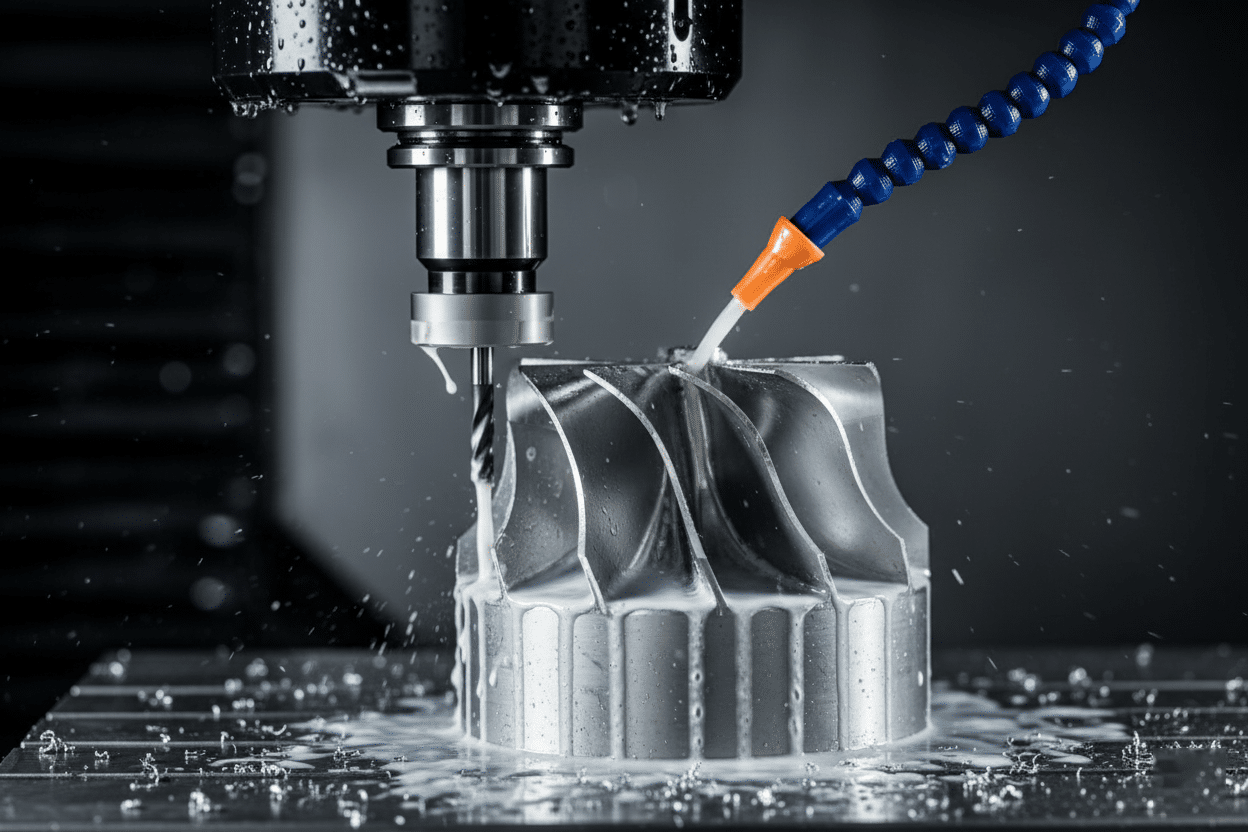
CNC Milling from Prototype to Production
We machine parts from technical documentation, a 3D model or agreed dimensions and tolerances.
Prototypes
One-off parts for testing, production launch and design verification.
One-Off Production
Parts manufactured to documentation for industrial machinery and equipment.
Production Runs
Repeat machining of parts while maintaining the agreed dimensions and inspection parameters.
Flat Parts
Plates, housings, bases, surfaces, pockets and process holes.
3D Components
Machining of multi-face geometries, contours and shaped surfaces.
Finishing
Final milling passes performed to achieve the required dimensions and surface quality.
CNC Milling Technical Data
We confirm manufacturing feasibility based on the documentation, material, geometry and functional requirements of the part.
| Documentation | STEP, DXF, DWG, PDF, 2D drawing or 3D model |
|---|---|
| Production Scope | Prototypes, one-off parts, short runs and repeat production |
| Materials | Steels, stainless steels, non-ferrous metals, and engineering and structural plastics |
| Geometry | Simple and complex parts — after assessing geometry, workholding and tool access |
| Processes | CNC milling, with the option to combine it with CNC turning |
| Tolerances | According to the documentation and the technological feasibility of the specific part |
| Final Condition | According to requirements for surfaces, edges, deburring and subsequent operations |
| Inspection | Verification of agreed dimensions and features specified in the documentation |
| Inspection Report | Available if the inspection scope is agreed in advance |
We do not apply one universal tolerance to every order. Requirements are assessed individually for the specific geometry, material, workholding method and surface function.
We First Verify the Part's Critical Data
The more complete the documentation, the faster we can assess the manufacturing process and prepare the job.
You Provide
- 2D drawing or 3D model
- material type
- dimensions and tolerances
- surface requirements
- quantity
- information about the part's function
We Verify
- manufacturing feasibility
- tool access to the machined surfaces
- workholding method
- feasibility of the required tolerances
- sequence of machining operations
- required measurement and inspection scope
From Documentation to the Finished Part
Every order goes through process planning, machining preparation and verification of the agreed dimensions.
Documentation
We receive a drawing, 3D model and information about the material, tolerances and quantity.
Process Planning
We review the geometry, workholding, tool access and sequence of required operations.
CNC Milling
We perform the machining in accordance with the approved technical scope and documentation.
Inspection
We verify the agreed dimensions and part features before releasing the finished component.
We Inspect What Is Critical to the Part's Function
We define the measurement scope based on the documentation and the requirements of the specific part.
Dimensional Inspection
- overall and local dimensions
- diameters, holes and centre distances
- pocket and shoulder depths
- position of surfaces relative to datums
- dimensions identified as critical
Documentation Requirements
- inspection of specified tolerances
- verification of functional features
- inspection of edge and surface condition
- measurement scope agreed before production
- inspection report available upon customer request
When Is CNC Milling a Good Choice?
Milling is particularly effective when a part requires precise reproduction of its geometry, repeatability, and control of specific dimensions.
Complex Geometry
When the part has pockets, shoulders, holes, contours or surfaces that require machining in several planes.
Required Tolerances
When critical dimensions must be manufactured to the documentation and verified after machining.
Production Repeatability
When subsequent parts need to maintain the same geometry and agreed manufacturing parameters.
Machine Components
Housings, bases, brackets, plates, mounting components and parts for industrial equipment.
Prototypes and Production Launch
When a one-off part is needed for testing, design verification or production preparation.
Machining from a CAD Model
When the part geometry has been prepared in CAD documentation and must be reproduced in the finished component.
Frequently Asked Questions About CNC Milling
Key information to prepare before sending your documentation and starting the quotation process.
What Documentation Can I Send?
We accept STEP models as well as DXF, DWG and PDF documentation. The key requirement is a clear definition of the geometry, material and required tolerances.
Do You Manufacture One-Off Parts and Prototypes?
Yes. We manufacture one-off parts and prototypes, as well as short runs and repeat production.
What Materials Can You Mill?
We machine steels, stainless steels, non-ferrous metals and selected engineering plastics. We confirm feasibility after reviewing the part.
What Tolerances Can You Achieve?
We assess tolerances individually. They depend on the geometry, material, workholding method, part dimensions and requirements specified in the documentation.
Can Milling Be Combined with CNC Turning?
Yes, if the part geometry requires both processes. We define the operation scope during the technical review of the documentation.
Can I Receive an Inspection Report?
Yes. The inspection scope and preparation of the inspection report must be agreed before production starts.
Related Options for Your Application
See technologies and products that can complement CNC milling, subsequent machining or the manufacture of a complete industrial component.
 Service
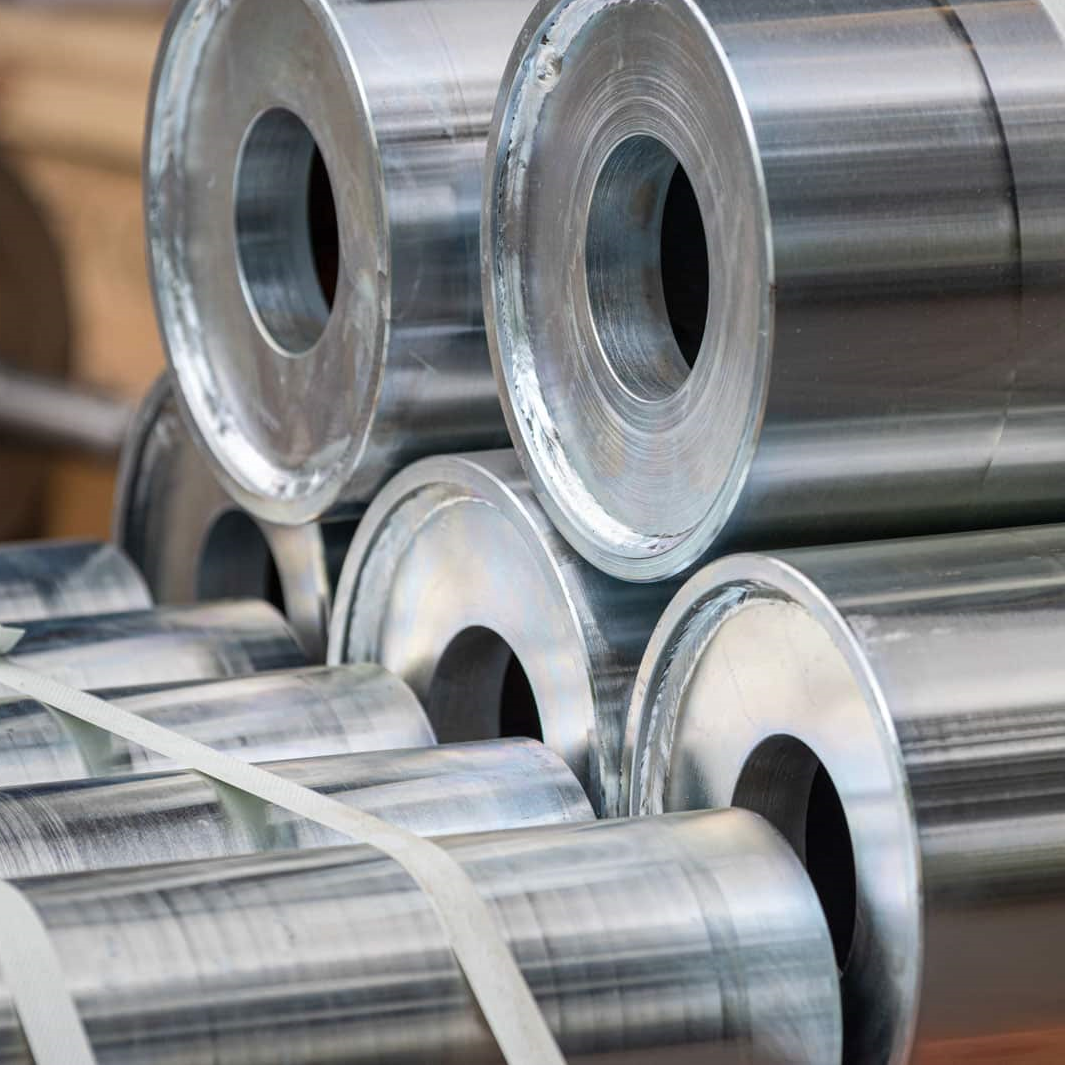
CNC Turning of Parts
Machining of rotational parts according to documentation View the service →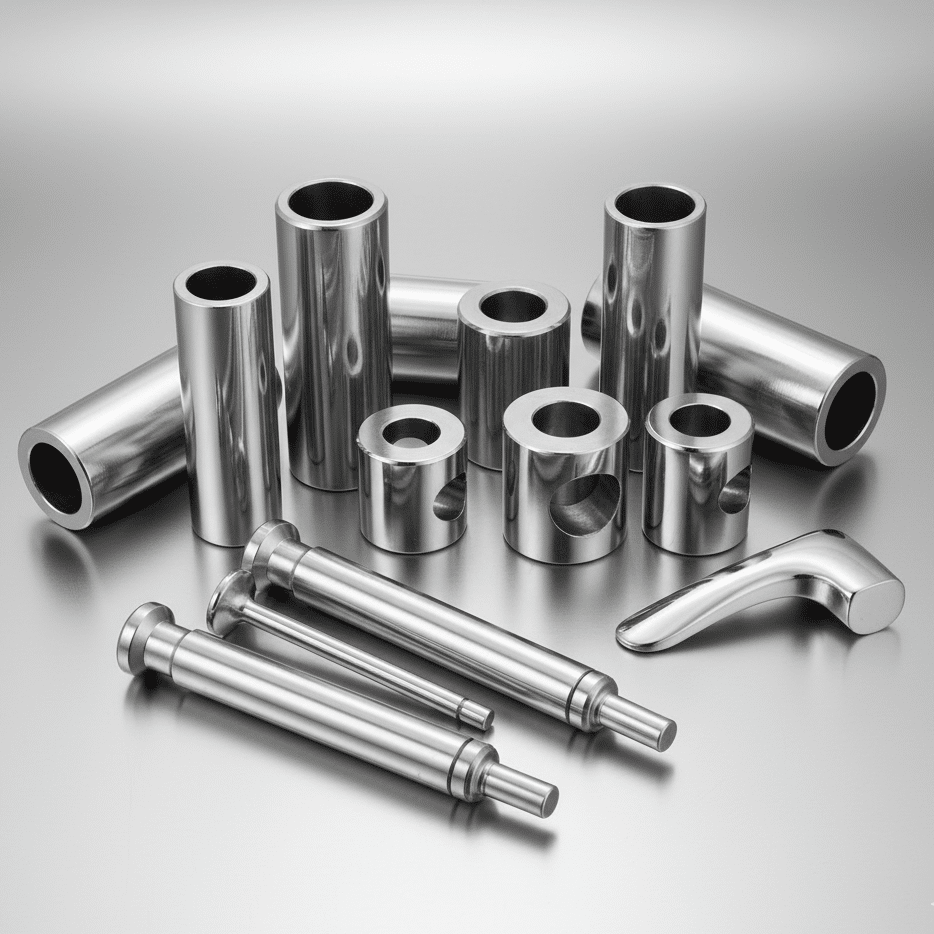 Service
Hard Chrome Plating
Functional coating to increase surface wear resistance View the service →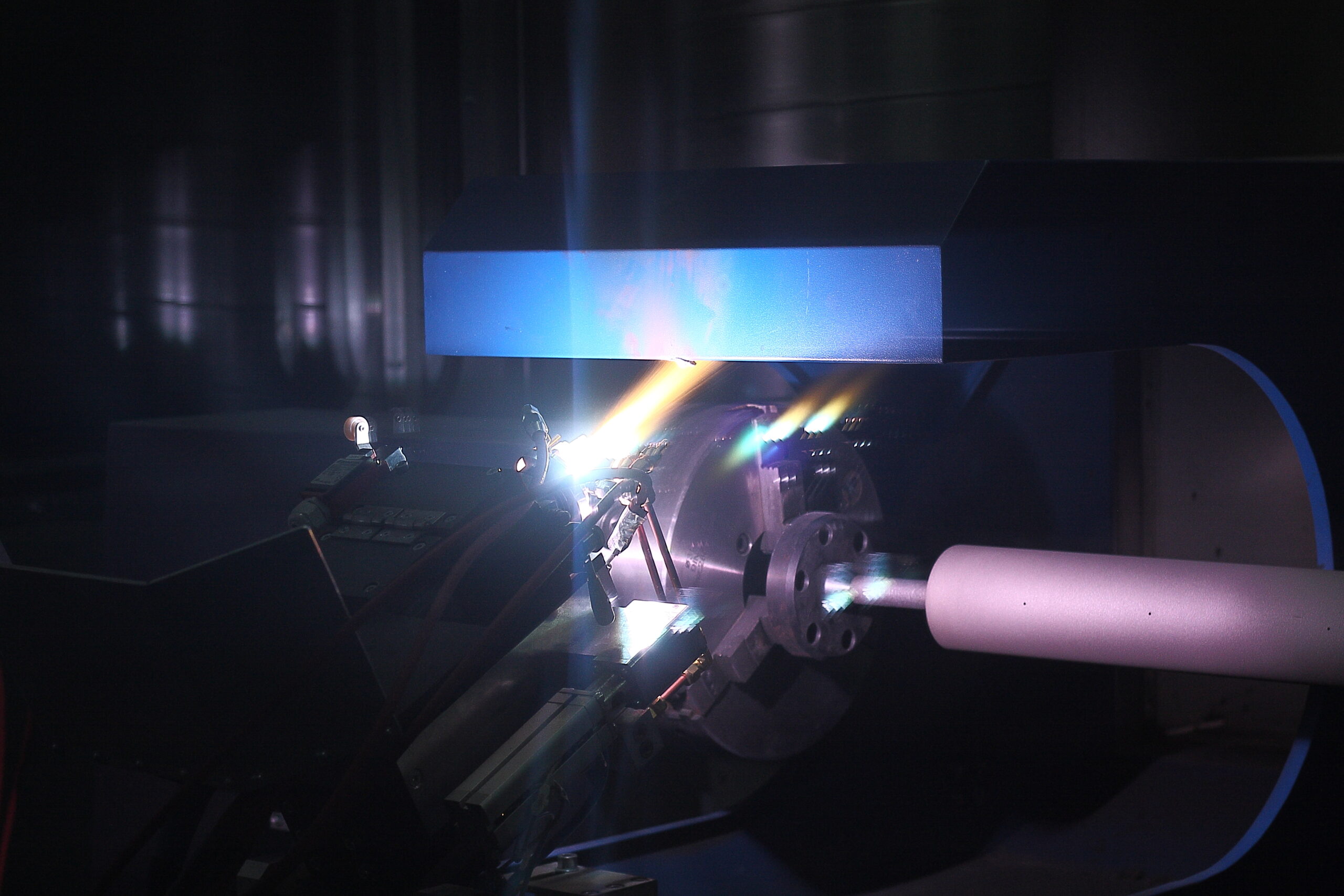 Service
Cr₂O₃ Plasma Spraying
Ceramic surface for demanding operating conditions View the service → Product
Hard Chrome-Plated Rollers
Working components with hard-chrome-plated surfaces View product →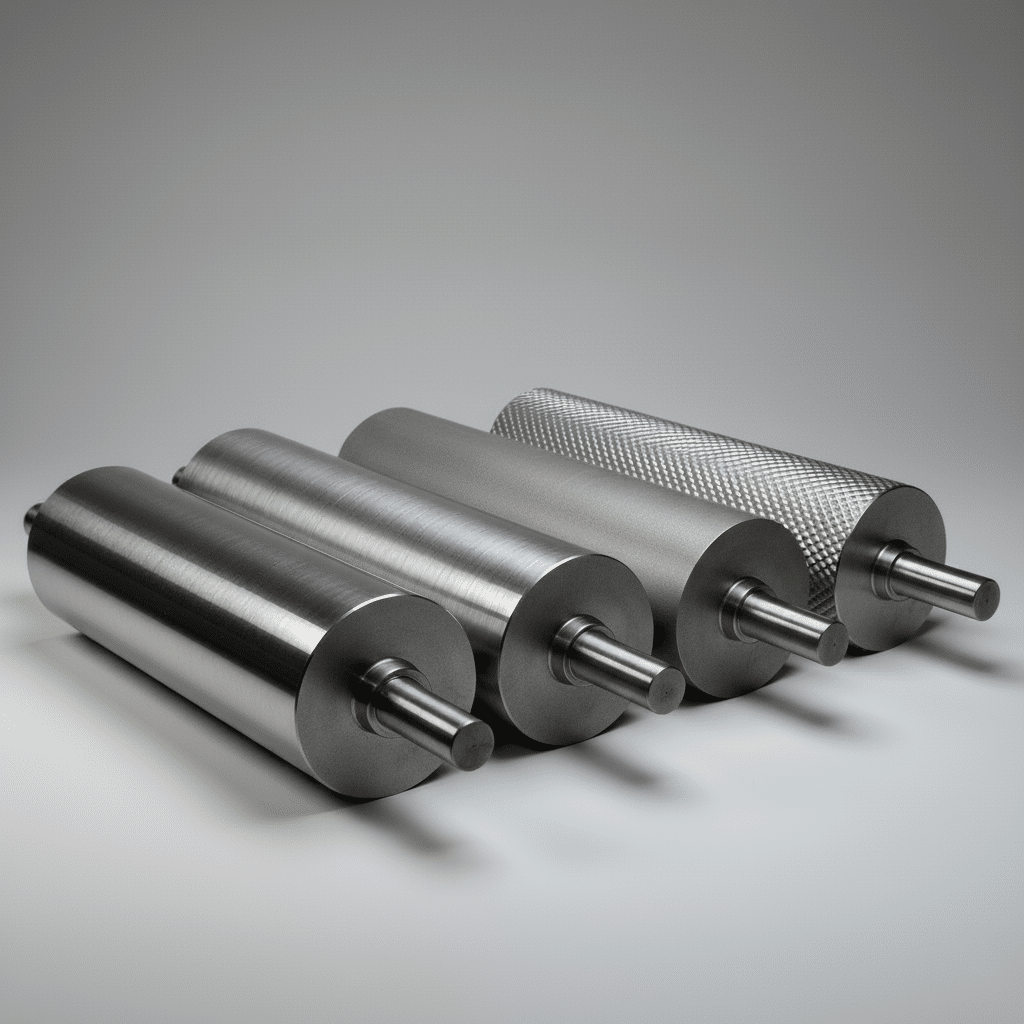 Product
Precision Rollers
New manufacture and refurbishment of working components View product →Have a Part to Manufacture? Send Your Documentation
Send a drawing or 3D model, the material, quantity and required tolerances. We will review manufacturing feasibility and the technical machining scope.