










Gravure Cylinders — Manufacturing, Reconditioning and Working-Surface Preparation
At PROEXPORT, we manufacture and recondition gravure cylinders based on the customer’s technical documentation, a sample cylinder or agreed technical specifications. We assess the working surface, journals, geometry, coating condition and process requirements to define the appropriate scope of work.
manufacturing a cylinder from a technical drawing, a sample cylinder or agreed dimensions,
reconditioning of the worn working surface and assessment of the component’s condition,
hard chrome plating, grinding, polishing and preparation of the cylinder for shipment.
Please submit a drawing, photos of the cylinder, basic dimensions, or a description of how it works in the machine.
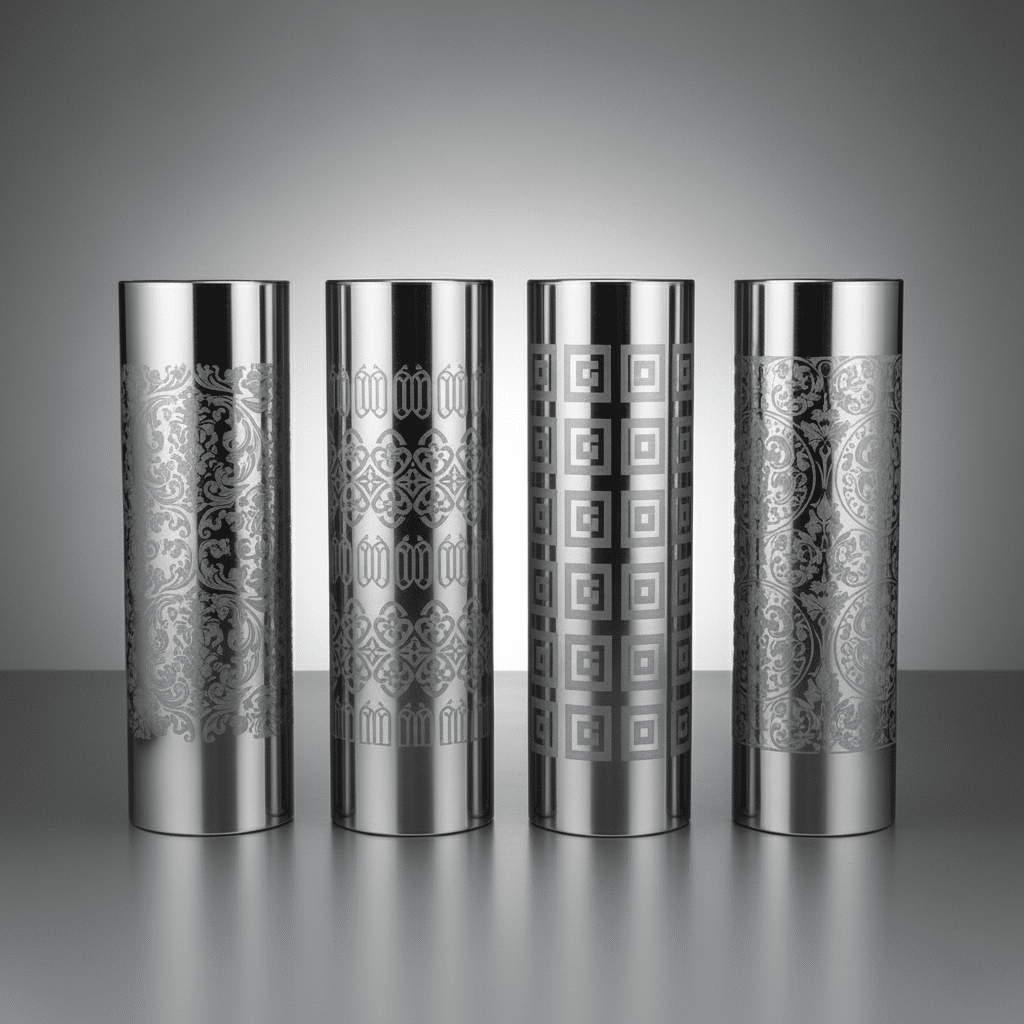
When is it necessary to recondition or manufacture a new cylinder for gravure printing?
PROEXPORT receives cylinders that require surface restoration, an assessment of their technical condition, or the fabrication of a new component for a specific application. Before determining the scope of work, we analyze not only the cylinder’s dimensions, but also its geometry, journals, the condition of the working surface, and process requirements.
Worn work surface
Scratches, pitting, signs of corrosion, or an uneven surface can interfere with the cylinder’s stable operation. In such cases, we assess whether remanufacturing is possible or whether it would be better to manufacture a new part.
Loss of Geometry or Journal Problems
When reconditioning a cylinder, we inspect more than the working surface. We also assess the journals, cylinder body, runout, previous repairs and whether the required dimensions can be maintained after machining.
Lack of complete documentation
If a complete technical drawing is unavailable, a sample cylinder, photographs and measurements of the worn component can provide the starting point. Based on these, we assess whether the geometry can be reproduced.
A new cylinder for a specific application
When selecting a new cylinder, it is not only the diameter and working length that matter. Surface requirements, how the cylinder operates within the machine, the coating, and the printing conditions are also important.
Please submit photos of the cylinder, basic dimensions, a description of the damage, or details on how it functions in the machine. If you have a technical drawing or a part template, please attach it to your inquiry—this will help us determine the appropriate scope of work.
Technical Characteristics of Gravure Cylinders
A gravure cylinder is a working component of a printing press whose surface and geometry must be matched to the gravure printing process. A quotation depends not only on diameter and length, but also on the condition of the working surface and journals, the required surface finish and how the cylinder operates in the press.
What is important when evaluating a cylinder?
In the case of gravure cylinders, the dimension alone does not provide a complete picture. The final scope of work is also influenced by the condition of the cylinder body, its geometry, the quality of the working surface, the condition of the journals, and the requirements arising from the application, the medium, and the machine’s operating conditions.
We most often analyze
a technical drawing, a sample cylinder or photographs of the worn cylinder,
diameter, working length, journals and a description of the damage,
requirements regarding surface, coating, and subsequent use.
Technical Scope
| Parameter | Description |
|---|---|
| Component Type | gravure cylinder / rotogravure cylinder |
| Scope of Work | manufacturing of a new cylinder, reconditioning, machining, surface preparation |
| Documentation | technical drawing, sample cylinder, photographs, measurements or a description of how the cylinder operates in the machine |
| Coating | hard chromium coating, where required by the application and technical documentation |
| Machining | turning, grinding, polishing, honing if necessary |
| Possible finish | grinding, polishing, and, if necessary, honing of surfaces |
| WORKING SURFACE | prepared according to the requirements of the application and the cylinder's intended use |
| Journals and Metal Components | assessed before quotation, especially for reconditioning |
| Information Required for a Quotation | diameter, working length, photographs, technical drawing, description of damage and surface requirements |
| Transportation | protecting the cylinder from mechanical damage |
Parameters such as coating thickness, Ra roughness, and final finish should be considered dependent on the documentation, the condition of the substrate, and the application requirements. The final scope of work is determined after a technical analysis of the cylinder, and not solely based on the component’s name alone.
What Services Do We Provide for Gravure Cylinders?
We tailor the scope of work to whether the customer requires a new cylinder, reconditioning of an existing component or an assessment of whether a component can be reproduced from a sample.
Manufacturing a new cylinder
We manufacture cylinders from technical documentation, a sample cylinder or agreed specifications. For new components, the key factors are dimensions, geometry, material, the working surface and operating conditions in the machine.
work based on a technical drawing or a sample cylinder,
assessment of surface and geometric requirements,
Selecting the scope of work for the application.
Work Surface Restoration
Reconditioning is appropriate when the cylinder body and metal components can remain in service after the working surface has been restored. We first assess the component and then define the repair scope.
assessment of working-surface wear,
inspection of the journals, cylinder body and geometry,
selection of the reconditioning scope following a technical assessment.
Hard Chrome Plating and Finishing
Hard chrome plating is used when the cylinder surface requires increased wear resistance, a low coefficient of friction and suitability for demanding operating conditions.
surface preparation for coating,
hard chrome plating tailored to the application requirements,
grinding, polishing, or honing after the process.
Send photographs, dimensions, a drawing or a description of how the cylinder operates in the machine. We will assess whether reconditioning, hard chrome plating, working-surface restoration or manufacturing a new cylinder is the appropriate option.
Hard Chrome Plating for Gravure Cylinders
On gravure cylinders, hard chrome is a functional rather than decorative coating. It can reduce working-surface wear, support low-friction operation and help achieve the required surface finish. The final result, however, depends on the substrate, cylinder geometry, finishing process and application requirements.
Preparing the Surface Before Chrome Plating
The quality of the cylinder’s final surface does not depend solely on the chrome plating itself. Other factors that play a role include the condition of the steel, surface preparation, prior damage, geometry, and machining prior to coating application. Therefore, before providing a quote, it is important to evaluate the entire part, not just the working surface.
HV Hardness and Surface Smoothness
The hardness of hard chromium is measured on the Vickers scale. A typical range for this type of coating is 850–1200 HV. After polishing, surface roughness may be in the range of Ra 0.08–0.16 µm; precision applications may target a super-mirror finish of Ra < 0.08 µm.
Low friction and material handling
In printing processes, the cylinder surface may come into contact with film, paper, laminate, or other materials fed through the machine. A low coefficient of friction and properly prepared surface smoothness help reduce problems resulting from excessive wear on the working surface.
Corrosion Resistance and Operating Temperature
Technical chrome can provide protection only as long as the coating remains undamaged. If the coating is scratched or chipped, the medium can reach the substrate. The coating’s properties remain fully intact up to approximately 200°C, while operation at temperatures up to approximately 400°C results in a gradual decrease in hardness.
Where are gravure cylinders used?
Gravure cylinders are used in processes where an image, ink layer or surface texture must be transferred repeatedly and consistently to a substrate. Depending on the application, the critical parameter may be geometry, surface finish, journal condition, coating or preparation for a subsequent process.
Packaging Printing
In packaging production, the repeatability of the cylinder’s operation, a stable working surface, and compatibility with the material, ink, and machine parameters are important. When making an inquiry, it is helpful to describe the type of substrate and any existing damage to the cylinder.
Films and Flexible Packaging
When it comes to films, surface properties, working with web material, and minimizing problems caused by cylinder wear are important. We assess whether the part is suitable for reconditioning or whether a new part will need to be manufactured.
Paper, cardboard, and paperboard
In paper and board applications, the cylinder may run with a substrate affected by changes in humidity, pressure and line speed. During reconditioning, we inspect the working surface, journals, geometry and mechanical condition of the component.
Labels and Decorative Materials
When it comes to labels, veneers, and decorative materials, what matters is the repeatability of the result and the condition of the cylinder’s surface. Even minor damage may require evaluation if it affects process stability or the quality of pattern transfer.
Laminates and Multilayer Materials
In processes involving multilayer materials, it is important that the cylinder surface be prepared for the operating conditions and the type of material being processed. We determine the scope of machining after analyzing the documentation, the design, or the used part.
Older machines and parts without complete documentation
If the customer does not have a complete drawing, a sample cylinder, photographs, measurements and a description of operation in the machine can provide the starting point. This information allows us to assess whether the geometry can be reproduced or the existing cylinder reconditioned.
Please submit a drawing, photos, basic dimensions, or a description of the process. Based on this information, we will assess what scope of work is worth considering.
How Do We Handle Your Order?
The production or reconditioning of a gravure cylinder begins with an analysis of the available data: drawings, photos, dimensions, a description of the damage, or a physical sample. Only after a technical evaluation can the appropriate scope of work be determined.
Inquiry Review
Please send a technical drawing, photographs of the cylinder, basic dimensions, a description of how the cylinder operates in the machine or information about the type of damage.
Evaluation of a cylinder or documentation
We review the input data, the condition of the working surface, journals, cylinder body and geometry, and assess whether the component can be manufactured or reconditioned.
Defining the Scope of Work
We determine whether the best course of action is to manufacture a new cylinder, surface restoration, technical chrome plating, grinding, polishing, or additional machining.
Surface Treatment and Preparation
We carry out the agreed scope of work: machining, surface preparation, hard chrome plating, grinding, polishing or honing, where required by the application.
Post-completion inspection
Once the work is complete, we inspect the component against the agreed scope and prepare the cylinder for collection or shipment.
Packaging and Transport
We protect the cylinder from mechanical damage during transport. The packaging method depends on the dimensions, weight, and requirements specified for a given order.
For an initial assessment, it is best to send a drawing, photos of the cylinder, dimensions, a description of the damage, and information about the machine in which the part is used.
What Are the Benefits of Manufacturing or Reconditioning a Gravure Cylinder?
With gravure cylinders, the problem rarely concerns only the surface itself. Operational stability is also influenced by the geometry, the condition of the journals, the substrate, the coating, the finishing process, and the requirements of the specific machine. That is why at PROEXPORT we analyze the entire part, not just its outer layer.
A Better Assessment of the Cause of the Problem
Scratches, corrosion, an uneven surface, damaged journals or loss of geometry can produce similar symptoms in the machine. A technical assessment helps determine whether the issue lies in the coating, metal component, machining or the condition of the entire cylinder.
Selecting the Right Scope Instead of a Haphazard Repair
Not every cylinder needs to be remade from scratch, and not every worn part is suitable for reconditioning. After an analysis, it can be determined whether the best course of action is surface restoration, chrome plating, machining, or a new cylinder.
Ability to Proceed Without Complete Documentation
If you don’t have a complete drawing, you can start with photos, measurements, a sample of the worn cylinder, and a description of how it functions in the machine. This allows you to begin a technical evaluation of older parts or components that are difficult to order from the manufacturer.
Combining Machining and Coating
For printing cylinders, the coating alone is not sufficient if the substrate, geometry, or surface are not properly prepared prior to chrome plating. Therefore, the process may include mechanical machining, chrome plating, grinding, polishing, or honing.
Surface Finish Tailored to the Application
The smoothness, coating thickness, and finish should be determined by the application of the cylinder, the type of material, the process requirements, and the documentation. This ensures that the technical decision is aligned with the component’s actual operation within the machine.
Safer preparation for pickup and transport
Once the agreed-upon work has been completed, the cylinder is prepared for acceptance or shipment. The method of securing the cylinder depends on its dimensions, weight, and the requirements of the specific order, in order to minimize the risk of mechanical damage during transport.
Decisions concerning a gravure cylinder should not be based solely on the component’s name. The same printing defect may result from the working surface, journals, runout, corrosion, geometry, substrate or previous repairs.
Gravure Cylinders — Frequently Asked Questions
Below, we have compiled a list of the most frequently asked questions regarding the manufacturing, reconditioning, chrome plating, and surface preparation of cylinders for gravure printing.
What is a gravure cylinder? +
A gravure cylinder is a working component of a printing press whose surface transfers an image, ink or texture to the substrate. In practice, not only the surface matters, but also cylinder geometry, journal condition, the coating and how the component is prepared for operation in the press.
Does PROEXPORT manufacture new cylinders, or does it only recondition used ones? +
We can assess both the manufacture of a new cylinder and the reconditioning of an existing component. The scope depends on the documentation, sample, dimensions, condition of the working surface and journals, and the requirements of the specific application.
What information do I need to provide to get a quote for a cylinder? +
For a quotation, send a technical drawing, photographs of the cylinder, diameter, working length, journal details, a description of the damage and surface requirements. If complete documentation is unavailable, a sample cylinder and a description of its operation in the machine may be helpful.
Is it possible to recreate a cylinder without complete documentation? +
In many cases, an assessment can begin with a sample cylinder, photographs, measurements and a description of how the cylinder operates. The full manufacturing or reconditioning scope still requires technical confirmation, especially for components used in demanding printing processes.
Is Hard Chrome Plating Suitable for Printing Cylinders? +
Hard chrome plating can be used as a functional coating when a cylinder requires increased wear resistance, low friction or a specific surface finish. Whether chrome plating is appropriate depends on the application, technical documentation and condition of the substrate.
Does chrome protect the cylinder from corrosion? +
Hard chrome can reduce the risk of corrosion only while the coating remains undamaged. If the coating is scratched, damaged or breached, the process medium can reach the substrate and cause corrosion beneath the coating.
What determines the final smoothness of the surface? +
The final smoothness depends on the condition of the substrate, the quality of the prior treatment, the type of steel, the geometry, any damage, and the post-chromium plating treatment. The chromium plating process itself does not replace proper surface preparation prior to applying the coating.
Can every damaged cylinder be reconditioned? +
No. Reconditioning depends on the condition of the cylinder body, journals and working surface, the dimensions achievable after machining and the process requirements. If the damage is too extensive or the geometry does not allow the component to be restored safely, manufacturing a new cylinder may be the better option.
How is the cylinder secured for transport? +
The method of securing the cylinder depends on its dimensions, weight, and the arrangements for the specific order. The purpose of packaging is to minimize the risk of mechanical damage to the cylinder’s surface and components during transport.
Does PROEXPORT prepare cylinders for subsequent manufacturing processes? +
Yes, the scope may include surface preparation for further operations, if this is specified in the documentation and application requirements. In your inquiry, it is advisable to indicate whether the cylinder is to be further machined, engraved, chrome-plated, polished, or prepared for a specific stage of production.