

Bowed rolls (banana rolls) for stable web handling
When plastic film, paper, nonwoven fabric, or woven fabric wrinkles while being fed, a properly selected bowed roll helps spread the material across its width and stabilize the web path. We manufacture new custom bowed rolls and assess whether used components are suitable for refurbishment.
- New shafts manufactured based on documentation, dimensions, or agreed-upon specifications.
- Refurbishment following an assessment of the design, working surface, and condition of mating components.
- Selection of the design, working surface and mounting method to suit the web material and line operating conditions.
We confirm the scope of manufacturing or refurbishment after analyzing the application, dimensions, and available documentation.
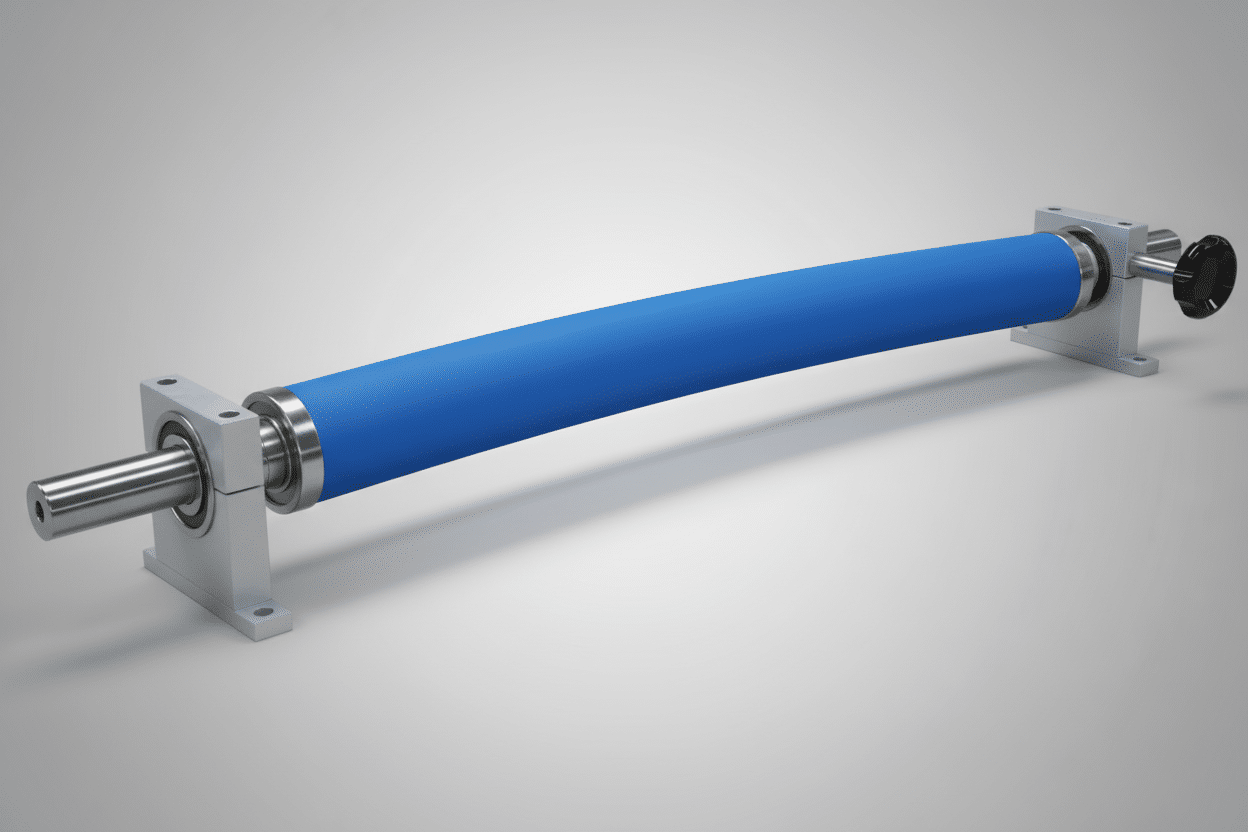
A design tailored to the dimensions, material, and installation location.
The scope of work is determined after inspecting the condition of the existing component.
Rubber or polyurethane selected based on the type of web and process conditions.
Which bowed rolls can we manufacture or refurbish?
The starting point is not a ready-made catalog option, but material, system geometry, and the problem occurring on the line. This information helps determine the design of a new roll or the scope of refurbishment for the existing roll.
New bowed rolls
Manufacturing a new component based on technical documentation, agreed-upon dimensions, or specifications determined by the shaft’s location in the machine.
Refurbishment of the existing shaft
The possibility of reconditioning is determined after inspecting the structure, working surface, ends, and components responsible for the proper operation of the shaft.
Constant-deflection shafts
A variant designed for conditions in which the geometry of the shaft is determined based on the selected material, web width, and guidance method.
Shafts with adjustable deflection
A design that allows the deflection to be adjusted, within the range specified for a given variant, to account for changes in the material or web-feeding parameters.
Rubber or polyurethane surface
The type of work surface material and its specifications are selected based on the web being processed, tension, line speed, and the operating environment.
Replacement roll for an existing machine
The analysis can begin with the old shaft, photographs, basic dimensions, and the mounting method. This makes it possible to determine the data needed to proceed with the reconstruction of the component.
Please submit a drawing, photos, basic dimensions, or a description of the material feeding problem. Based on this information, we can determine what additional data is needed to select a new shaft or assess the feasibility of refurbishment.
How does a bowed roll spread web material?
A surface rotating around a curved axis helps Guide the material from the center toward its edge. Adjust the illustrative settings to see how roll bow and web wrap affect the visualization of roll operation.
Spreading the material from the center toward the edges
As the roll rotates, its surface moves around a curved axis. With correct web guidance, this helps redirect friction forces and spread the material laterally. The result depends on the entire system, not only on the roll bow.
It affects the direction and intensity of the spread of the material.
Defines how the web contacts the roll's working surface.
The material, web tension, speed, and installation location are all important.
The shaft parameters are determined by machine operating conditions
There is no single universal bowed roll for every application. Length, diameter, deflection, working surface, and mounting is determined based on the material and the way it is fed.
| Parameter | A possible option or method of determination |
|---|---|
| Component type | A bowed roll, also known as a spreader roll or banana roll, designed for use with web material. |
| Basic function | Spreading, flattening and stabilizing film, paper, nonwovens, textiles and other web materials. |
| Working length | Determined on a case-by-case basis based on the width of the material, the installation location, and the design of the existing machine. |
| Shaft diameter | Selected based on the working length, line speed, load, material being processed, and the required design of the component. |
| Axle Deflection | A possible option with fixed or adjustable deflection. The need for adjustment is confirmed after process analysis. |
| Work surface |
Rubber
Polyurethane
The surface material is selected based on the type of web, the required grip, and the operating environment. |
| Element Design | The material and design of the shaft body are selected based on the shaft’s dimensions, weight, load, and operating conditions within the machine. |
| Bearing system | Bearing selection is based on rotational speed, load, and operating conditions. |
| Mounting method | Front mounts, mounting sleeves, or a solution that replicates the mounting method used in the existing machine. |
| Shaft Operation | The passive variant, or a solution that takes into account additional system requirements, if these arise from the design of a specific application. |
| Basis for Execution | Technical drawing, basic dimensions, photos, a sample of the supplied component or an agreed-upon technical specification. |
Please submit any available data, photos, or an existing shaft. A preliminary analysis will help identify what information is missing to develop a solution and provide a quote.
The banana roller operates where the web is deviates from a stable web path
Plastic film, paper, nonwoven fabric, and textiles behave differently when being fed through the machine. A common problem may be folds, wrinkles, edge curl or uneven web distribution across the width.
The roller can assist in spreading the film before the next stage of feeding, rewinding, or processing. The selection depends on the width, tension, and speed of the material.
The roller helps distribute the material laterally, before the material is transferred to the next stage of the process.
A properly selected shaft helps maintain a more orderly path for the material within the machine's system.
The shaft's action can help the ribbon spread from the center toward both edges.
Organized material is easier to pass on for further handling, rewinding, or processing.
Please submit photos of the material, a description of where the folds form, and the basic parameters of the line. This will allow us to assess whether a banana roll is the right choice and what data needs to be determined before making a selection.
Construction of a bowed roll from the working surface to the bearing housings
Rotate the model and select a component. The view shows the curved working surface, end connections, journals, bearings, housings and an optional adjustment mechanism.
The model illustrates the possible structural components and how they are connected to one another. The actual design may differ in terms of geometry, bearing configuration, mounting, and the design of the adjustment mechanism.
The surface rotates around an axis with a specific curvature geometry.
The rotating components are connected to the journals and housings on both sides of the shaft.
The housings may include the bases and holes needed for installation in the machine.
The adjustment mechanism is an optional feature that depends on the shaft design.
Please submit photos of the entire shaft, the ends, the mountings, the installation site, and the basic dimensions. This will allow us to determine which structural elements need to be retained.
Rubber or polyurethane? First, the process conditions
Both materials can be considered as the working surface of a banana roller. The decision should not be made solely on the basis of the material’s name. What matters are properties of the moving web, tension, speed, and operating environment.
Specify whether the shaft conveys film, paper, nonwoven fabric, textiles, or another material.
To perform the analysis, information is needed on the tension of the material and the line's operating speed.
Temperature, humidity, and the presence of substances in the shaft's environment may be significant.
Based on the entire data set, it is possible to identify the material and surface parameters to be further determined.
Please submit photos, part specifications, a description of the material being processed, and operating conditions. There is no need to choose between rubber and polyurethane before the technical consultation begins.
A symptom on the line does not always mean damage to the shaft itself
Check the boxes next to any issues you've noticed. The module will indicate areas worth examining, and the data needed to begin technical analysis. The result is not a substitute for visual inspection and measurements.
What happens to the material or the shaft?
You can select more than one symptom. The result will be supplemented with common areas that need to be checked.
Select a symptom to organize your analysis
The problem may be caused by the shaft alignment, material tension, track geometry, work surface, bearings, or the interaction of several components. Select the symptoms you have observed.
- Position of the shaft in the guide path
- Conditions for wrapping and web tension
- Condition of the surface, bearings, and mountings
- Photo of the entire shaft and the installation site
- Description of the material and when the problem occurred
- Basic dimensions or available drawing
The position of the roller, the wrap, the direction of movement, and the tension of the material can affect the resulting effect.
Damage, dirt, and uneven wear can affect the shaft's contact with the material.
Noise, vibration, resistance, or play require inspection of rotating components and shaft ends.
The condition of the housings, their alignment, and the shaft geometry should be evaluated in conjunction with the entire system.
The next module will help you organize data on the component, material, installation location, and observed symptoms before contacting us.
What are the benefits of using a properly selected banana shaft?
The banana roller is not just a random guide element. Its geometry, surface, and position all influence the way the entire web behaves. The right choice can reduce material-related issues and improve process consistency.
Reducing web folds and wrinkles
A properly adjusted roller helps distribute the material from the center toward the edges. This can help reduce folds, creases, and localized buildup of material before the next stage of the process.
More stable web guidance
Spreading the material across the width can help maintain a neater path before printing, laminating, cutting, or rewinding.
Greater process stabilityLess material waste
Minimizing creases and feeding errors can reduce the amount of material rejected due to folds, misalignments, or unstable passage through the machine.
Waste ReductionImproved quality of subsequent operations
A more evenly guided web creates better conditions for carrying out subsequent stages, such as printing, coating, laminating, cutting, and winding.
A more consistent resultAdaptation to an existing machine
The roll dimensions, mounting, bow and working surface can be matched to the installation position in an existing line without automatically changing the entire web-handling system.
Integration with the production lineUse the configurator or describe the material, line speed, the location where the folds form, and the current web guidance system.
From the technical specifications to the finished banana roll
The process starts the same way for a new roll and a refurbishment. First, we analyze application, available documentation, and the condition of the existing component. Only then can the exact scope of work be determined.
Submitting a Technical Inquiry
You provide a drawing, photos, basic dimensions, a description of the material being processed, or information about a problem occurring on the production line.
Organizing Data and Working Conditions
The available dimensions, installation method, type of web material, speed, tension, shaft position, and the expected result of its operation are all checked.
Determining the Appropriate Implementation Path
At this stage, the possible course of action is determined: manufacturing a new shaft, rebuilding the existing structure, or refurbishing it after assessing the condition of the component.
Confirmation of Parameters and Scope of Work
Before work begins, the agreed-upon dimensions, shaft design, type of working surface, finishing method, and machine-specific requirements are finalized.
Manufacturing a new part or performing a refurbishment
The work follows the approved scope. Depending on the task, it includes manufacturing a new design or restoring the agreed elements of the existing roll.
Quality Inspection of the Completed Shaft
Every manufactured or refurbished component undergoes a quality inspection appropriate to the agreed scope and project parameters.
You do not need to decide whether a new roll or refurbishment is required. Send the available information and we will assess a possible course of action based on it.
Frequently Asked Questions about bowed rolls
Selecting a banana shaft requires a combination of information regarding the design, material, and path of the web. Below are answers regarding operation, new rolls, refurbishment and preparing an inquiry.
A bowed roll, also known as a spreader roll or banana roll, is a component of the web material guidance system. Its geometry helps distribute the material across the width and minimize the formation of folds and wrinkles.
The material wrapped around the curved shaft is guided in such a way that it spreads out toward the edges. The effect depends, among other things, on shaft deflection, wrap angle, position within the machine, and web tension.
In the fixed-deflection variant, the shaft geometry is specified for the assumed operating conditions. The adjustable design allows the alignment to be adjusted, within its intended range, to accommodate changes in the material or process. The adjustability depends on the design, dimensions, and installation method of the shaft.
The work surface can be made of, among other things, rubber or polyurethane. The material and surface parameters are selected based on the type of web, its tension, operating speed, and the environment in which the shaft operates.
Yes. The scope includes manufacturing new bowed rolls and refurbishing existing components. Refurbishment feasibility and scope are determined after assessing the design and condition of the supplied roll.
Refurbishment may be considered when the roll design, geometry, end connections and mechanical components allow continued use. Wear of the working surface alone does not determine the scope of work. The decision requires inspection, measurements and analysis of the operating conditions.
A new roll may be appropriate when the existing roll is not suitable for refurbishment or when the current application requires different geometry, working surface, end connections or mounting method. A new component may be produced from documentation, measurements, an existing sample or an agreed specification.
Yes. The lack of complete documentation does not preclude the start of the analysis. A good starting point could be existing shaft, basic dimensions, photos, designations, and a description of its function in the machine. The scope of the data that needs to be completed is determined after reviewing the materials.
Useful information includes the working length, diameter, end dimensions, mounting method, and type of surface. You should also provide information about the web material, its width, operating speed, and any problems observed. Drawings, photos, and a video of the line in operation are helpful.
You cannot evaluate the effect based solely on the presence of the banana shaft. It is one of the components of the guidance system, and the result also depends on material tension, wrapping, shaft position, adjacent rollers, and the causes of creases. Before replacing the shaft, it’s a good idea to inspect the entire section of the line.
Please submit a description of the material, photos of the shaft, basic dimensions, and information about the problem occurring on the production line. We can then begin our analysis based on this information.
Solutions for the entire web-guiding system
The banana roller often works in conjunction with other line components. See the solutions that can complement it feeding, transporting, rewinding, and processing web materials.
 Product
01
Product
01
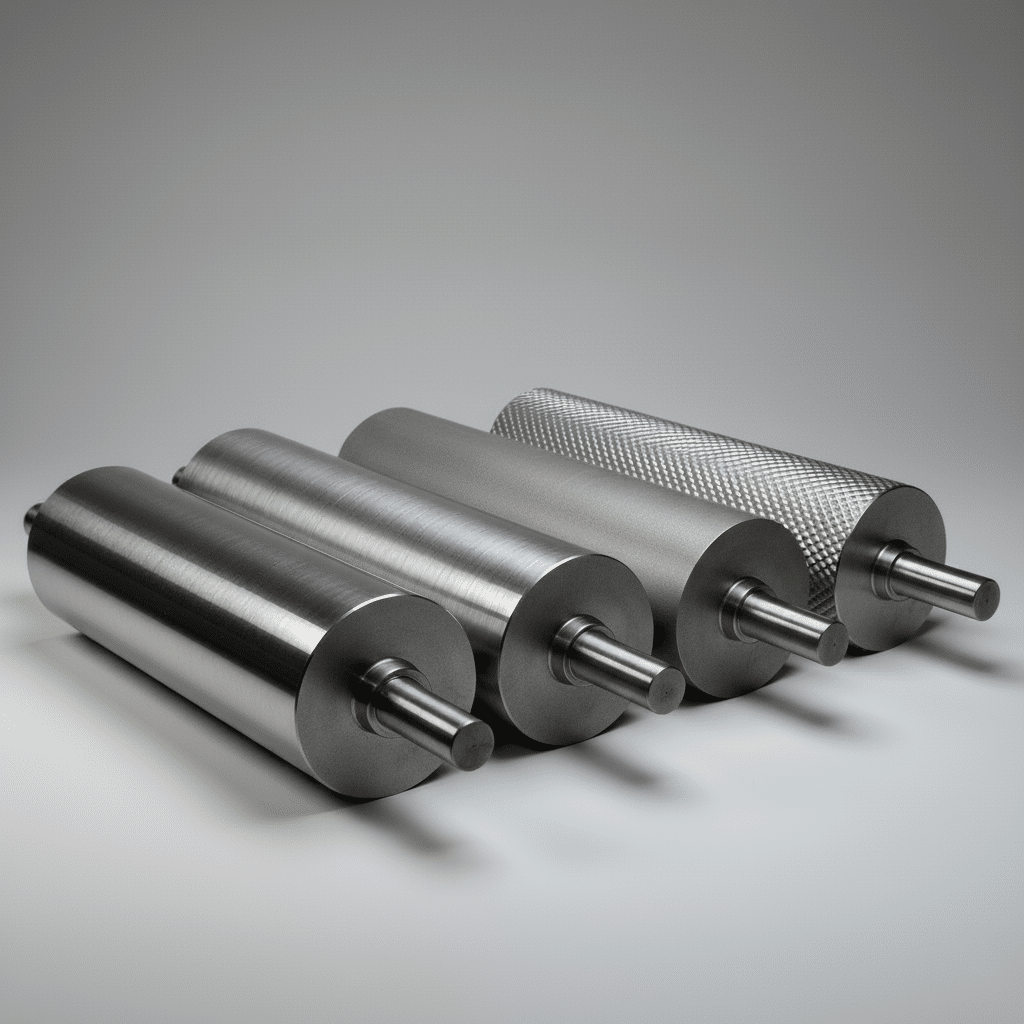
Precision rollers
Components manufactured in accordance with the documentation and requirements of a specific machine.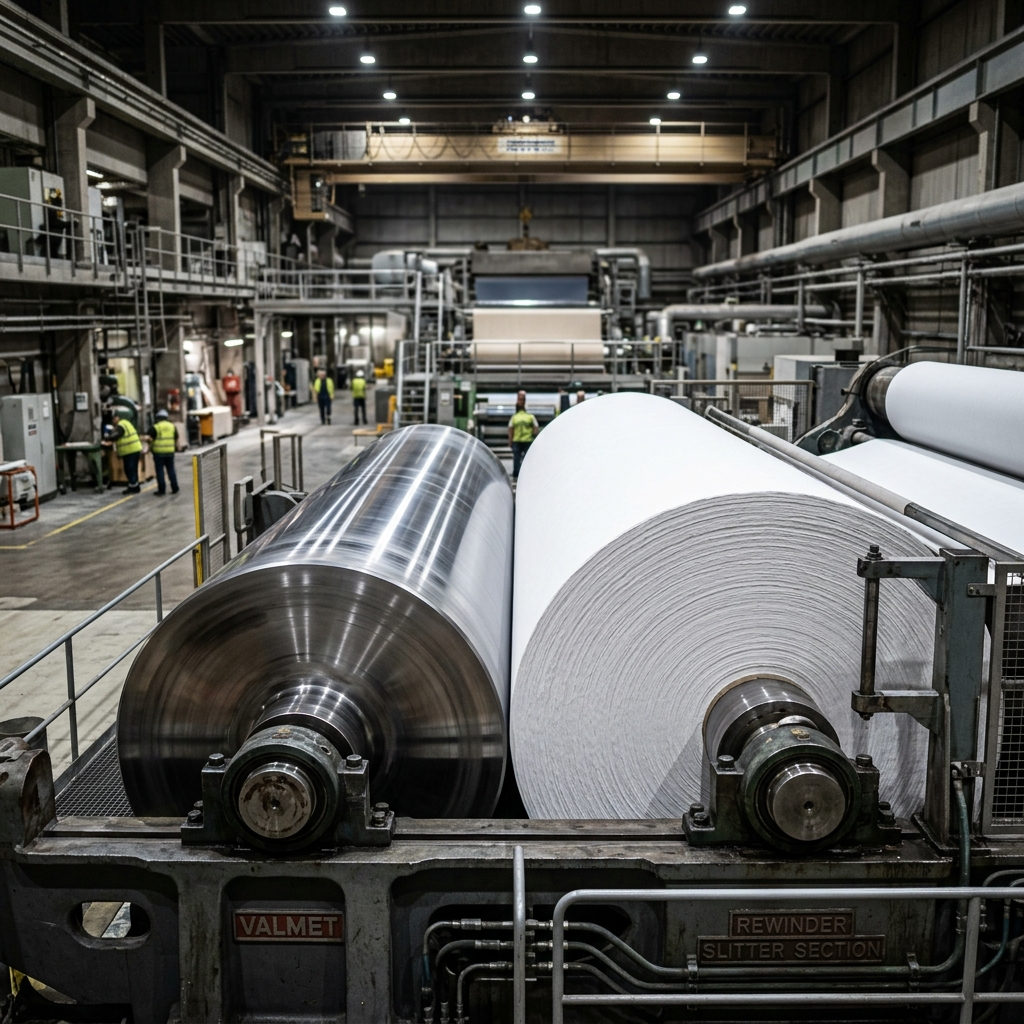 Product
02
Product
02
Paper-rewinding rollers
Solutions that ensure stable material handling during the rewinding process.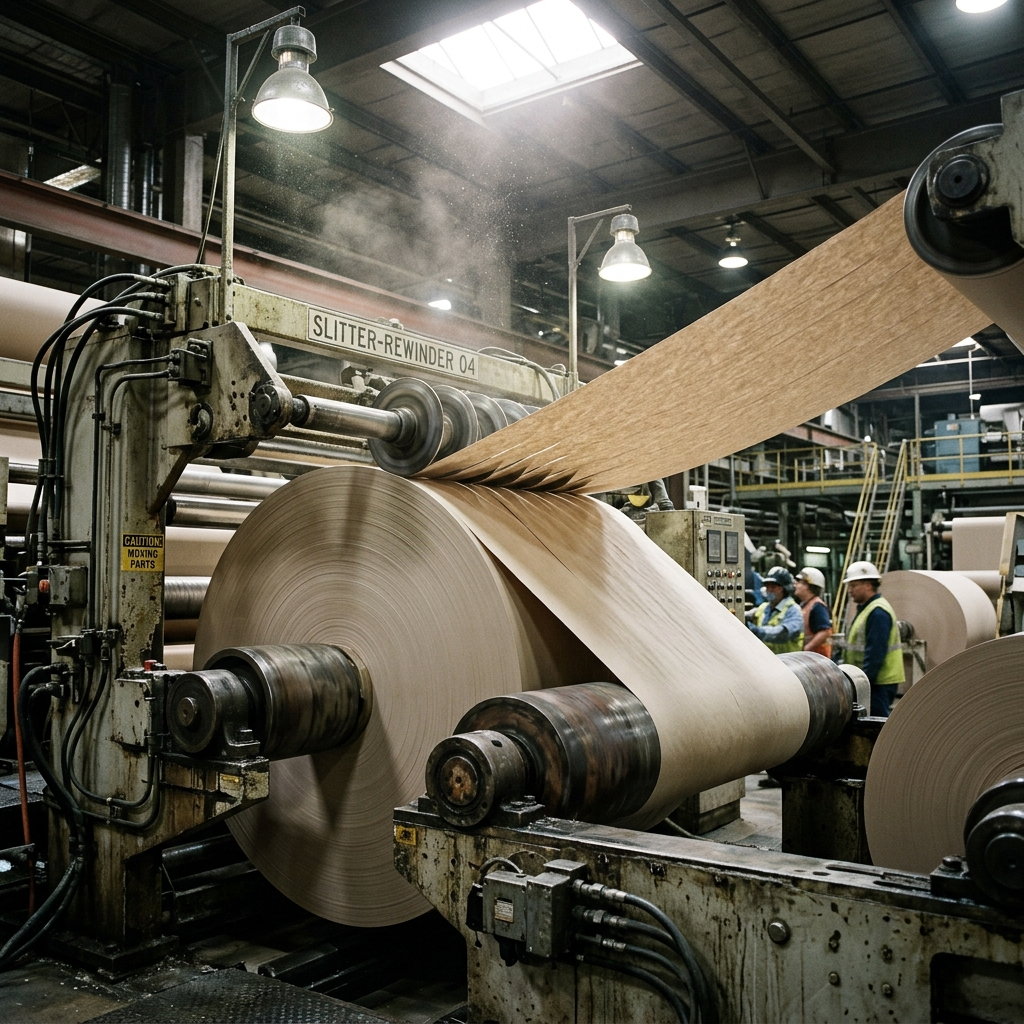 Product
03
Product
03
Transport rollers
Components for transporting and guiding material within a production line.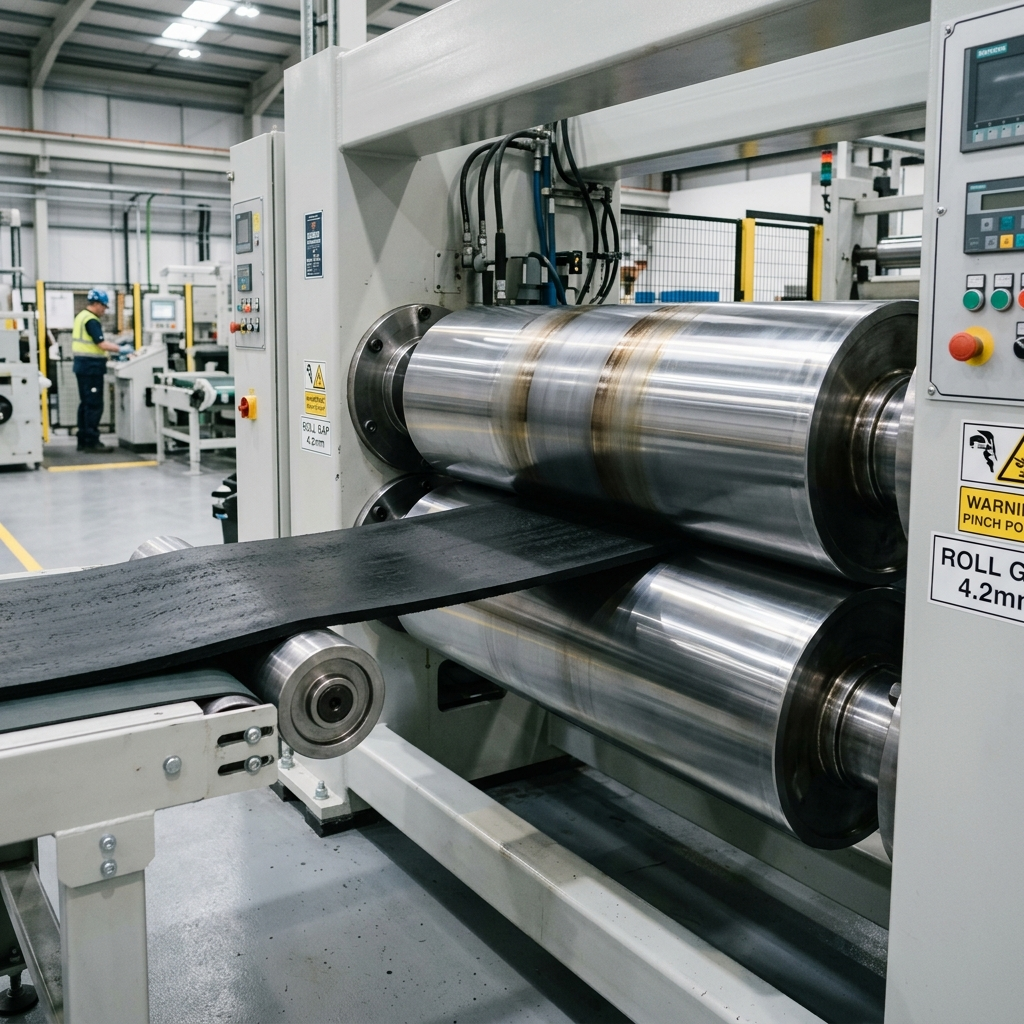 Product
04
Product
04
Calender rollers
Work rolls for processes requiring control of geometry and surface finish.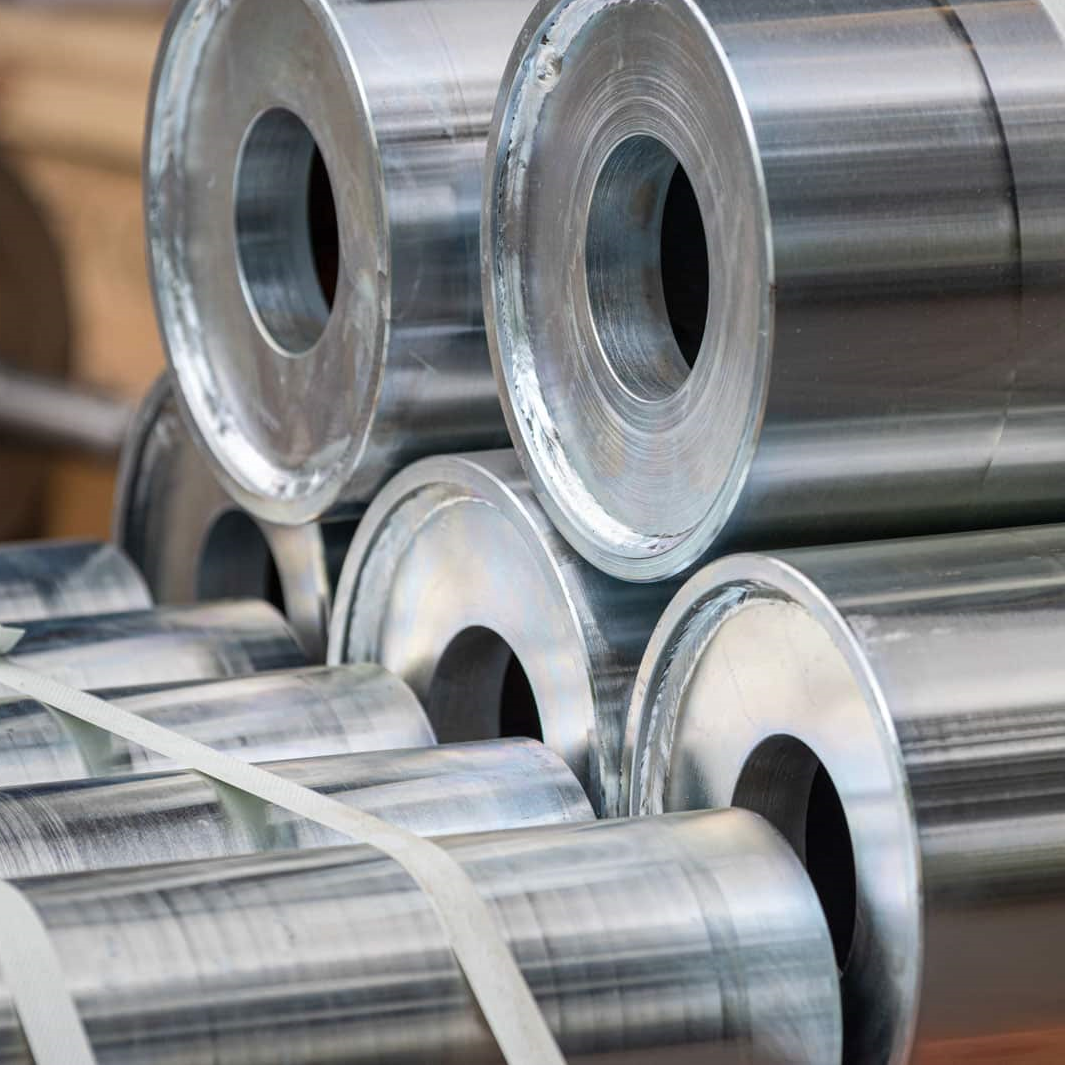 Service
05
Service
05
CNC Turning of Parts
Machining of rotating components and parts that interface with the shaft assembly.