










Chromium Oxide (Cr₂O₃) Plasma Spraying
A functional ceramic coating for surfaces exposed to abrasion, friction and contact with process media. We tailor component preparation, plasma spraying and finishing to the part geometry and operating conditions.
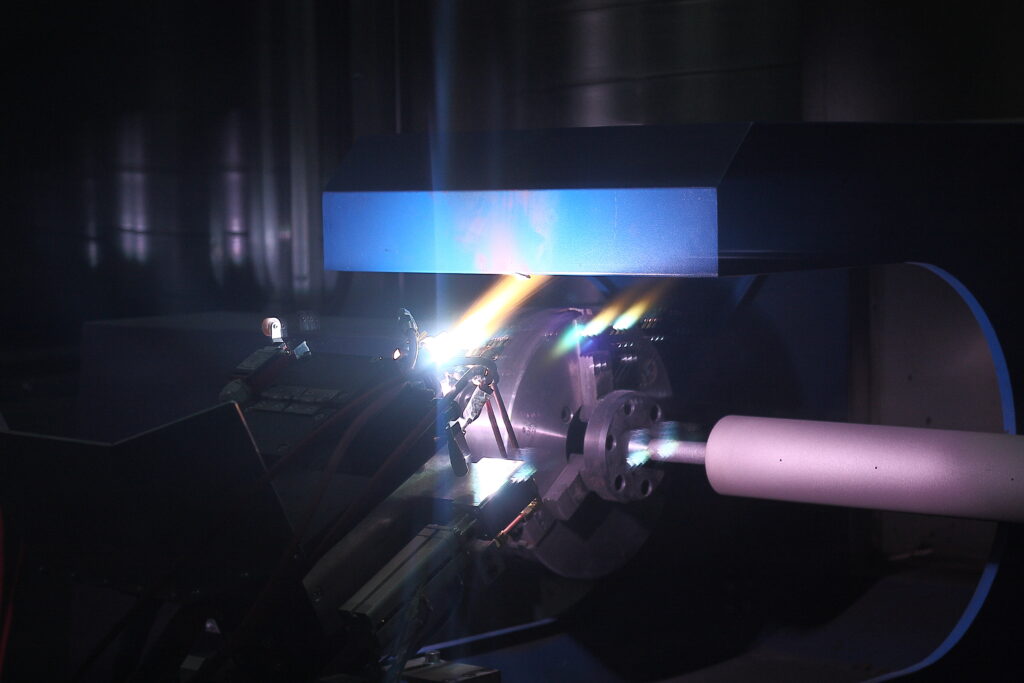
What Components Can We Coat with Chromium Oxide?
We apply Cr₂O₃ plasma spraying to the working surfaces of new and refurbished industrial components. We select the surface preparation and finishing according to the component geometry and operating conditions.
Industrial Rollers
Working surfaces of rolls exposed to abrasion, friction or contact with process media.
Shafts and Cylindrical Surfaces
Components where the ceramic coating forms a wear-resistant working surface that interfaces with other machine parts.
Bushings and Rotating Components
Surfaces requiring increased wear resistance while maintaining the required working geometry.
Parts for Refurbishment
We can assess a worn component to determine the required surface preparation and application of a new functional coating.
Technical Data for Cr₂O₃ Plasma Spraying
We select the coating parameters based on the component geometry, wear mechanism and required final surface.
| Coating Material | Chromium oxide (Cr₂O₃) — ceramic coating |
|---|---|
| Application Technology | Plasma spraying onto the prepared component surface |
| Coating Hardness | Typically approx. 1200–1800 HV* |
| Coating Thickness | Selected individually for the application and technical documentation |
| Post-spray treatment | Grinding and polishing to achieve the required surface finish |
| Final Dimension | Defined for the specific component and its function in the machine |
| New / Refurbished Parts | Both options — after assessing the geometry and condition of the base component |
| Suitability for Process Media | After assessing the type of medium, concentration, temperature and contact conditions |
* Typical value for this material category; not a guaranteed parameter for a specific order.
When Should You Consider a Cr₂O₃ Coating?
High ceramic hardness alone does not determine coating durability. Selection must also consider the wear mechanism, process media, loads and the component's operating conditions.
Uniform Abrasion of the Working Surface
Liquid Metering or Contact with Process Media
Material Guiding and Winding
Operation in a Suitably Selected Chemical Environment
Cr₂O₃ or Hard Chrome?
Higher hardness does not automatically mean a better solution. Coating selection depends on the wear mechanism, contact pressure, impacts, bending, process media and the possibility of later refurbishment.
Cr₂O₃
- typically approx. 1200–1800 HV,
- very high resistance to uniform abrasion,
- well suited to liquid metering and contact with process media,
- lower tolerance of impacts and localized pressure.
Hard Chrome
- typically 850–1200 HV,
- very low coefficient of friction,
- better tolerance of impacts, contact pressure and bending,
- easier to refurbish.
| Criterion | Cr₂O₃ | Hard Chrome |
|---|---|---|
| Hardness | approx. 1200–1800 HV | 850–1200 HV |
| Uniform Abrasion | Very High Resistance | High Resistance |
| Friction / Sliding | Depends on the ceramic type and surface finish | Very Low Coefficient of Friction |
| Impacts | Brittle coating — requires caution | Better Tolerance of Impact Loads |
| Localized Pressure | Risk of Cracking or Chipping | Better Tolerated |
| Bending Stresses | Lower tolerance | Better tolerance |
| Chemical Exposure | Very Good in Suitably Selected Applications | Good; corrosion protection depends on coating condition |
| REFURBISHMENT | Depends on the technology and component condition | Easier to Reapply |
Ceramic isn't „better than chrome.”. It is a different coating intended for different operating conditions. That is why we assess the wear mechanism and component loads before selecting the coating.
How Is a Cr₂O₃ Coating Applied?
Plasma spraying is one stage of the overall process. Before coating, we assess the component and prepare the substrate; after spraying, the surface can be finished to the required dimension and final condition.
Component Substrate
We inspect the condition of the component, its geometry and the surface on which the functional ceramic coating will be applied.
Surface Preparation
We tailor surface preparation to the substrate material, component condition and required final coating finish.
Cr₂O₃ Plasma Spraying
Powdered chromium oxide is introduced into the plasma stream and deposited onto the prepared surface, forming a functional ceramic coating.
Grinding and Polishing
After coating, the component can be finished to the final dimension and surface condition required by its function.
Refurbish or Manufacture a New Part?
A worn surface does not always mean a new part is required. We first assess the base component, its geometry and the nature of the damage, and only then define the scope of work.
Refurbishment of an Existing Part
Refurbishment is worth considering when the base component remains suitable for surface preparation and application of a new functional ceramic coating.
- assessment of the condition and geometry of the base component,
- surface preparation for recoating,
- application of a new Cr₂O₃ coating,
- surface finishing to achieve the required final condition.
Manufacture of a New Part
We consider manufacturing a new part when the condition of the base component, the damage or geometric requirements do not justify further refurbishment of the existing part.
- manufacture of the component according to the technical documentation,
- surface preparation for coating,
- Cr₂O₃ plasma spraying,
- surface finishing according to the component's function.
Component Inspection Before Shipment
After coating and final finishing, we inspect the completed scope and the surface characteristics agreed for the specific order.
The inspection scope follows the documentation and prior agreements. Acceptance is therefore based on the requirements of the specific component rather than one universal set of parameters.
Cr₂O₃ Plasma Spraying — Frequently Asked Questions
When assessing a component, the coating type is only one factor. The substrate condition, geometry, wear mechanism and operating conditions are also important.
What Is Chromium Oxide (Cr₂O₃) Plasma Spraying?
It is a process for applying a functional ceramic coating to a properly prepared substrate. Chromium oxide (Cr₂O₃) is used, among other applications, where the surface is exposed to uniform abrasion, friction or contact with process media.
What Types of Parts Can Be Coated with Cr₂O₃?
The technology can be applied, among other things, to rolls, shafts, bushings and other industrial working surfaces. We assess coating feasibility based on the geometry, substrate material and operating conditions of the component.
Can a Worn Component Be Refurbished Instead of Manufacturing a New One?
We assess this individually. The key factors are the condition of the base component, its geometry and the nature of the damage. If the substrate is suitable for further service, surface preparation and application of a new functional coating can be considered.
Cr₂O₃ or Hard Chrome — Which Coating Should You Choose?
There is no single best technology for every application. Cr₂O₃ performs well under uniform abrasion and in selected process-media applications, while hard chrome better tolerates impacts, localized pressure and bending stresses.
Does the High Hardness of Cr₂O₃ Mean the Coating Will Always Be More Durable?
No. Hardness is only one selection criterion. With impacts, high localized pressure or bending, ceramic brittleness may be more important than its high abrasion resistance.
Is the Surface Finished After Plasma Spraying?
Depending on component requirements, the coating can be ground and polished after spraying. The finishing scope depends on the surface function and the agreed final dimension.
Do I Need a Technical Drawing?
For an initial assessment, photos, basic dimensions, a component description and information about its operating conditions are helpful. If technical documentation is available, include it.
What Information Is Needed for an Inquiry?
Send component photos, basic dimensions, information about the current surface and a description of operating conditions: wear mechanism, process media, loads and the expected result after refurbishment or coating.
What Determines the Durability of a Cr₂O₃ Coating?
A Cr₂O₃ ceramic coating typically reaches approx. 1200–1800 HV, but hardness alone does not determine its behaviour in a specific machine. Performance depends on the complete system: substrate, load, wear mechanism and process conditions.
Wear Mechanism
Ceramics perform well under uniform surface abrasion, but behave differently under impacts, localized overloads or operating conditions that cause the component to bend.
Mechanical Loads
High localized pressure, impacts and bending stresses require particular assessment because the functional ceramic coating is more brittle than hard chrome.
Process Media and Operating Conditions
Selection takes into account the type of process medium, temperature, surface contact conditions and the chemical environment in which the component operates.
Substrate and Surface Preparation
The coating works together with the base component. Before spraying, the substrate condition, component geometry and correct surface preparation for the ceramic coating are therefore important.
Coating Selection Starts with Operating Conditions
Hardness is one parameter, but it should not be the only decision criterion. Component assessment should consider the abrasion mechanism, contact pressure, impacts, bending, process media, temperature and the condition of the base component. Only this complete set of information allows us to assess whether Cr₂O₃ is suitable for the working surface.
Related Options for Your Application
Explore technologies and components that can complement Cr₂O₃ plasma spraying, surface refurbishment or the preparation of a complete industrial component.
 Service
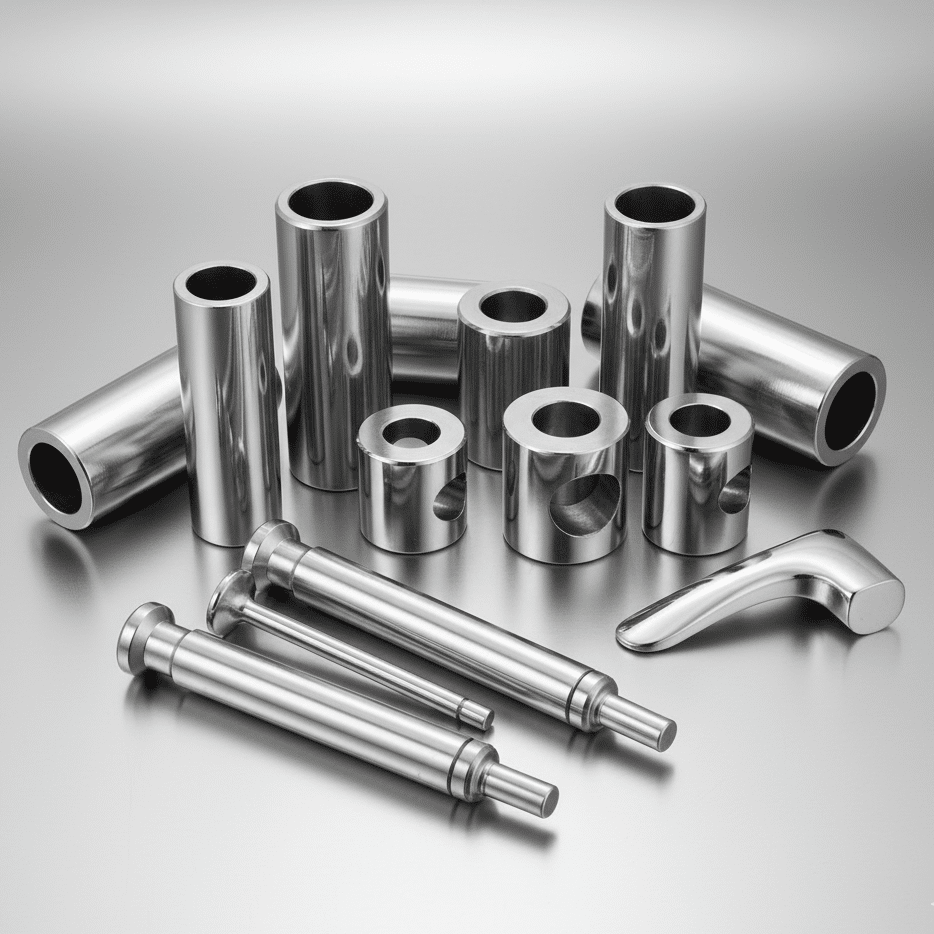
Hard Chrome Plating
Alternative metallic coating View the service → Product
Hard Chrome-Plated Rollers
Components made of technical chrome View product →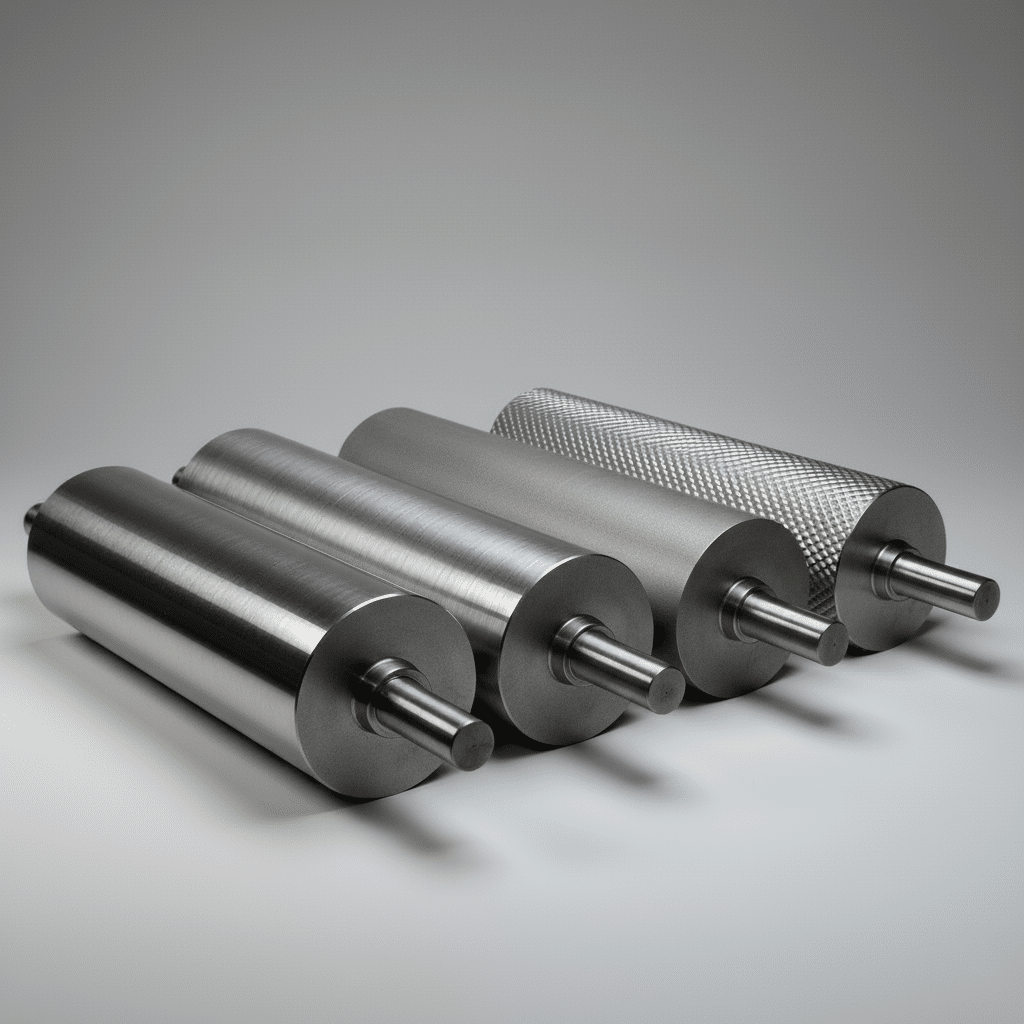 Product
Precision Rollers
New Construction and Refurbishment View product →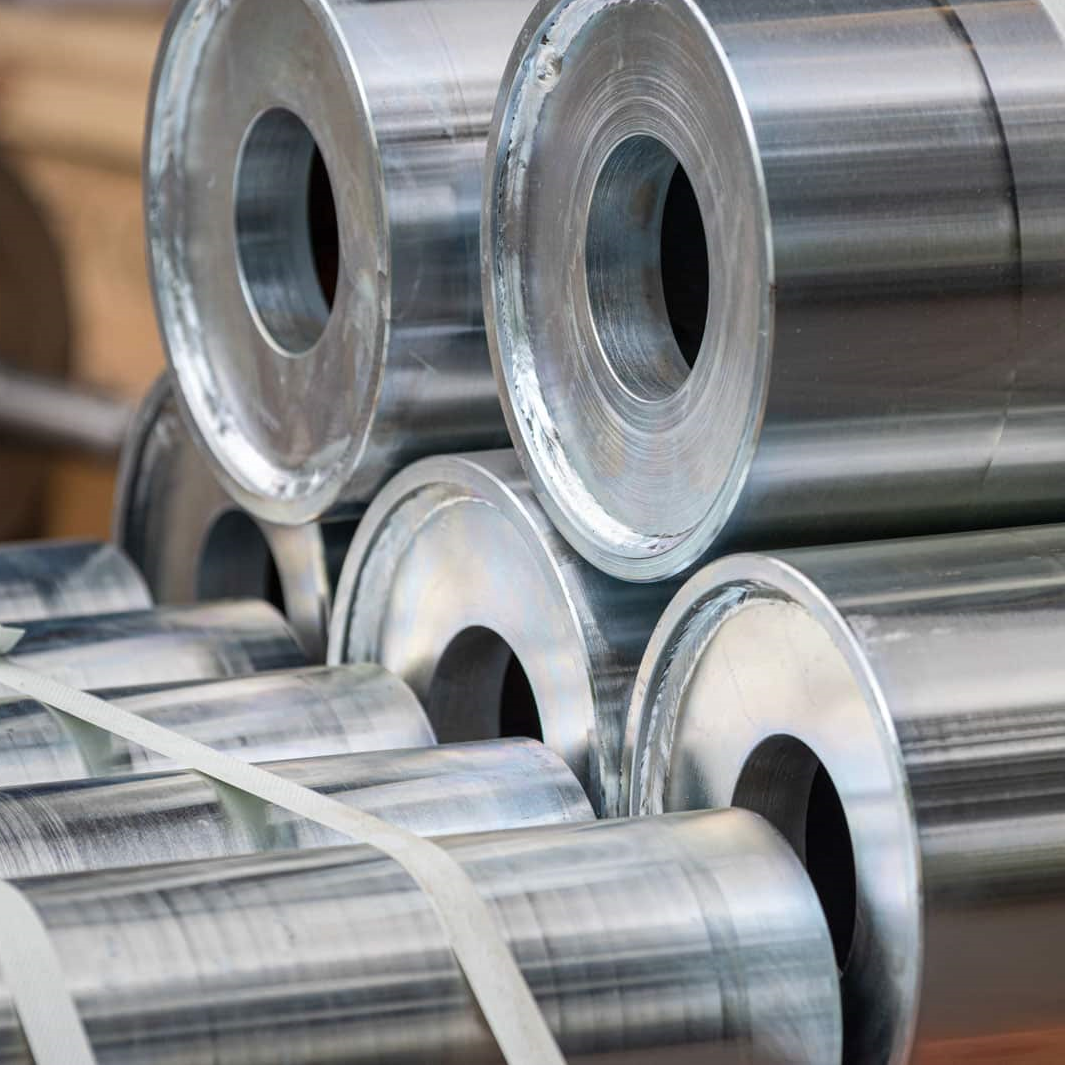 Service
CNC Turning of Parts
Preparation of Rotating Components View the service → Product